-
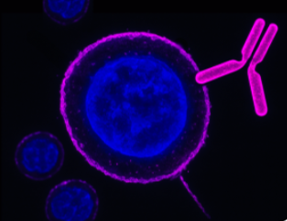
 A Rabbit Polyclonal antibody to Tetraspanin 2 (extracellular)
- Product Code: ANR-188
- Short Description: A Rabbit Polyclonal antibody to Tetraspanin 2 (extracellular)
- Host: Rabbit
- Label: Unconjugated
- Reactivity: Human, Rat, Mouse
- Applications: Indirect flow cytometry, Live cell imaging, Western blot, Immunohistochemistry
- Target: Tetraspan NET-3, TSPAN2
-
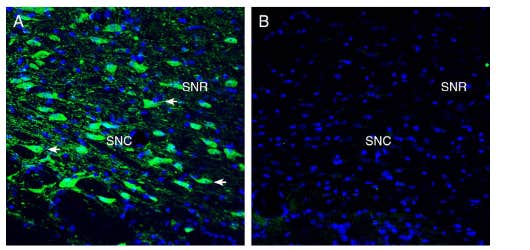 A Rabbit Polyclonal Antibody to Tetraspanin 7 (extracellular)
- Product Code: ANR-187
- Short Description: A Rabbit Polyclonal Antibody to Tetraspanin 7 (extracellular)
- Host: Rabbit
- Label: Unconjugated
- Reactivity: Human, Rat, Mouse
- Applications: Indirect flow cytometry, Live cell imaging, Western blot, Immunohistochemistry
- Target: TSPAN7, Transmembrane 4 Superfamily Member 2, TM4SF2, T-Cell Acute Lymphoblastic Leukemia-Associated Antigen 1, TALLA-1, Cell Surface Glycoprotein A15, A15, CD231.
-
 A Rabbit Polyclonal antibody to Tetraspanin-3 (extracellular)
- Product Code: ANR-185
- Short Description: A Rabbit Polyclonal antibody to Tetraspanin-3 (extracellular)
- Host: Rabbit
- Label: Unconjugated
- Reactivity: Human, Rat, Mouse
- Applications: Indirect flow cytometry, Live cell imaging, Western blot, Immunohistochemistry
- Target: TSPAN3, Transmembrane 4 Superfamily Member 8, TM4SF8
-
 A Rabbit Polyclonal antibody to Robo3 (extracellular)
- Product Code: ANR-183
- Short Description: A Rabbit Polyclonal antibody to Robo3 (extracellular)
- Host: Rabbit
- Label: Unconjugated
- Reactivity: Human, Rat, Mouse
- Applications: Indirect flow cytometry, Live cell imaging, Western blot, Immunohistochemistry
- Target: Roundabout Homolog 3, Roundabout Guidance Receptor 3, Retinoblastoma-inhibiting gene 1 protein, RIG1
-
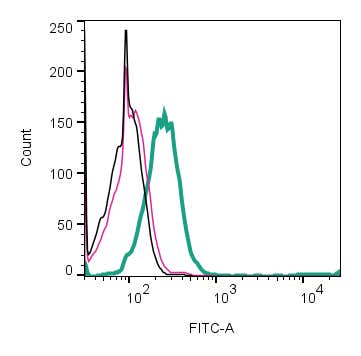 A Rabbit Polyclonal Antibody to Robo2
- Product Code: ANR-182
- Short Description: A Rabbit Polyclonal Antibody to Robo2
- Host: Rabbit
- Label: Unconjugated
- Reactivity: Human, Rat, Mouse
- Applications: Indirect flow cytometry, Western blot
- Target: Roundabout homolog 2, Roundabout Guidance Receptor 2
-
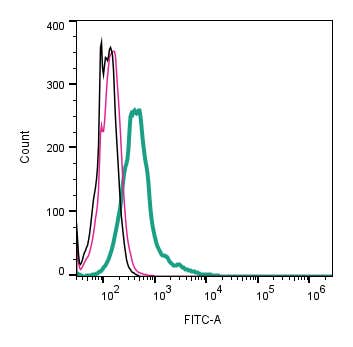 A Rabbit Polyclonal Antibody to Robo1 (extracellular) conjugated to the fluorescent dye FITC
- Product Code: ANR-181-F
- Short Description: A Rabbit Polyclonal Antibody to Robo1 (extracellular) conjugated to the fluorescent dye FITC
- Host: Rabbit
- Label: FITC
- Reactivity: Human, Rat, Mouse
- Applications: Live cell imaging, Flow cytometry
- Target: Roundabout Guidance Receptor 1, Roundabout Homolog 1, Deleted In U Twenty Twenty, DUTT1
-
 A Rabbit Polyclonal Antibody to Robo1
- Product Code: ANR-181
- Short Description: A Rabbit Polyclonal Antibody to Robo1
- Host: Rabbit
- Label: Unconjugated
- Reactivity: Human, Rat, Mouse
- Applications: Indirect flow cytometry, Live cell imaging, Western blot, Immunofluorescence, Immunohistochemistry
- Target: Roundabout Guidance Receptor 1, Roundabout Homolog 1, Deleted In U Twenty Twenty, DUTT1
-
 A Rabbit Polyclonal antibody to TMEM106B (extracellular)
- Product Code: ANR-177
- Short Description: A Rabbit Polyclonal antibody to TMEM106B (extracellular)
- Host: Rabbit
- Label: Unconjugated
- Reactivity: Human, Rat, Mouse
- Applications: Indirect flow cytometry, Live cell imaging, Western blot, Immunohistochemistry
- Target: Transmembrane Protein 106B
-
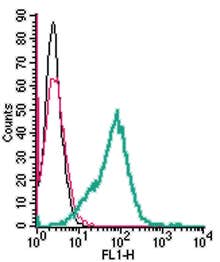 A Rabbit Polyclonal Antibody to RAGE
- Product Code: ANR-176
- Short Description: A Rabbit Polyclonal Antibody to RAGE
- Host: Rabbit
- Label: Unconjugated
- Reactivity: Human, Rat, Mouse
- Applications: Indirect flow cytometry, Western blot
- Target: Advanced Glycosylation End Product-Specific Receptor, AGER, Receptor For Advanced Glycosylation End Products, SCARJ1
-
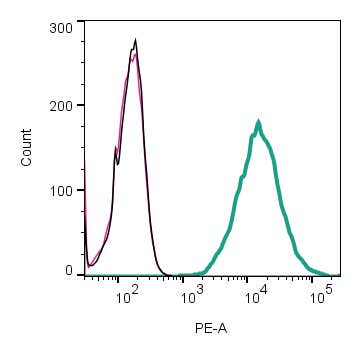 A Rabbit Polyclonal Antibody to TMEM119 conjugatd to R-Phycoerythrin (R-PE) fluorophore
- Product Code: ANR-175-PE
- Short Description: A Rabbit Polyclonal Antibody to TMEM119 conjugatd to R-Phycoerythrin (R-PE) fluorophore
- Host: Rabbit
- Label: R-PE
- Reactivity: Rat, Mouse
- Applications: Live cell imaging, Flow cytometry
- Target: Transmembrane Protein 119, Osteoblast induction factor, OBIF
Loading...