

Blogs
The Seizures Were There the Whole Time
Mice from a pain research model used since 2001 seize under experimental stress.
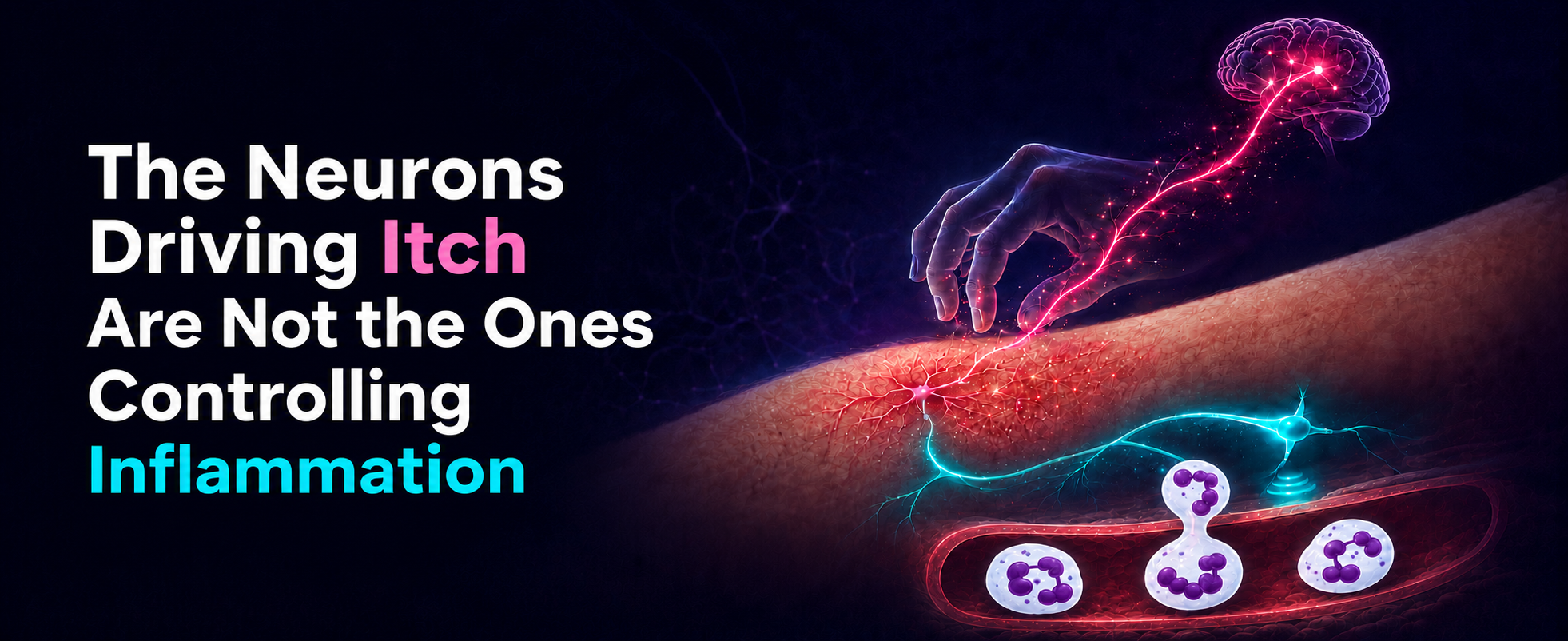
The Neurons Driving Itch Are Not the Ones Controlling Inflammation
In allergic contact dermatitis, itch and skin inflammation usually get lumped together as two faces of one problem: the skin is inflamed and itchy, the person scratches it, the scratching makes it worse.
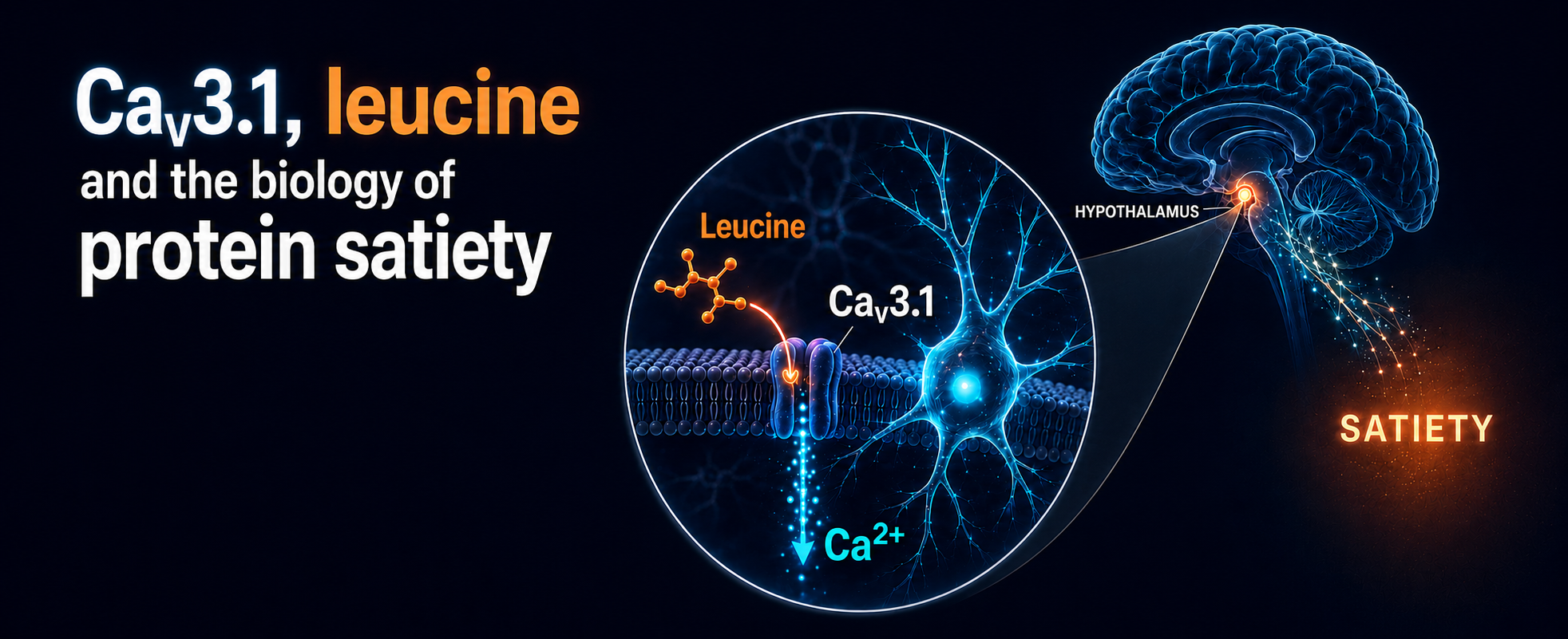
A Voltage-gated Calcium Channel Doubles as the Brain's Protein Satiety Sensor
A high-protein meal suppresses appetite, and part of the reason is tucked away in your hypothalamus, where neurons read circulating amino acid levels and adjust degrees of hunger accordingly.
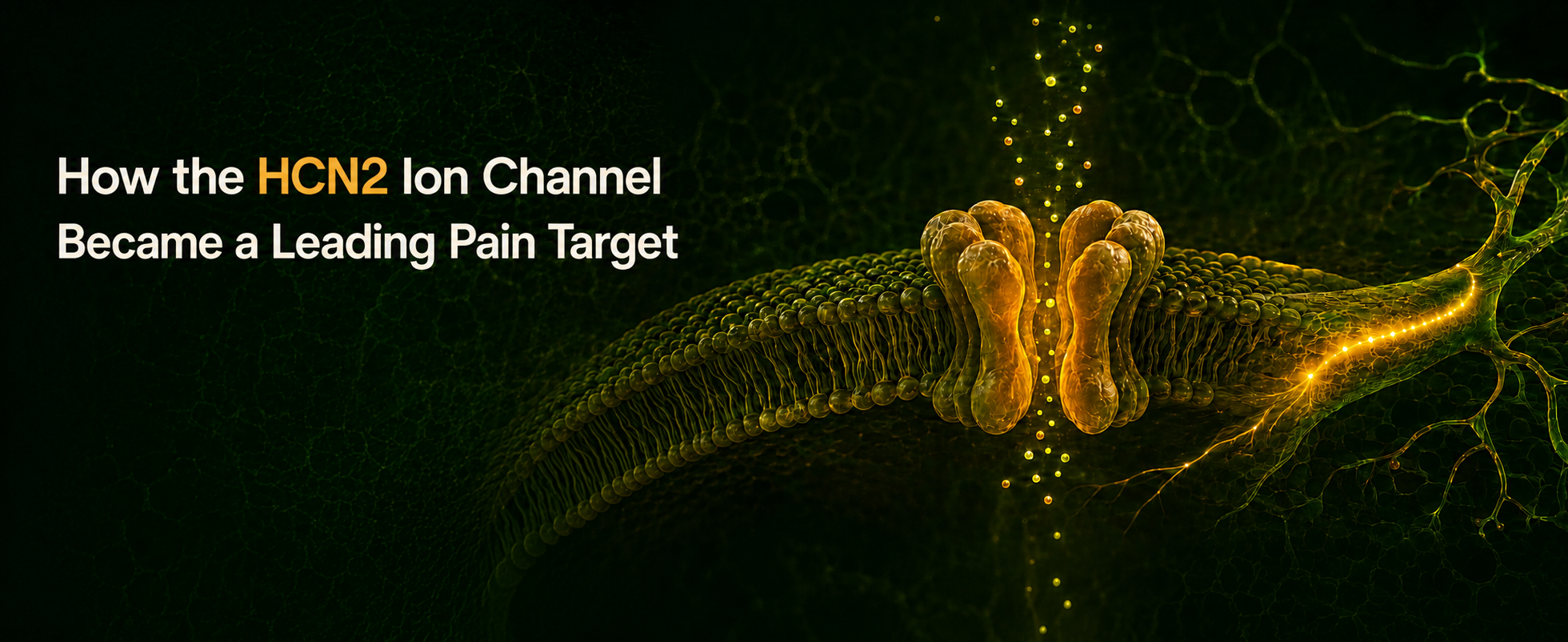
The Undervalued Channel: How the HCN2 Ion Channel Became a Leading Pain Target
For decades, the hyperpolarization-activated inward current (Ih) was the pain current neuroscientists didn't talk about.
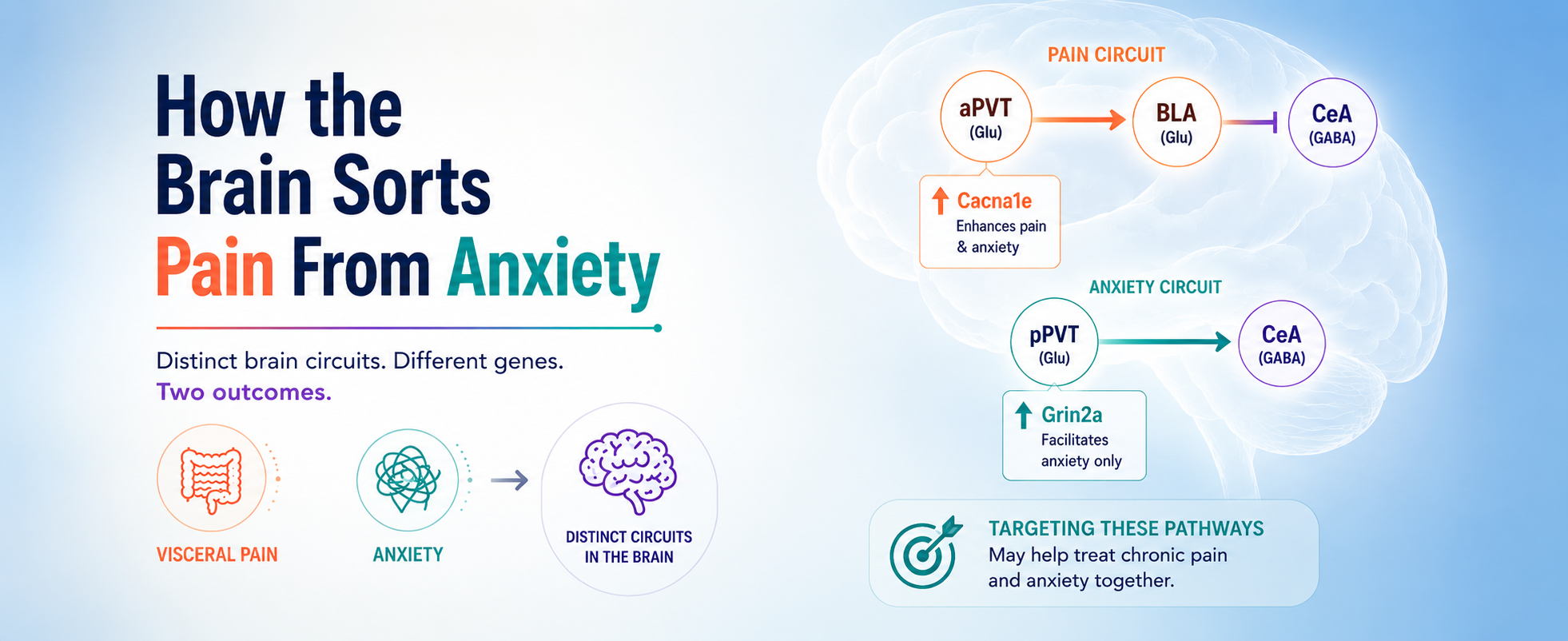
How the Brain Sorts Pain from Anxiety
Roughly 60% of people with irritable bowel syndrome (IBS) also live with an anxiety disorder.
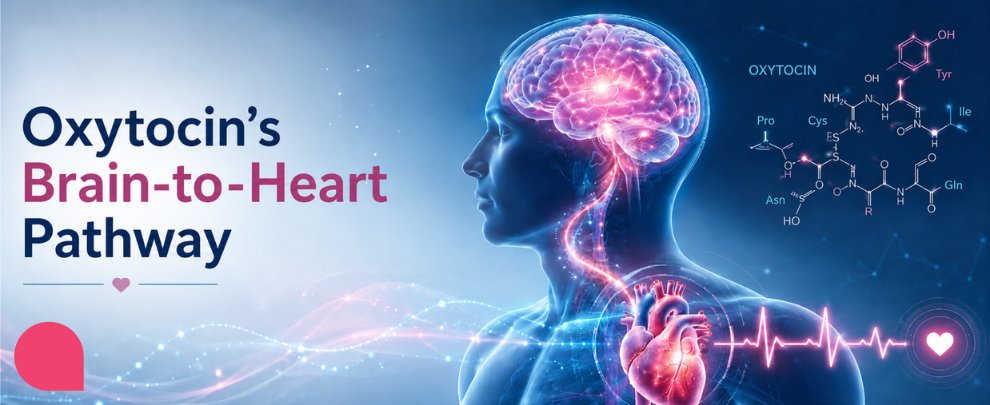
Your Heart Knows You've Calmed Down Before You Do
How oxytocin (OT) fits into a dedicated circuit, which calms your heart down after stress.
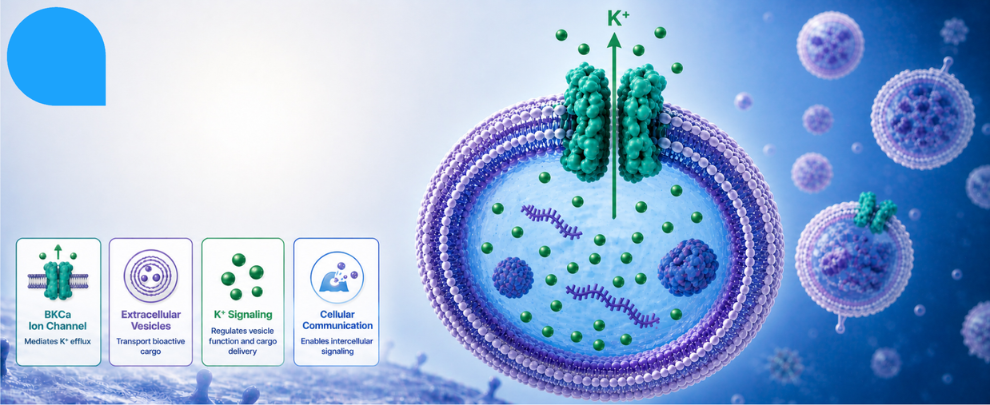
The Tiny Couriers That Check Their Own Plumbing
Extracellular vesicles (EVs) are nanoscale membrane bubbles, ranging from 40 to 1000 nm across, that carry proteins, metabolites, lipids, and RNA between cells.
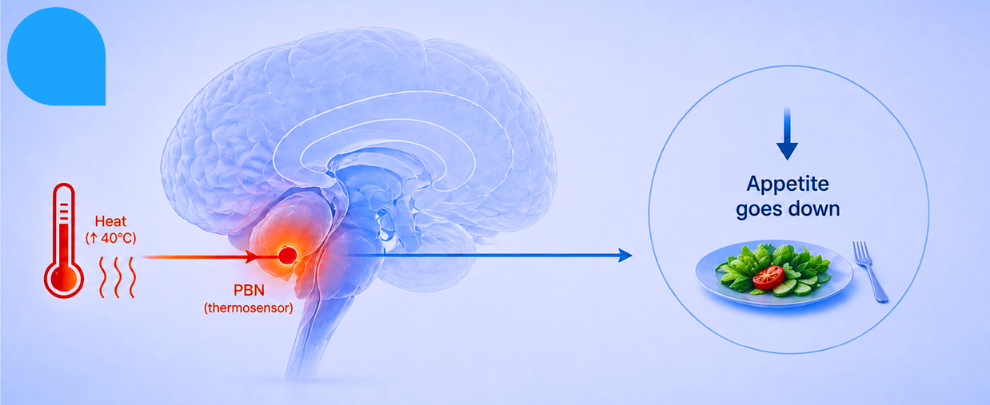
Hot and Not Hungry: The Brain Circuit That Makes You Eat Less in Summer
You probably already knew this – you've noticed it yourself: it’s 35oC outside, you've been on the bus for twenty minutes, you finally get home...
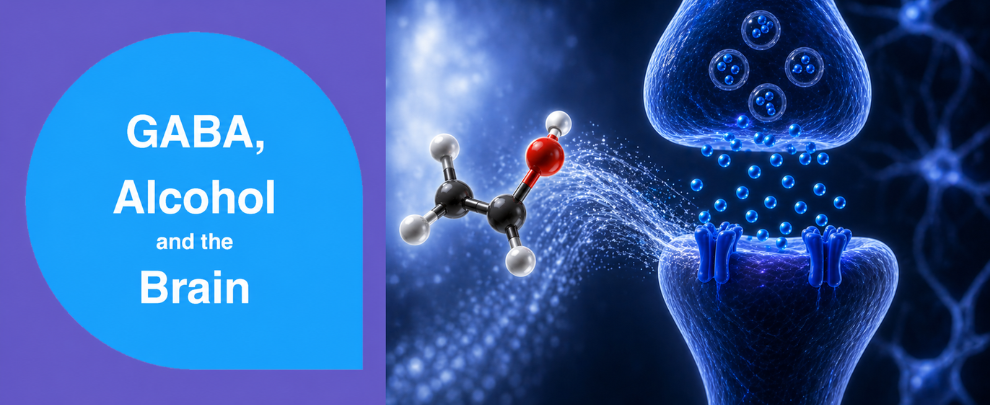
Gamma-aminobutyric acid (GABA)-mediated Effects of Alcohol on the Brain
And how TMEM132B, a single-pass transmembrane protein with no previously characterized function in neurons, revealed more than we expected.
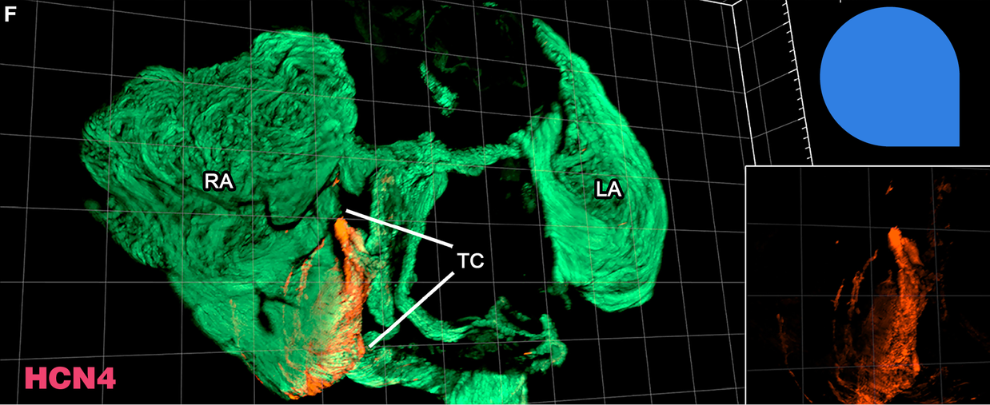
HyPer-3D: A Simple Way to Drastically Improve Signal-to-Background Ratios (SBRs)
Interrogation of cleared organs often produce misleading results – here’s how to correct it.
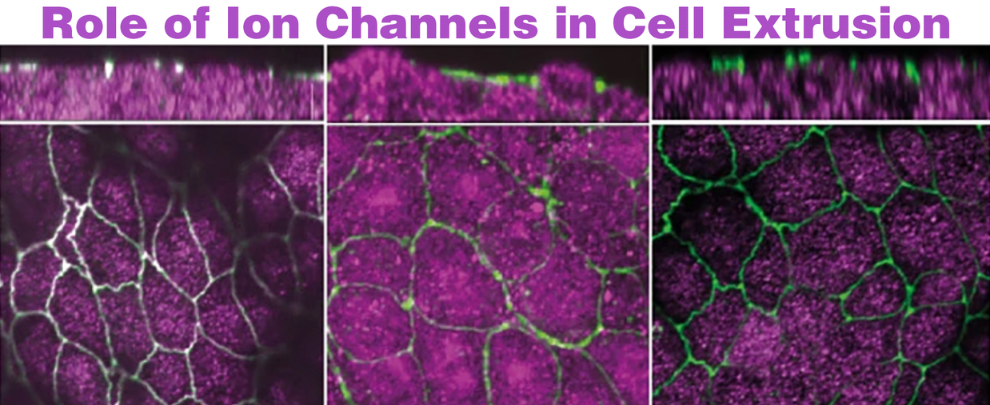
The Role of Ion Channels and ATP in Cell Extrusion
Cell extrusion is essential for maintaining tissue integrity and function. In epithelial layers, where cells are tightly packed and constantly renewing...
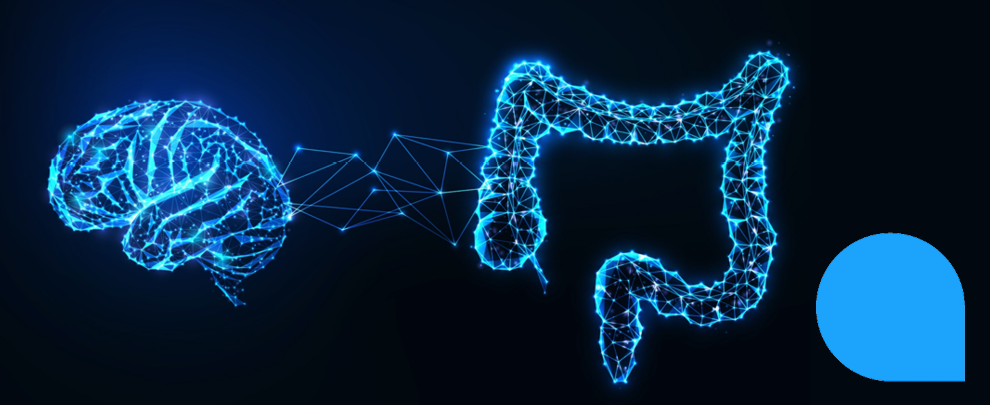
The Gut’s Hidden Dimmer Switch: Macrophage P2Y12 Receptors and the Regulation of Enteric Nervous System Activity
There’s a long-standing tension in enteric nervous system (ENS) biology between what genes say and what neurons do.
A Neuropeptide from Pain Pathways Blocks SARS-CoV-2 in Bronchial Cells
The pandemic forced researchers to reassess our current understanding of lung and respiratory biology, which highlighted a neuropeptide better known for its role in migraines.
A Pericyte Channel That Links Neuronal Activity to Capillary Blood Flow
The brain must continuously adjust blood flow to match neuronal activity.
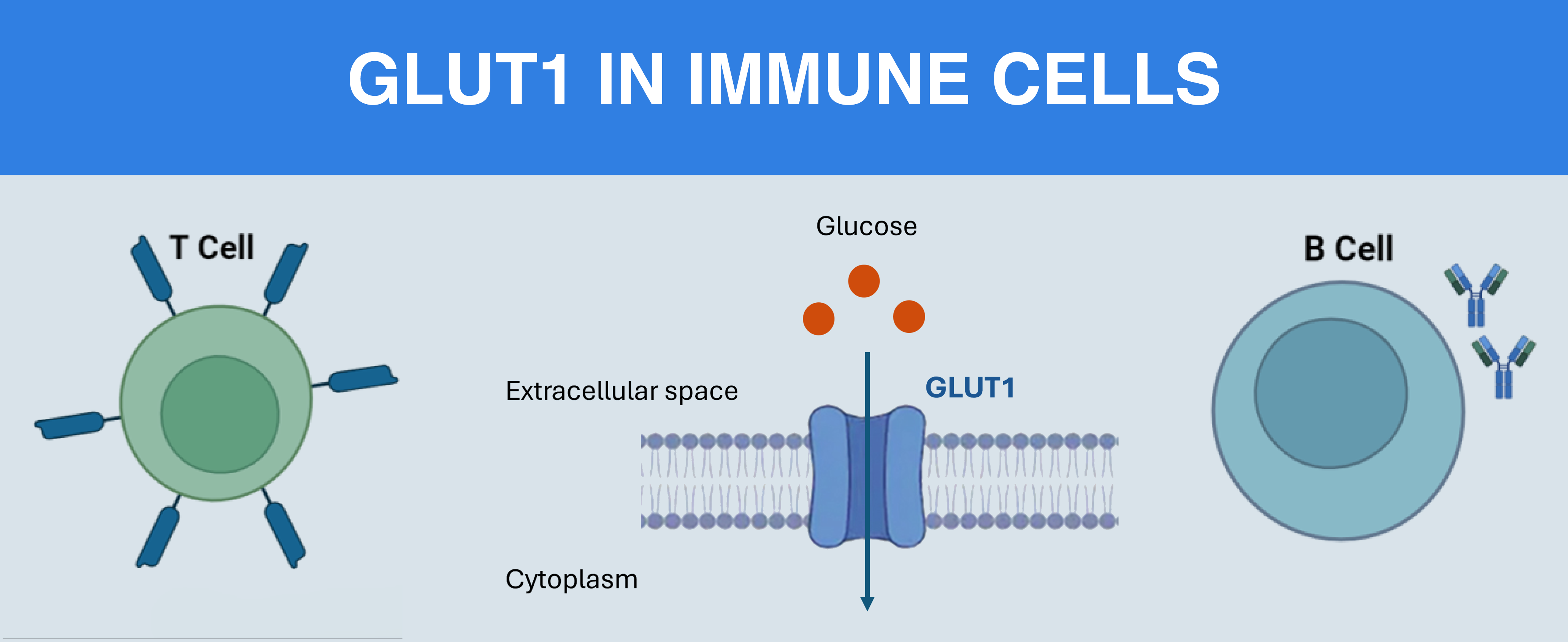
Glucose Transporter 1 (GLUT1) Surface Expression Sets the Output of Adaptive Immunity
GLUT1, encoded by the SLC2A1 gene, is a membrane protein responsible for the facilitated diffusion of glucose across the plasma membrane.
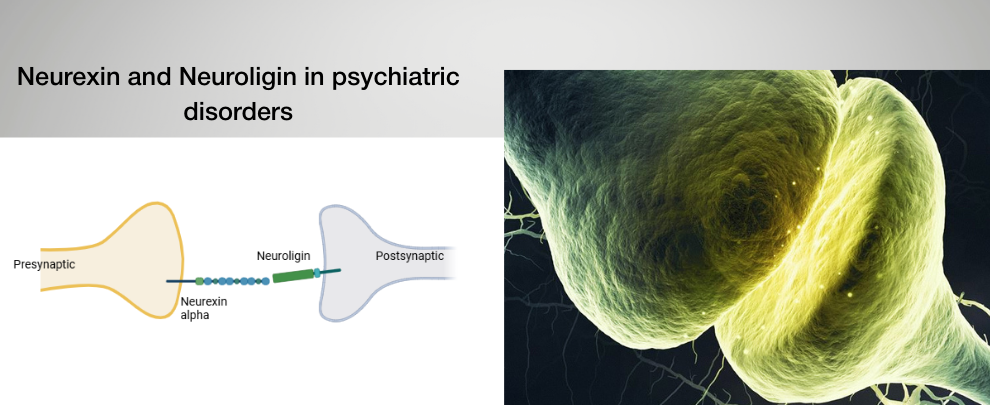
Neurexin-Neuroligin Signaling Disruption Across the Synapse
A look at pre- and postsynaptic molecular markers in neurodevelopmental and psychiatric disorders.
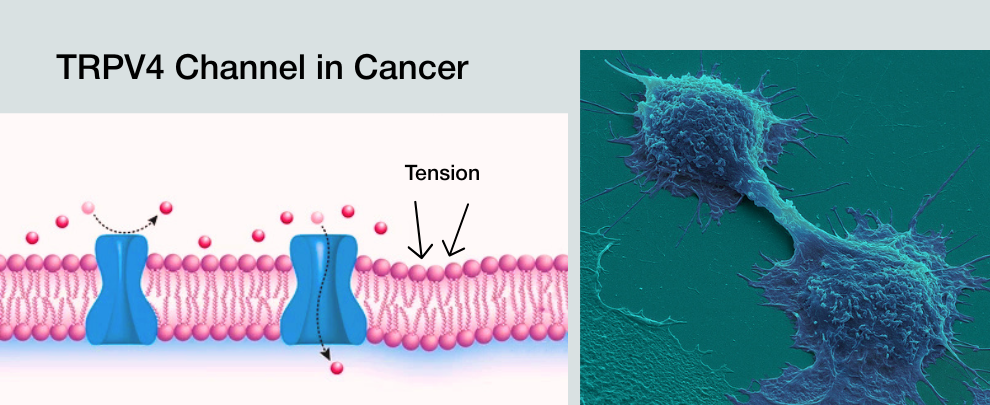
TRPV4 Converts Physical Stress Into Cancer Behavior…but Only in a Specific Context
Ion channels play central roles in cancer by regulating processes essential for tumor initiation and progression.
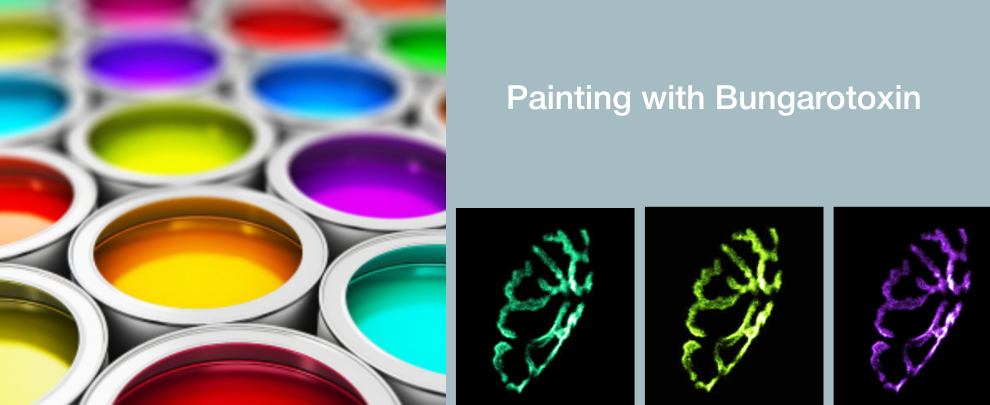
Taking the Toxin out of Bungarotoxin
How fluorescently conjugated α-bungarotoxin (BTX) is being used as a precise neuromuscular junction (NMJ) marker, without blocking synaptic function.
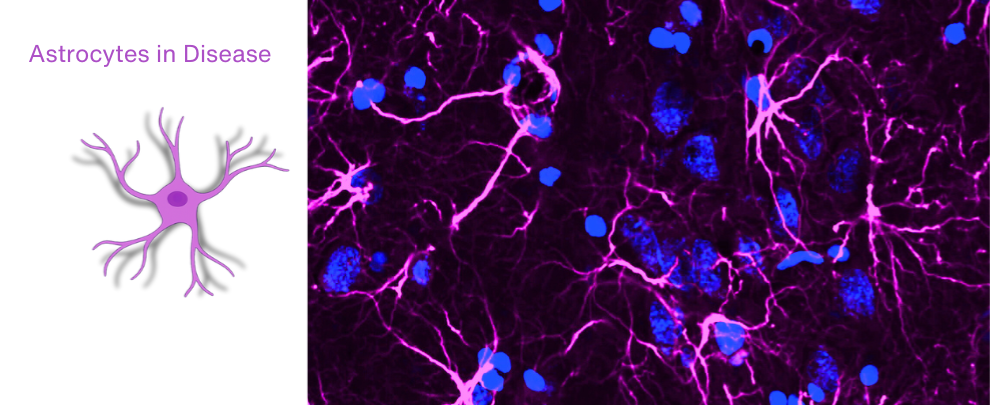
Astrocytes can Drive or Restrain Pathology Depending on the Receptor They Engage
Disease outcomes diverge when astrocytes activate distinct G-protein coupled receptors (GPCR)-defined signaling pathways with opposing effects on neuronal excitability.
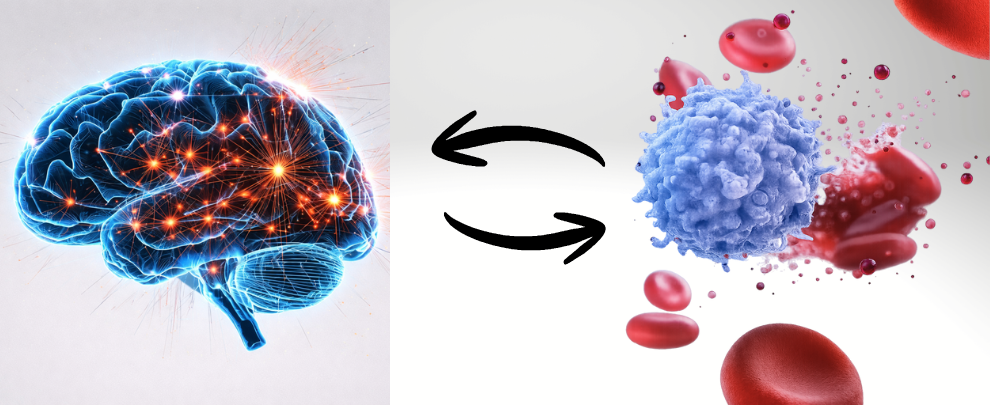
How Peripheral Cells Actively Control Brain Plasticity and Humoral Responses
Platelets and sensory neurons emerge as decision-makers in neuro-immune control.
How Mitochondria-Rich Stem Cells Keep Working Long After the Rest Fade
Aging is widely assumed to erode hematopoietic stem cell (HSC) performance across the board.
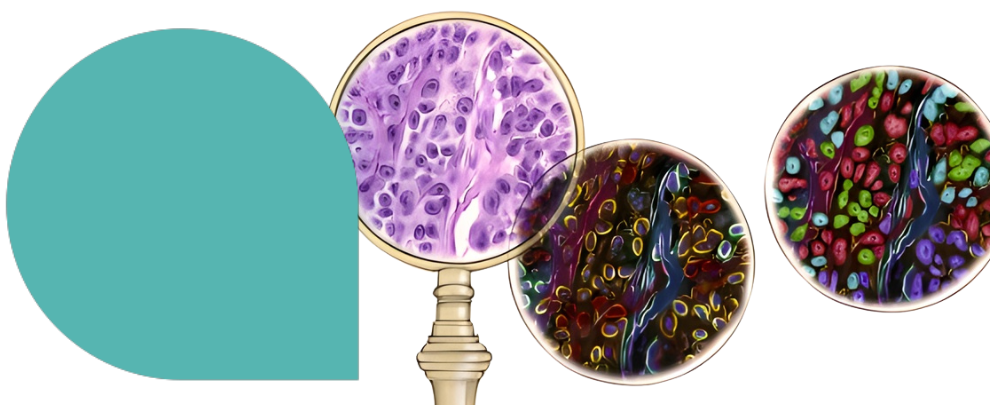
Spatial Proteomics Needs Spatial Thinking
Imaging mass cytometry and when biology stops being linear

Resiniferatoxin: the Hottest Chemical You’re Not Using
Deleting neurons and treating pain like a molecular scalpel – resiniferatoxin (RTX) is something you should definitely be looking at.

When Membranes Started Making the Big Decisions
In 2025, the cell surface became the place where decisions were made.
Touch: Where Physics Becomes Perception
Every sensory system begins with a conversion – light into voltage, vibration into current, chemicals into ion flux.
The Lights of Vision: Membrane Proteins Behind the Spark of Sight
Vision begins with light - photons striking the retina - but the work of seeing is attributed to membrane proteins.

How Taste Adapts: Diet, Sensory Feedback, and Immune Memory Reshape Flavor Processing
From sweet receptor cell turnover to insula-driven immune recall, new studies show the taste system is dynamically tuned by experience and internal state.
Timing Is Everything: What Hearing Science Reveals About Precision, Protection, and Repair
From the crack of a twig to the roll of a vowel, your brain decodes sound timing with millisecond precision.
Smell Under Pressure: What the Nose Reveals About the Brain
Olfaction is often dismissed as a second-tier sense. It’s visceral, fleeting, hard to describe, and easy to ignore.
Neural Stem Cells Found Outside the Brain
Neural stem cells aren’t just in the brain and spinal cord.
Antibody Panels Are Essential to Identify Microglia Across States and Contexts
Single-marker antibody labeling might seem convenient, but it rarely provides a clear read on microglia.
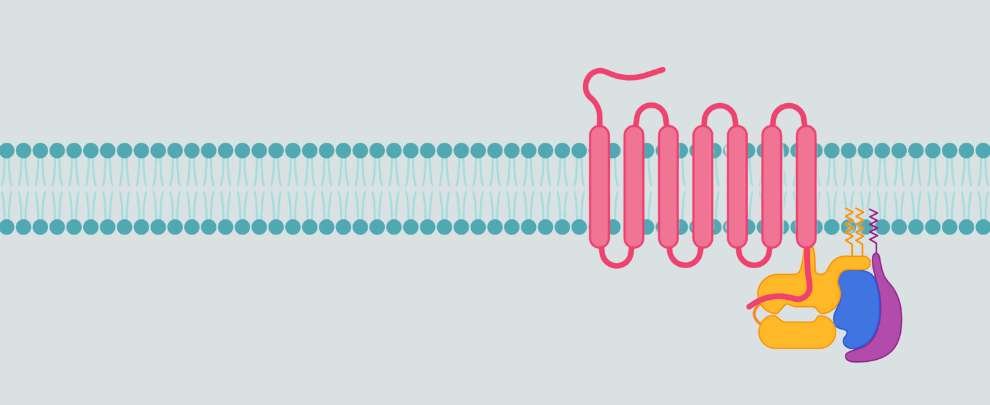
Orphan GPCRs Re-emerge as CNS Targets
Orphan G protein-coupled receptors (GPCRs) are a subset of the GPCR superfamily with no identified endogenous ligands.
Making Sure Microglia Are Microglia
Microglial dysfunction is a factor in neurological disorders such as schizophrenia and Alzheimer’s disease (AD).
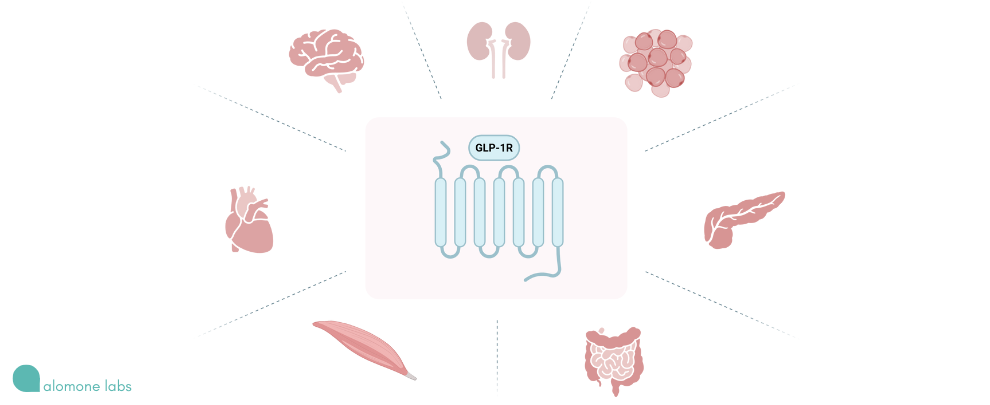
Glucagon-like Peptide-1 Receptor (GLP-1R): From Glycemic Control to Immune Modulation
GLP-1R agonists such as semaglutide (Ozempic), liraglutide (Victoza), and dulaglutide (Trulicity) are best known for enhancing insulin secretion and reducing glucagon levels in a glucose-dependent manner.
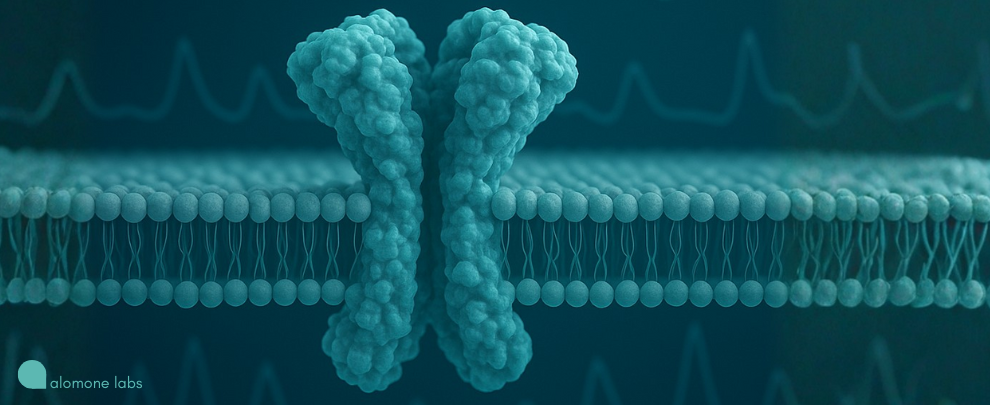
Ion Channel Drug Development Lags Behind G Protein-Coupled Receptors (GPCRs) – That Needs to Change
Ion channel drug development remains vastly underrepresented, even though ion channels are critical in diseases ranging from chronic pain and epilepsy to glioblastoma and autoimmune syndromes.
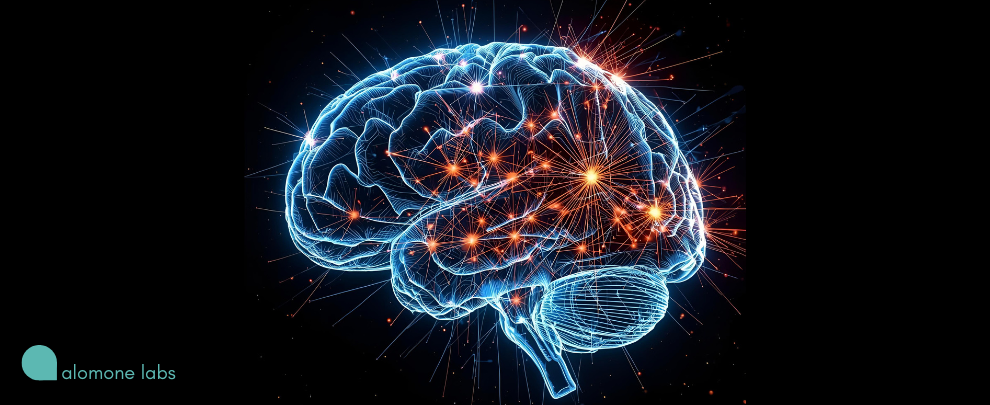
Antibody-Based Biomarkers for Neurological Disorders: Key Proteins and Detection Methods
Antibody-based detection remains central to characterizing neurological disease pathology.
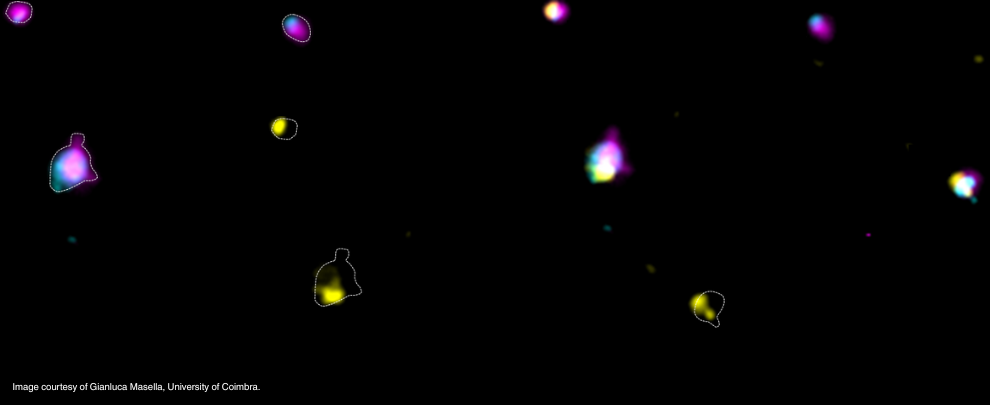
NT3-TrkC Signaling Suppresses Fear by Shifting NMDA Receptor Subunits and Dampening Amygdala Potentiation
Losing the fear response, or fear extinction, depends on synaptic weakening in the lateral amygdala.
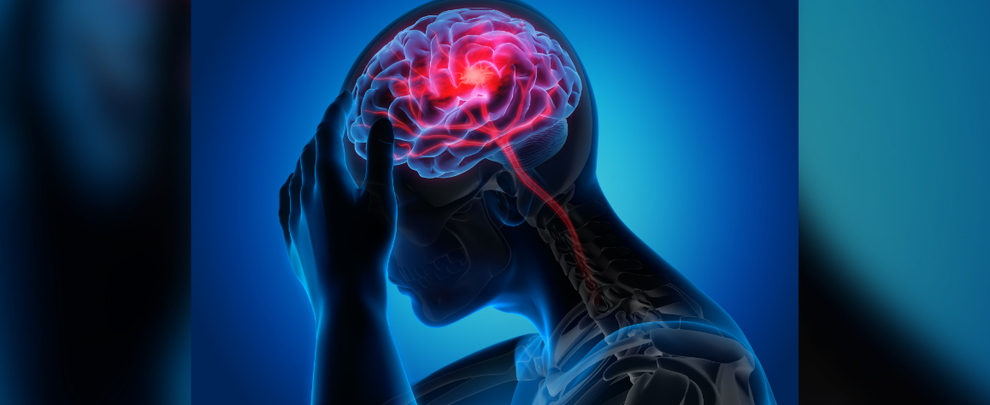
Mapping Pain: Multiplex Antibody Tools to Track TRPV1 and Beyond
Transient receptor potential vanilloid 1 (TRPV1), a heat- and capsaicin-activated ion channel, drives nociceptor sensitization and chronic pain.
Ant Toxins with Subtype Precision
New reagents for NaV channel modulation.
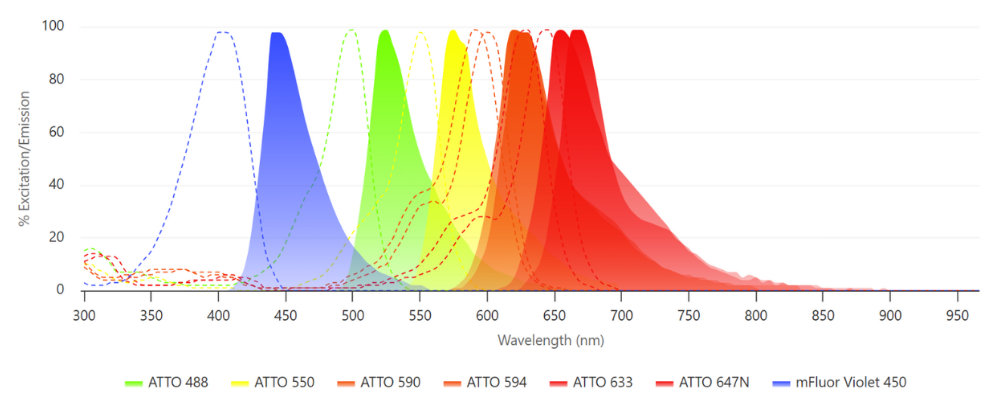
Illuminating Biology: Alomone Labs’ Fluorophore-Conjugated Antibodies Span the Visible Spectrum
Directly conjugated primary antibodies reduce background, save time, and simplify multiplex assays in imaging and flow cytometry.

You Did Everything Right in the Lab. So Why Did It Fail?
Normalizing failure and encouraging better documentation.
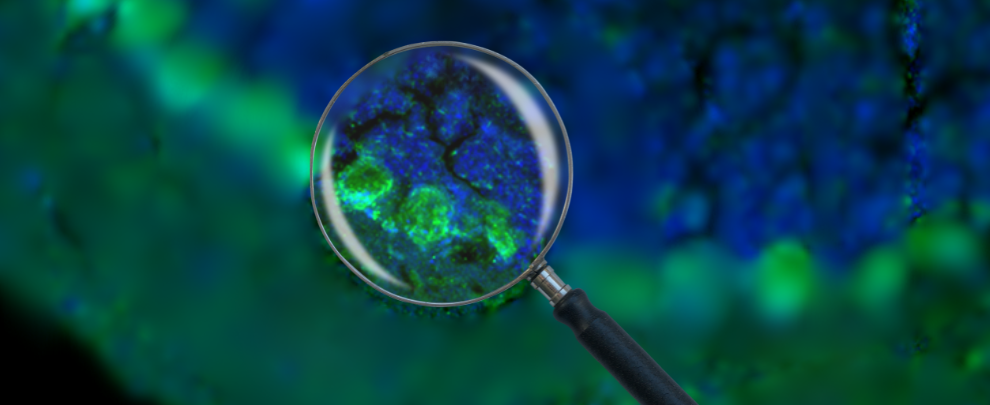
Getting Ion Channel Immunostaining Right
Immunocytochemistry (ICC) and immunohistochemistry (IHC) with ion channels require attention to detail.
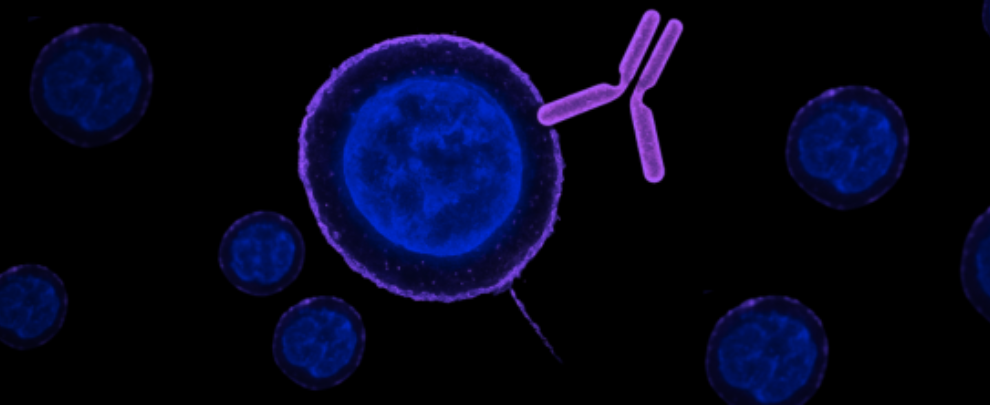
Cell Surface-Binding Antibodies Part 5: Multiplex Flow Cytometry – See More from Fewer Cells
So far, we have looked at live tracking, targeted delivery, quantum dot dynamics, and in vivo biology.
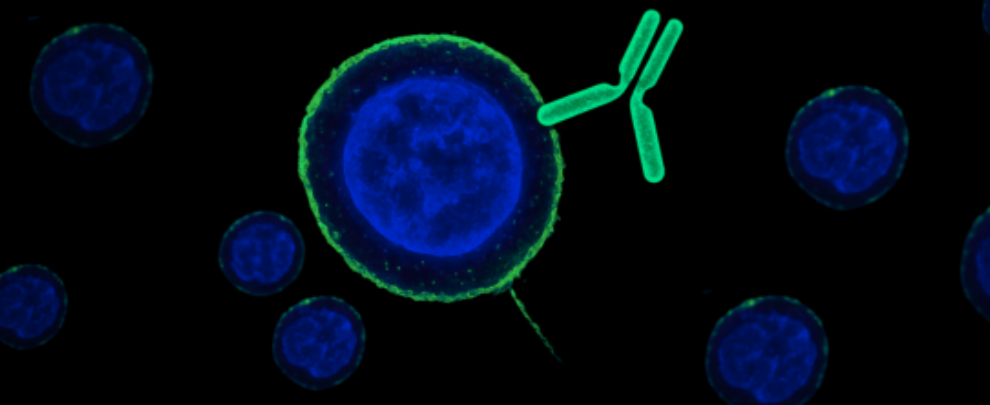
Cell Surface-Binding Antibodies Part 4: Following Biology in Complex Systems
What happens when you follow receptors and ion channels without disrupting the system they live in?
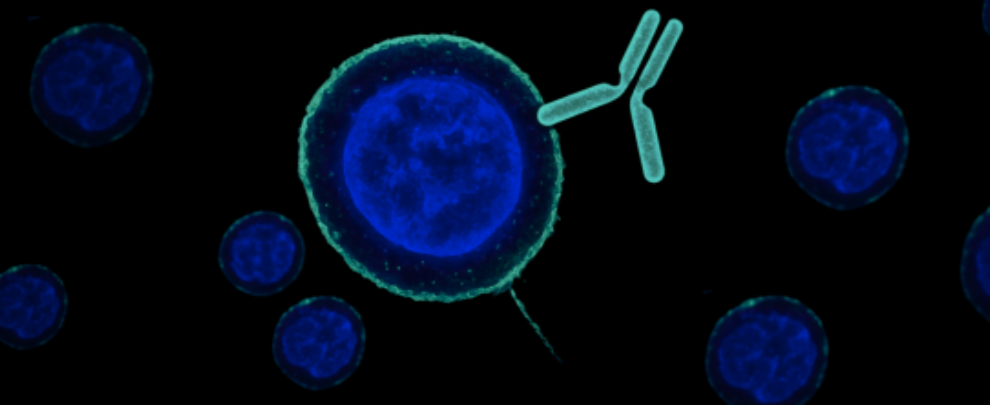
Cell Surface-Binding Antibodies Part 3: Tracking Live Receptors with Quantum Dots
Following NMDA receptor subtypes in live neurons.
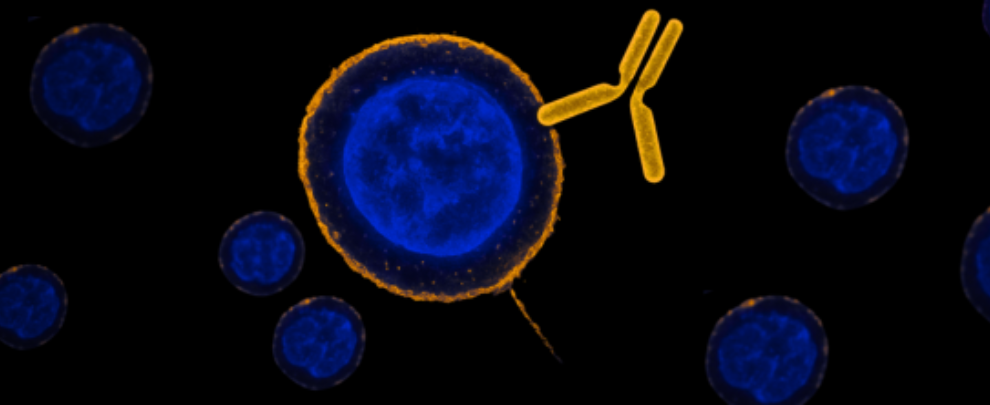
Cell Surface-Binding Antibodies Part 2: Aim, Bind, Deliver – Targeted Entry without Killing the Cell
Non-lethal targeted cell delivery using gold nanoparticles.
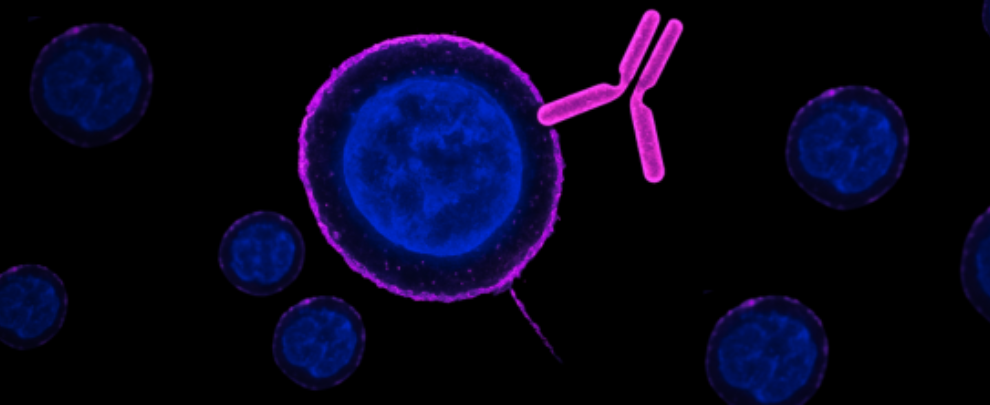
Cell Surface-Binding Antibodies Part 1: Target the Surface, Stay Out of the Cell
How cell surface-binding antibodies reveal real-time ion channel trafficking.

More Research Options with Guinea Pig Antibodies
Guinea pig antibodies offer unique benefits that make them valuable tools in research.
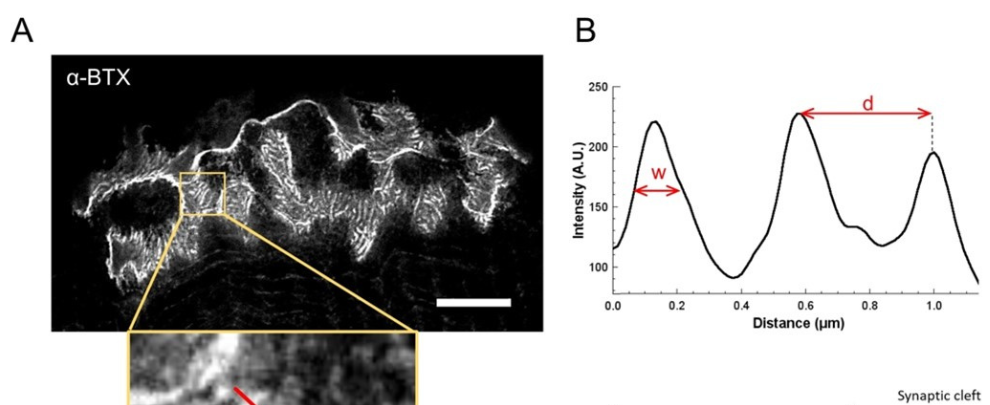
A Better Way to Characterize the NMJ
Accurate and reproducible neuromuscular junction (NMJ) imaging is notoriously difficult.
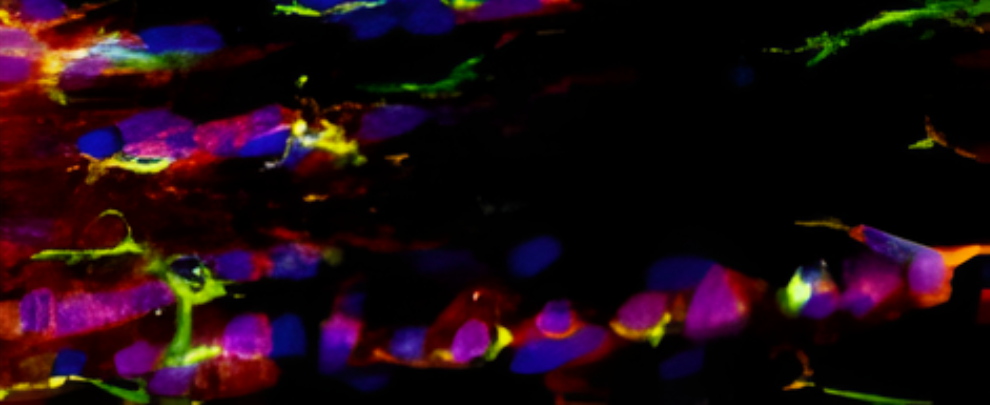
P2X7R and Neuroprotection
Identifying new treatments for neurodegenerative disease, particularly those relating to motor neurons, is a major focus and a serious challenge for a lot of
scientists.
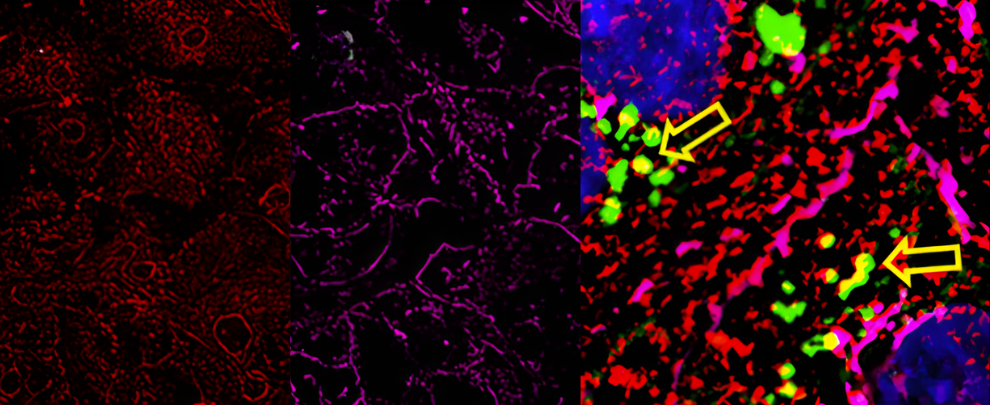
Electrical Extracellular Vesicles
Functional ion channel confirmed in extracellular vesicles – no longer just passive messengers.
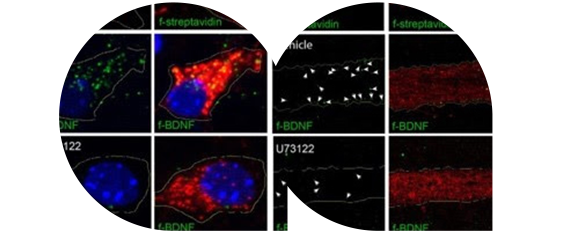
Tracking BDNF’s Long-Distance Signal
Brain-derived neurotrophic factor (BDNF) has an impressive number of roles to play – it’s needed for synaptic plasticity, dendritic growth, and neuronal survival.
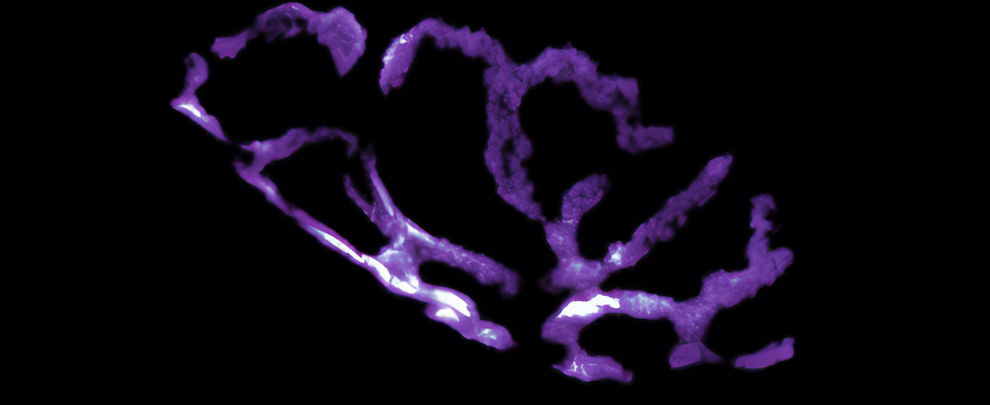
Lighting Up the Neuromuscular Junction and How a Snake Toxin Helped Understand ALS
What if a tool borrowed from venomous snakes could give us a heap of new insight into a devastating disease?

Stress, Pregnancy, and Extracellular Vesicles: A Direct Line of Communication
How mother-fetus crosstalk across the placenta is critical for pregnancy and development.
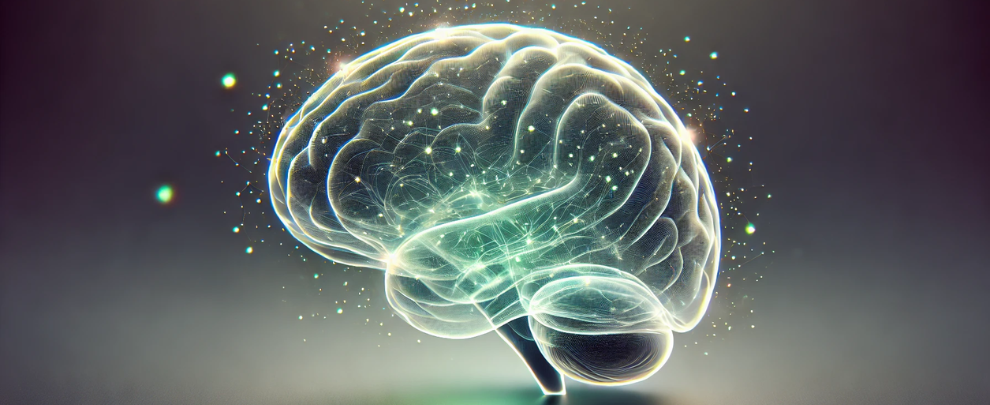
INSIHGT: A Smarter Take on 3D Immunohistology
In situ host-guest chemistry for three-dimensional histology, or more simply, INSIHGT.

Venom Toxins, pH, and Synaptic Homeostasis
A potential synaptic mechanism to maintain muscle function during periods of increased activity.

A Clearer Window to the Beating Heart
Intravital imaging and extracellular domain antibodies to peer into the heart
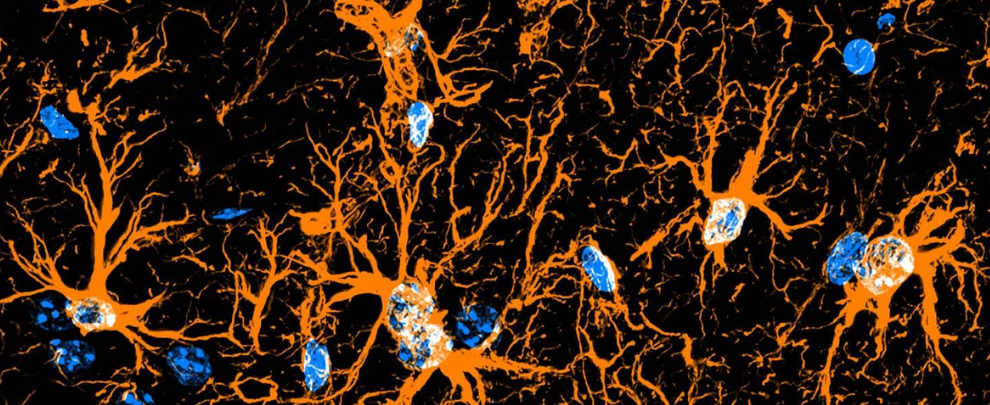
ALS and Astrocytes - A Potassium Problem
Astrocytes often get overlooked in discussions on amyotrophic lateral sclerosis (ALS).

Surfacing a Solution: Extracellular-Domain Mutations as New Cancer Targets
Using antibodies against cell surface antigen to zero in for focused cancer therapy.
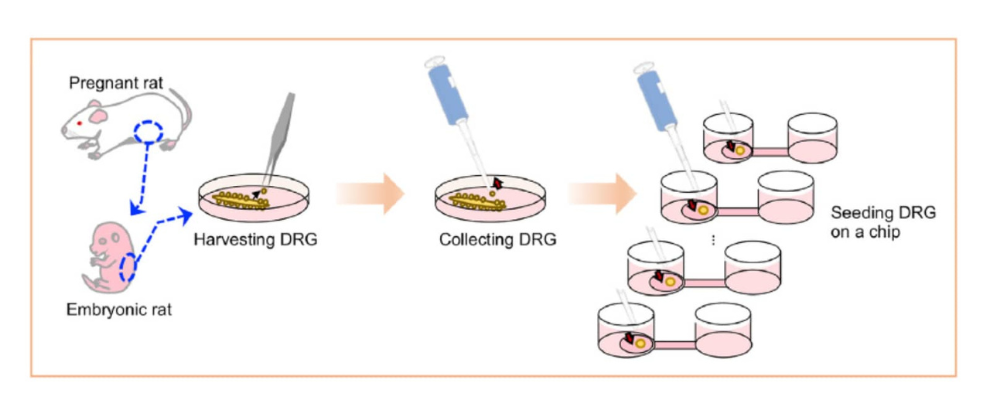
A New Ex Vivo Model for Peripheral Sensory Nerves: Research in Brief
A team from Japan just published a new 3D organotypic model of peripheral sensory nerves, and it’s impressive.
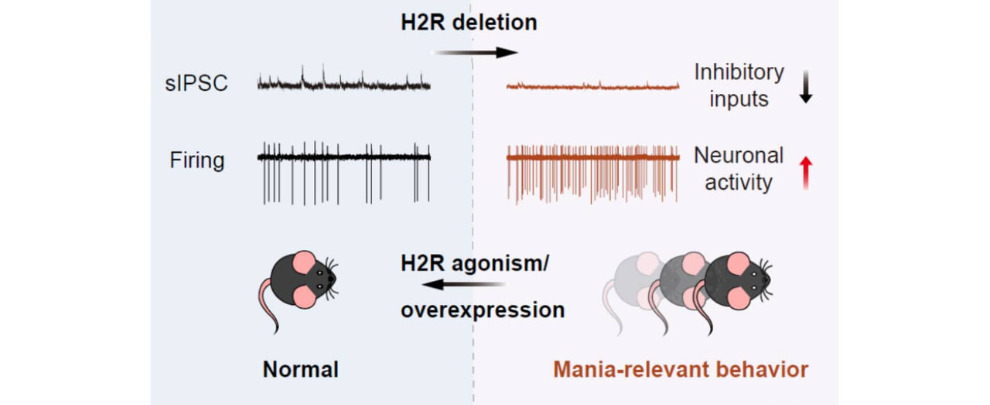
Dopamine, Histamine, and Mania: Research in Brief
Using a histamine receptor antibody to understand mania in a mouse model.

Nerve Growth Factor Origins: Chick Embryos, Snake Venom, and a Nobel Prize
We’ve all added nerve growth factor (NGF) to our neuronal cell cultures – perhaps with a silent plea to “Please just differentiate properly!” – but how much do you actually know about NGF?
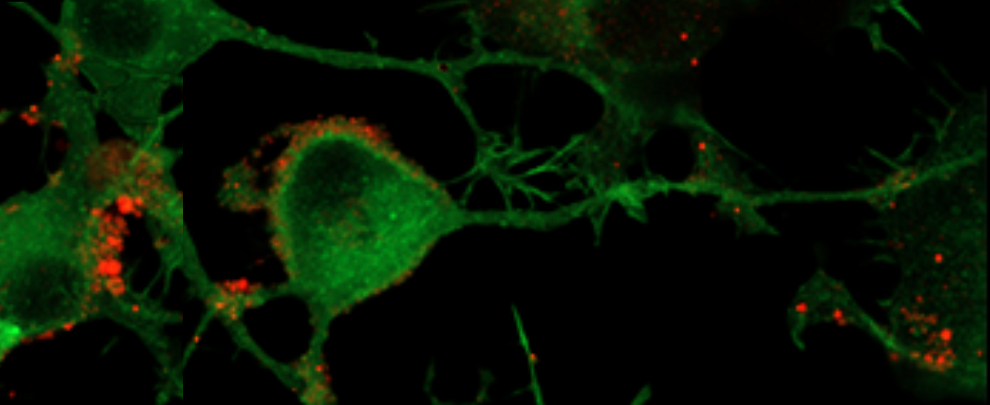
Live Cell Imaging of AMPA Receptor with BBS and α-Bungarotoxin
If you want to understand a protein you need to be able to visualize it, which means you need to label it.
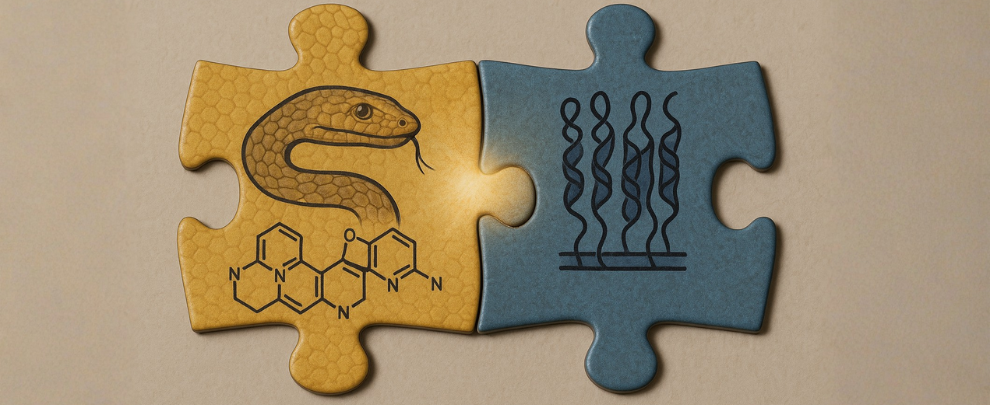
Advantages of the Bungarotoxin Binding Site for Studying Live Membrane Protein Dynamics
A surprising approach to studying membrane receptors trafficking and mobility.
Local Protein Synthesis Changes Cause Neurodegeneration in ALS
TDP-43 accumulation disrupts local protein synthesis in axons and NMJs, which reduces axonal and synaptic levels of mitochondrial proteins and sensitizes NMJs to rapid degeneration.
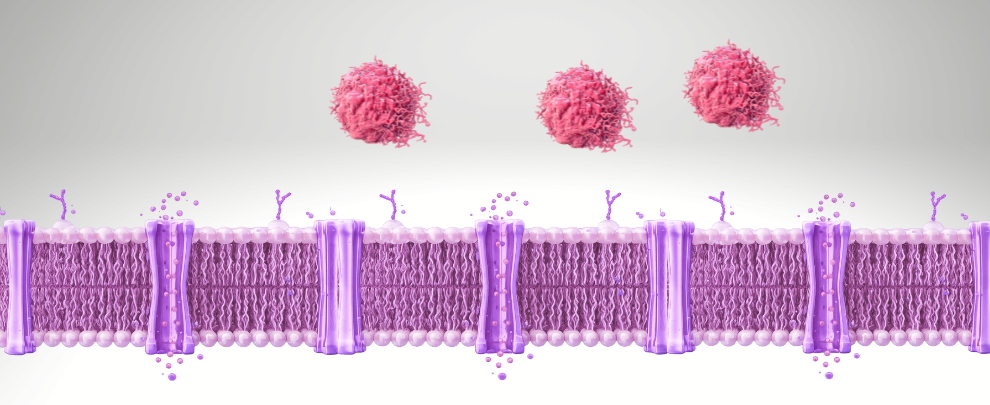
Transporters and Cancer
Cancer cells rewire metabolism by upregulating membrane transporters that enforce selective nutrient uptake.

Finding Feeling: Biology of Senses Receives Nobel Prize
Ardem Patapoutian and David Julius have received the 2021 Nobel Prize in Physiology or Medicine for their work deciphering how our body’s cells sense temperature and touch.
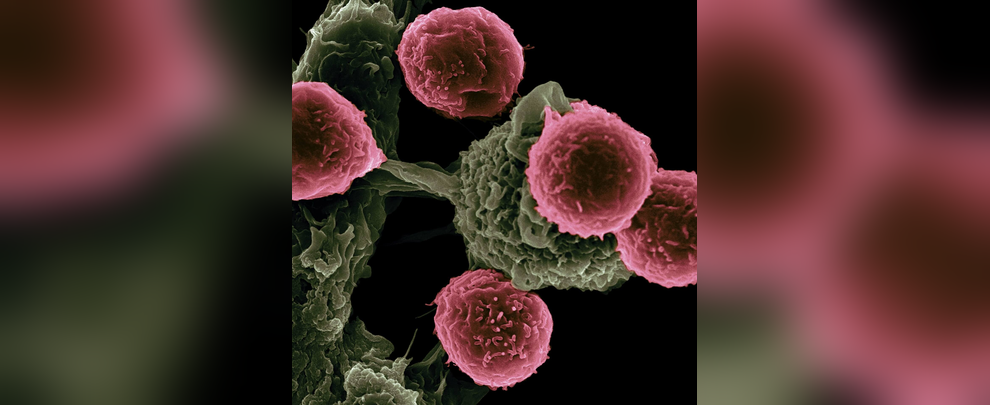
Rescuing Memory T Cell Chemotaxis to Boost Tumor Infiltration
By knocking down the adenosine A₂A receptor with silencing mRNA inside a lipid nanoparticle, researchers restore chemotaxis in head and neck cancer memory T cells.

Anti-Aging Adenosine Receptors
Erythrocyte adenosine A2B receptor signaling cascade protects against age-related decline in cognition.
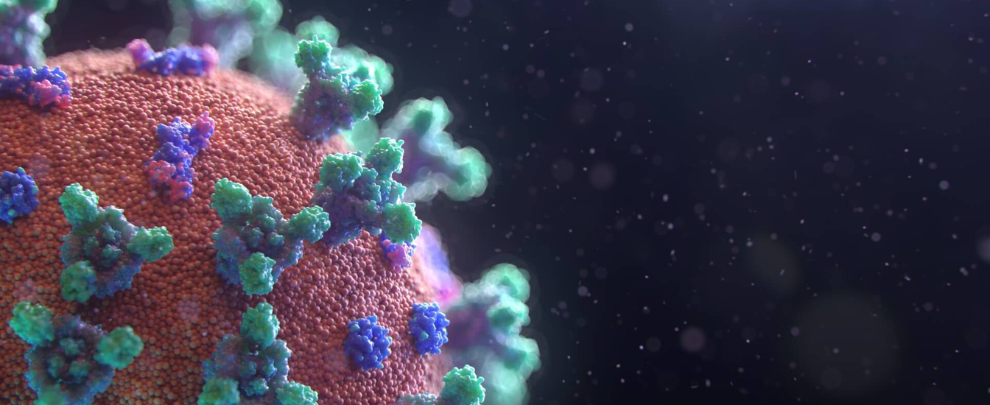
Research Roundup #7 – Pain Suppression, SARS-CoV-2 Resistance, and Antihistamines Versus Cancer Cells
In this installment, there’s an exciting bit of research that’s uncovered a potential therapeutic target for chronic pain in people with irritable bowel syndrome (IBS).
Research Roundup #6 – Exploring Diabetic Pain and the Diabetic Heart
There’s a focus on diabetes and some great work using rat and mouse models in this Research Roundup.
Research Roundup #5 – Making Young Heart Cells, Epilepsy, and Myofibroblast Transdifferentiation
Some new some less new research in this Research Roundup. We take a look at cardiomyocyte reprogramming to possibly healthier states, and then try to discern a mechanism underlying epileptogenesis.
Research Roundup #4 – APP, Amyloid-β, and a Neuron-Glia Communication Hub
There’s a great selection for you in this Research Roundup. We look at some new and interesting roles for amyloid precursor protein (APP) amyloid beta (Aβ or Abeta) in Alzheimer’s disease, and also how the nodes of Ranvier seem to be places where glia and neurons communicate to regulate neurotransmission.

Research Roundup #3 – Naᵥ KOs, ASICs and Drug Resistance, and Glycolysis vs OxPhos
In this Research Roundup you can read about knockout (KO) models for cardiology research, the role of acid-sensing channels (ASICs) in chemotherapy resistance, and the glycolysis vs mitochondria energy battle in neurotransmission (and how it’s tied to developmental stage).
Research Roundup #2 – aHUS and iPSCs, Schizophrenia, and GETIs
Welcome back to Research Roundup. This time we’ve got quite a spread, from stem cells in kidney disease patients through to cell thermobiology.

Research Roundup #1
Welcome to the first ever installment of Research Roundup.
Selecting the Right Antibody for the Right Job
When it comes to primary antibody selection, these are the things you need to think about to get the most from your experiments.
Imaging Ion Channels with Fluorescently Labelled Toxins
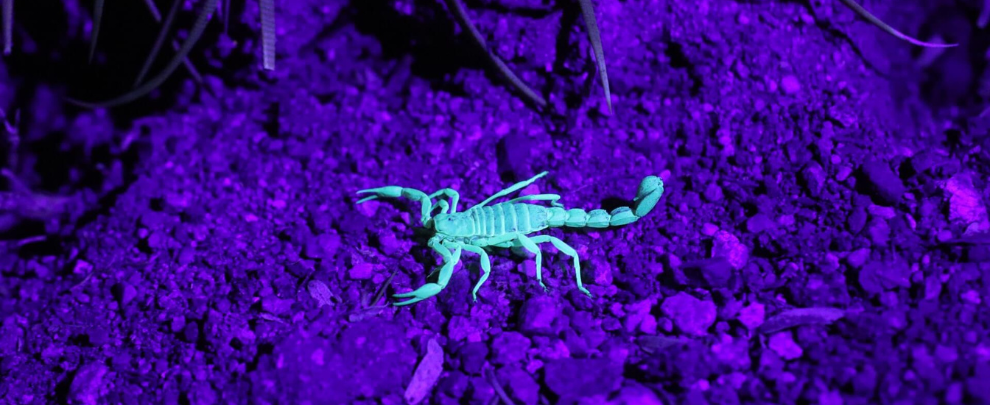
When classic antibodies fall short in visualizing ion channels, you might want to consider nature’s own solution: toxins from animals like scorpion, spider, or cone snail venom, conveniently rendered visible by conjugating them to fluorescent probes.

4 Controls for Immunohistochemistry (IHC) You Need to Use
The four most important types of controls you should be using if you want meaningful and comparable results.
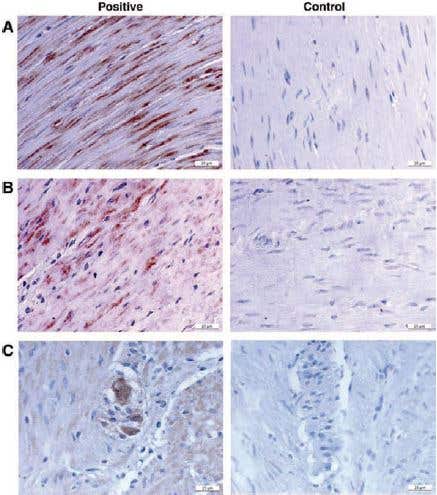
Exploring P2Y Receptors
By Ofra Gohar, Ph.D.
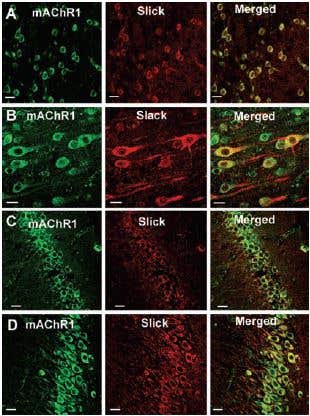
Muscarinic Receptor Family
By Dovrat Brass, Ph.D., B. Pharm.
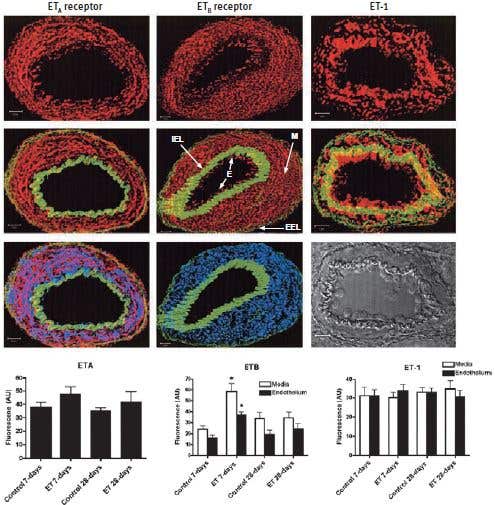
The Hype on the Endothelin Signaling System
By Melanie Grably, Ph.D.
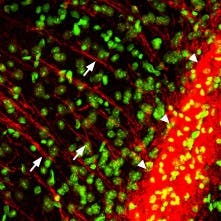
P2Y Receptors: Mediators of Extracellular Nucleotide Actions
By Noemí Bronstein-Sitton, Ph.D.
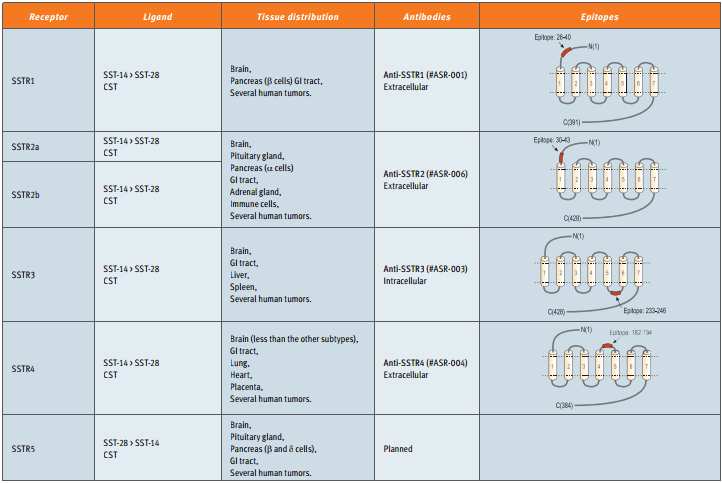
Somatostatin and the Somatostatin Receptors: Versatile Regulators of Biological Activity
By Noemí Bronstein-Sitton, Ph.D.
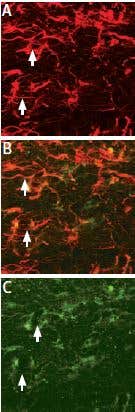
Live or Let Die in Neuroscience: The Story of the Proneurotrophins
By Phyllis Dan, Ph.D.
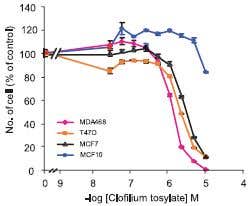
K⁺ Channels and Cancer: Surprising New Discoveries
By Noemí Bronstein-Sitton, Ph.D.
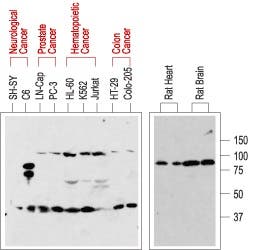
The Role of Neurotrophin Receptor p75ᴺᵀᴿ in Cancer
By Phyllis Dan, Ph.D.
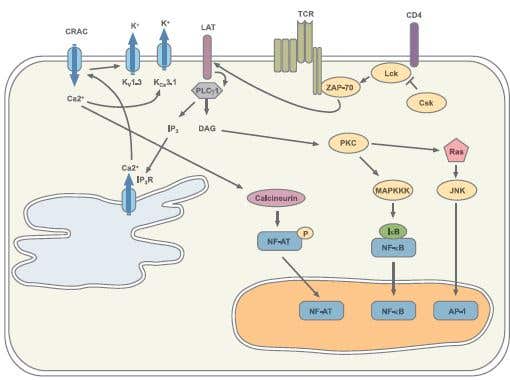
T Cell Signaling and Activation: No Simple Matter
By Noemí Bronstein-Sitton, Ph.D.
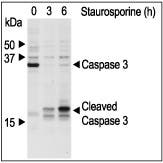
Involvement of Ca²⁺ in the Apoptotic Process – “Friends or Foes”
By Yossi Anis, Ph.D.
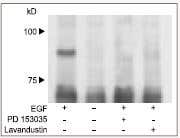
Ion Channels and Tyrosine Kinases
By Yossi Anis, Ph.D., Head of Cell Signaling Division
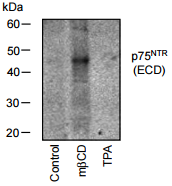
p75ᴺᵀᴿ – The Promiscuous Receptor
By Melanie Grably, Ph.D.
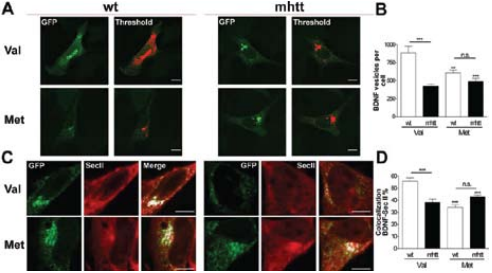
BDNF – Second Best?
By Alon Meir, Ph.D.
NGF: One Molecule, Multiple Functions
By Dovrat Brass, Ph.D., B.Pharm
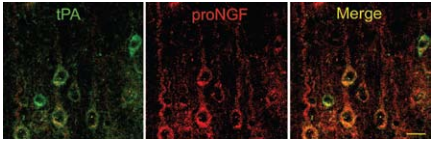
proNGF and proBDNF: The Alter Egos
By Melanie Grably, Ph.D.
The Purinergic P2Y Receptors
By Ofra Gohar, Ph.D.
Read Article
Read Article
Staurosporine and K252a Compounds
By Alomone Labs
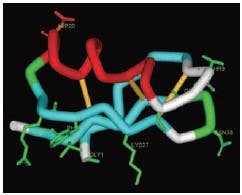
Fluorescently-Labeled Toxins: Novel Tools for Working with Live Cells
By Nadia Sinai, B.Sc., Alon Meir, Ph.D. and Oren Bogin, Ph.D.
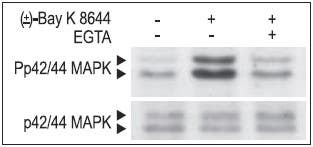
Decoding the L-Type Ca²⁺ Signal: A Story of Transcription Regulation
By Yossi Anis, Ph.D.
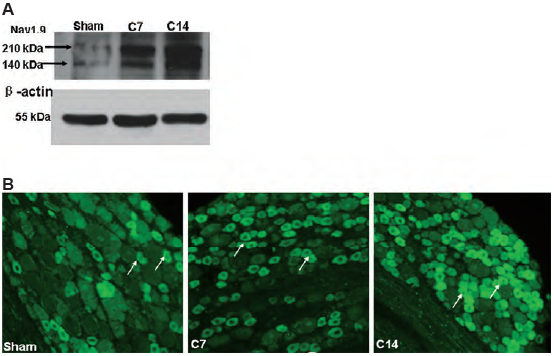
Naᵥ Channels and Pain
By Melanie R. Grably, Ph.D. and Lior Zornitzki, M.D.
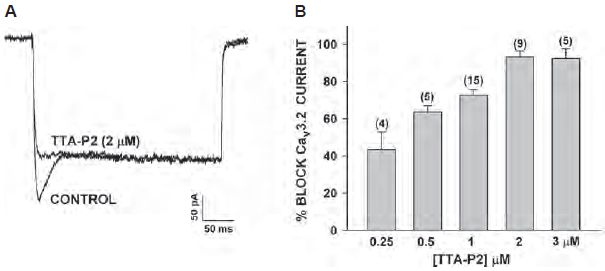
TTA-P2 and TTA-A2: Specific and Potent Caᵥ3 Channel Blockers
By Melanie R. Grably, Ph.D.
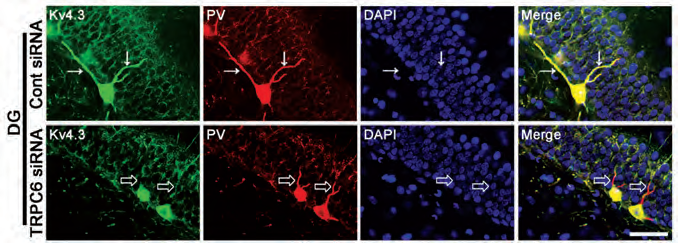
Kᵥ4 Channels Link Cognitive Decline and Cardiac Dysfunction During Aging
By Tommy Weiss Sadan, Ph.D. and Melanie R. Grably, Ph.D.
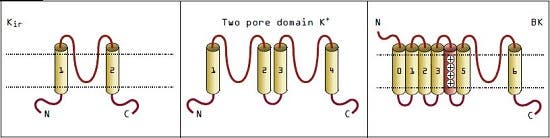
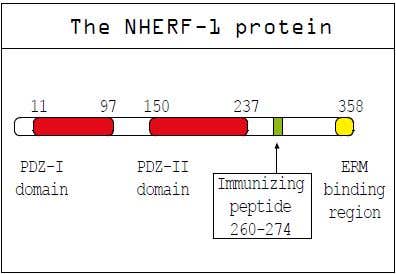
Na⁺/H⁺ Exchanger Regulatory Factor-1 (NHERF-1): A PDZ-Domain Containing Protein Adaptor
By Noemí Bronstein-Sitton, Ph.D.

Large Conductance Ca²⁺-Dependent K⁺ (BKCa) Channels
By Alon Meir, Ph.D.
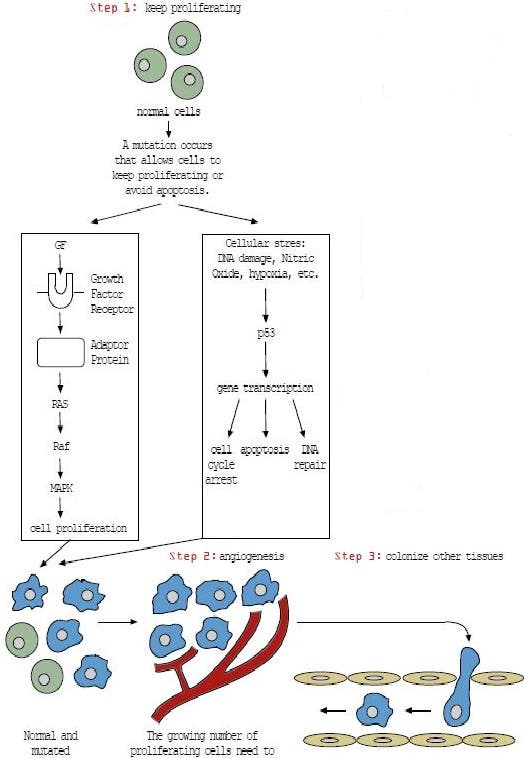
Ion Channels in Cancer
By Noemí Bronstein-Sitton, Ph.D.
The Kᵥ4 Channel Subfamily (Shal)
By Alon Meir, Ph.D.
Cyclic Nucleotide Gated (CNG) Channels
By Alon Meir, Ph.D.
The Inward Rectifier K⁺ Channel ROMK (Kᵢᵣ1.1)
By Alon Meir, Ph.D.
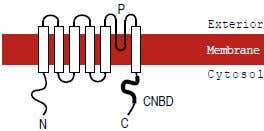
HCN Channels – The Pacemaker Channels
By Dovrat Brass, M.Sc.
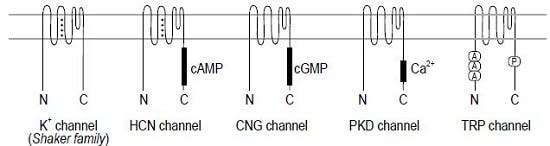
The Molecular Diversity of TRP Channels and Related Proteins
By Alon Meir, Ph.D.
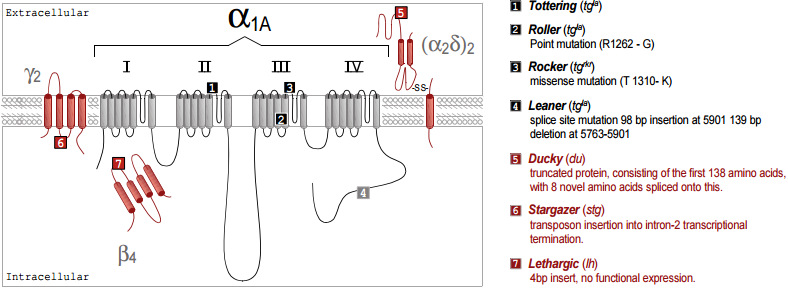
Subunit Interactions and Channelopathies in Caᵥ Channels
By Alon Meir, Ph.D., and Annette C. Dolphin, Ph.D.
MAGUK’s Protein Family
By Yona Bismuth, M.Sc.
Muscarinic Receptors
By Yona Bismuth, M.Sc.
Endothelin Receptors
By Gregory H. Idelson, Ph.D.
Membrane Water Transport Proteins: Aquaporins
By Yona Bismuth, M.Sc.
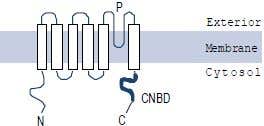
HCN Family: The Pacemaking Channels
By Gregory H. Idelson, Ph.D.
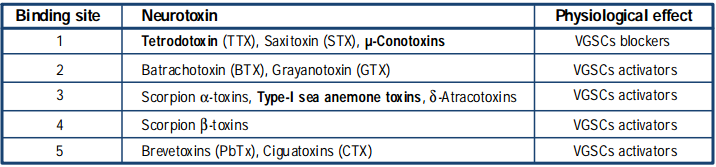
Modulation of Heart Function by Natural Neurotoxins
By Dovrat Brass, M.Sc., B. Pharm.
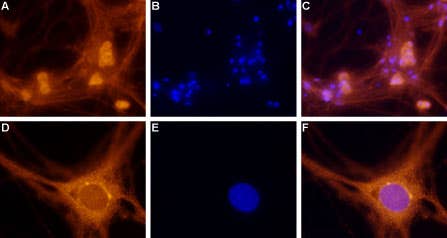
The Brains on Adenosine Receptors
By Melanie Grably, Ph.D., Scientific Editor, Marketing Division
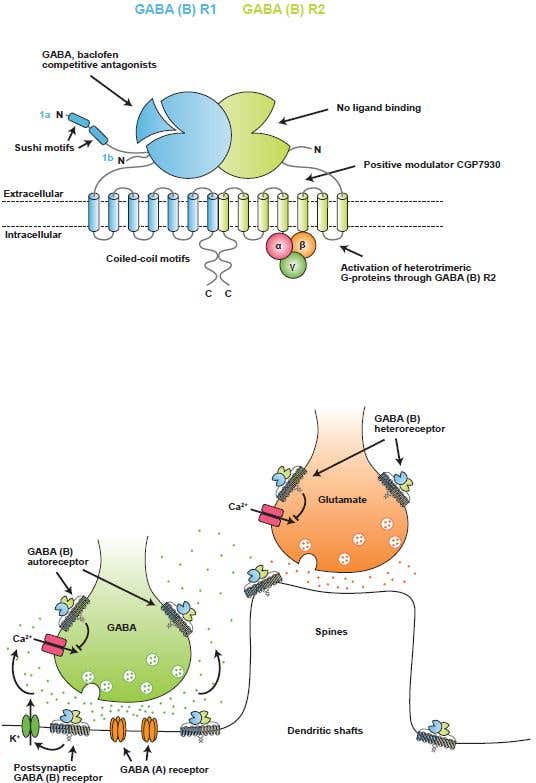
GABA (B) Receptors: an Example of Subtle Modulations in a Neurotransmitter System
By Alon Meir, Ph.D., CSO & R&D Manager
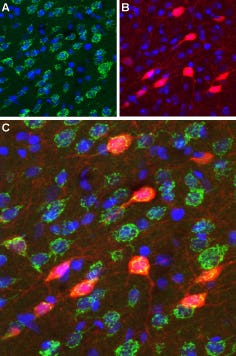
Controversial Feelings about Dopamine Receptors
By Dovrat Brass, Ph.D., B.Pharm., Director, Protein Group
Regional Expression of Cardiac Ion Channels and Cardiac Electrical Activity
By Gernot Schram, M.D., Marc Pourrier, B.Sc., Peter Melnyk, B.Sc. and Stanley Nattel, M.D.
Voltage-Gated Cl⁻ Channel Family
By Gregory H. Idelson, Ph.D.
GABA(A) Receptors
By Yona Bismuth, M.Sc.

Dendrotoxins: Powerful Blockers of Voltage-Gated K⁺ Channels
By Dovrat Brass, M.Sc., B. Pharm.
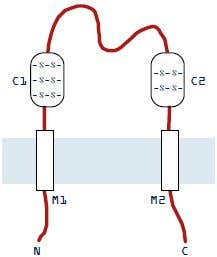
Molecular Diversity of P2 Receptors
By Gregory H. Idelson, Ph.D.
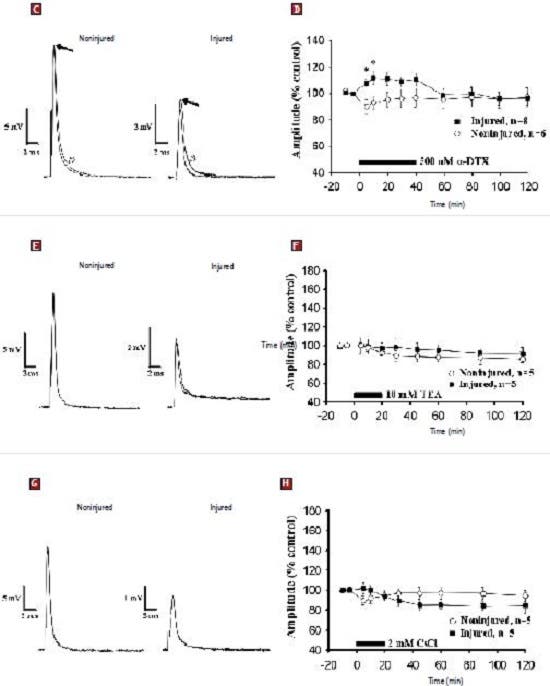
Role of Voltage-Gated K⁺ Channels in the Pathophysiology of Spinal Cord Injury
By Raad Nashmi, Ph.D. and Michael G. Fehlings, M.D., Ph.D.
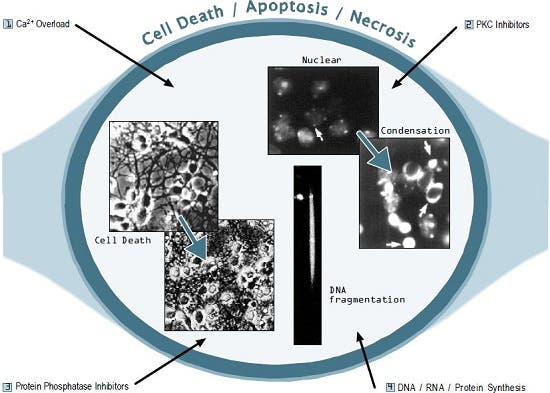
Cell Death Modulators for in vitro Apoptosis Models
By Alomone Labs
The Molecular Diversity of TRPC Channels and Related Proteins
By Alomone Labs
ERG K⁺ Channels
By Alomone Labs
Novel Neurotrophic Factors
By Alomone Labs
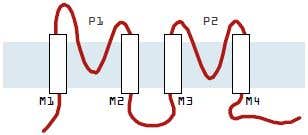
New Diversity within the Mammalian Tandem Pore Domain K⁺ Channel Family
By Andrew T. Gray, M.D., Ph.D.
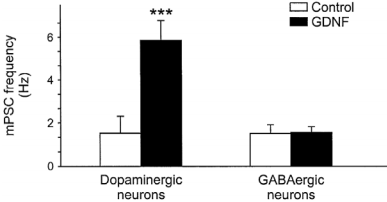
GDNF – a Neurotrophic Survival Factor
By Yossi Anis, Ph.D.
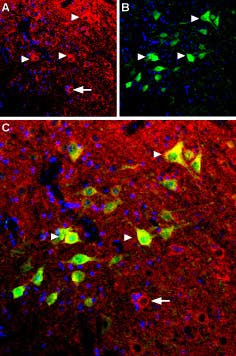
In Focus: Bradykinin Receptors
By Alomone Labs
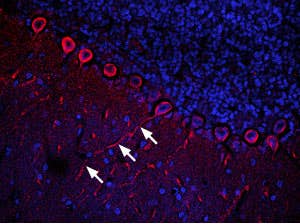
In Focus: Chemokine Receptors
By Alomone Labs
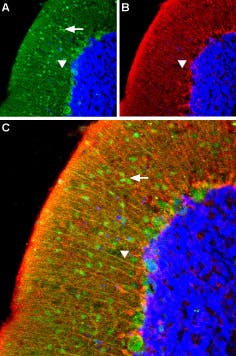
To Fight or to Flee from Adrenoceptors
By Melanie Grably, Ph.D., Scientific Editor, Marketing Division
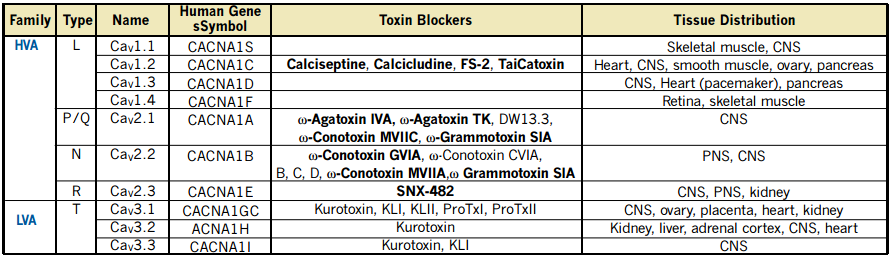
T-type Caᵥ Channels
By Alon Meir, Ph.D.
Role of Neurotrophins in Synapse Formation
By Phyllis Dan, Ph.D.
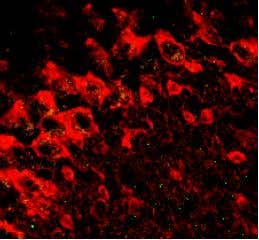
The Ionotropic GABA(A) Receptor
By Ofra Gohar, Ph.D.
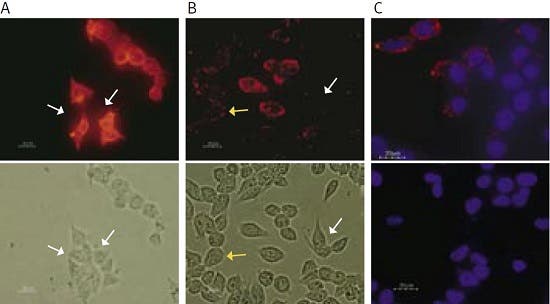
Targeting Ion Channels in Living Cells
By Noemí Bronstein, Ph.D.
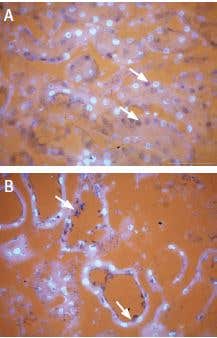
Contribution of Ion Channels in Pain Sensation
By Ofra Gohar, Ph.D.
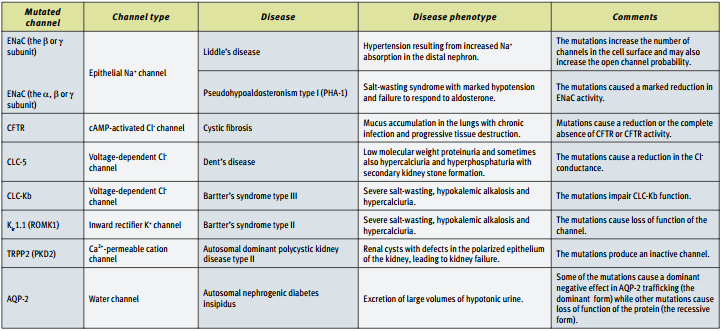
Ion Channels and Epithelial Tissue Function
By Noemí Bronstein-Sitton, Ph.D.
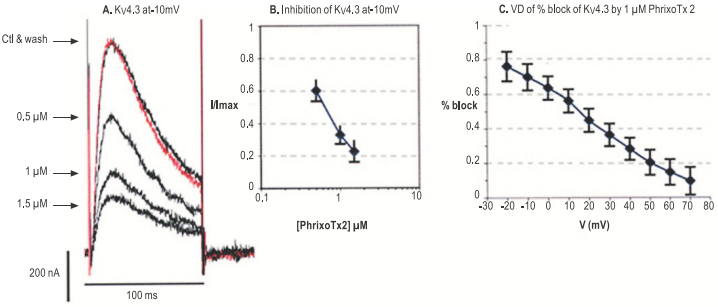
The Kᵥ4 Channel Subfamily (Shal)
By Oren Bogin, Ph.D.
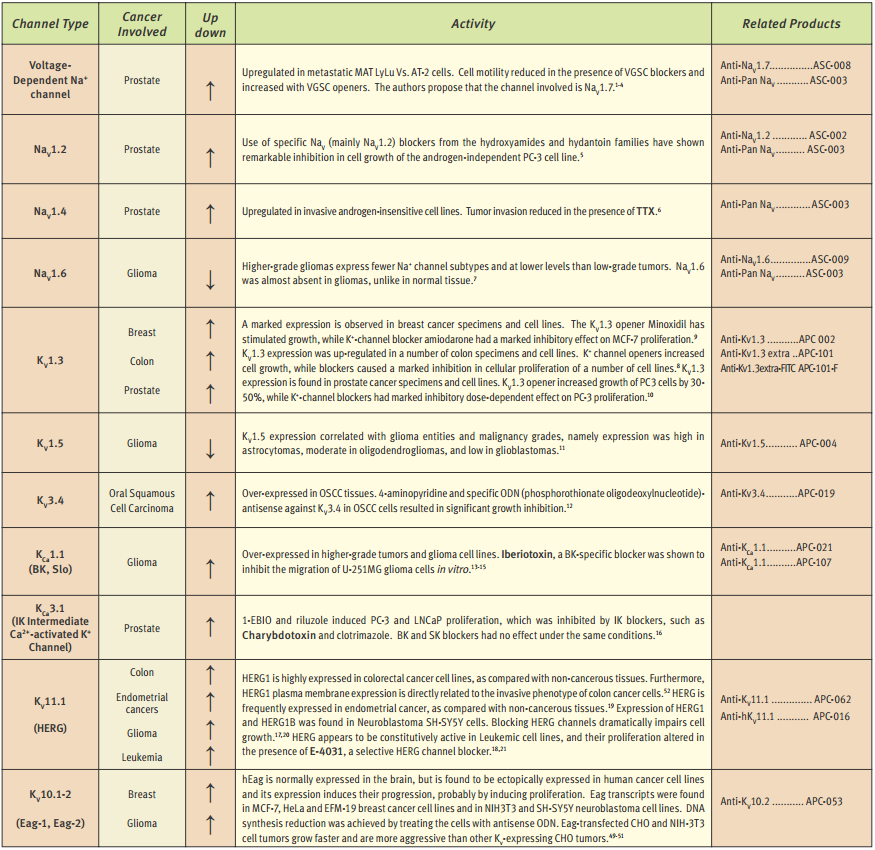
Ion Channels and Cancer
By Oren Bogin, Ph.D.
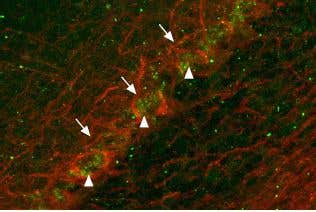
The Kᵥ7 (KCNQ)
By Noemí Bronstein-Sitton, Ph.D.
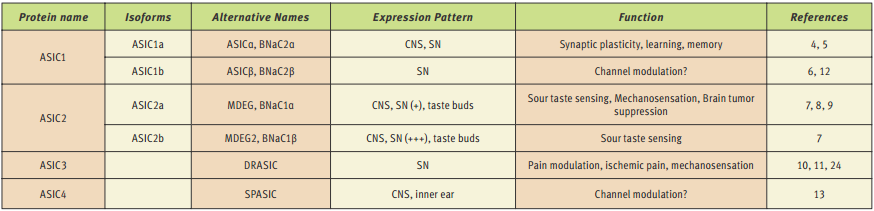
Acid-Sensing Ion Channels: Structure and Function
By Noemí Bronstein-Sitton, Ph.D.
Endothelins and Urotensin II
By Ofra Gohar, Ph.D.
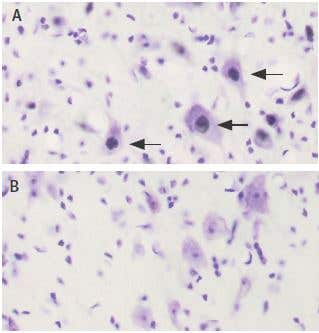
GABA(A) Receptor Family
By Ofra Gohar, Ph.D.
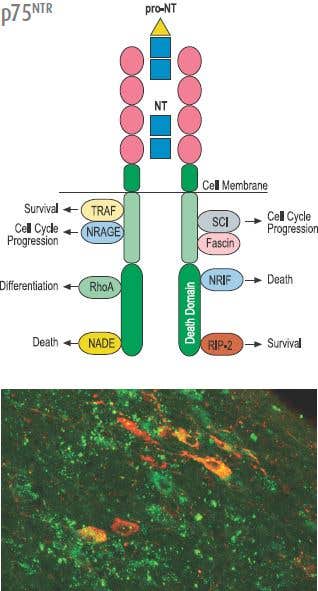
Proneurotrophins: The Other Half of the Neurotrophin Story
By Phyllis Dan, Ph.D.
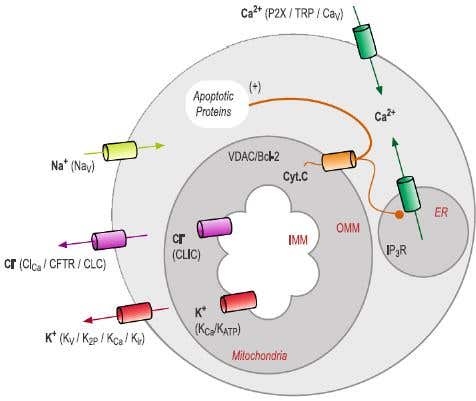
Involvement of Ion Channels in Apoptosis
By Alon Meir, Ph.D.
The Purinergic P2X Receptors
By Ofra Gohar, Ph.D.
α-Latrotoxin: A Molecular Tool for Induction of Neurotransmitter Release
By Alon Meir, Ph.D.
Ca²⁺-Dependent K⁺ (KCa) Channels: At the Crossroads of Cell Metabolism
By Noemí Bronstein, Ph.D.
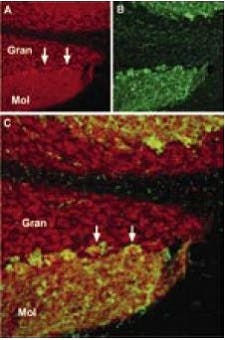
The Transient Receptor Potential (TRP) Ion Channels
By Ofra Gohar, Ph.D.
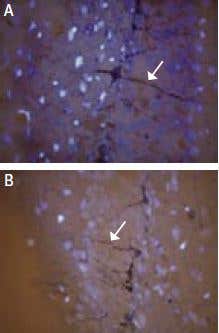
Cyclic Nucleotide-Regulated Ion Channels: From Light Sensing to Pace Keeping
By Noemí Bronstein, Ph.D.
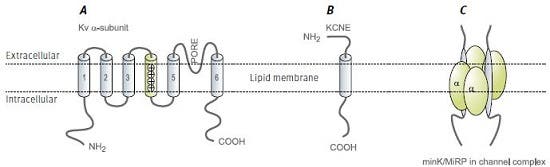
Interactions of KCNE Auxiliary Subunits with Kᵥ and other Channels
By Alon Meir, Ph.D.
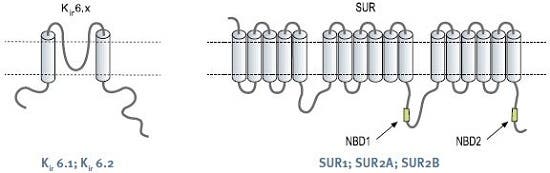
Kₐₜₚ Channels: Linking Cell Metabolism to Cell Excitability
By Noemí Bronstein-Sitton, Ph.D.
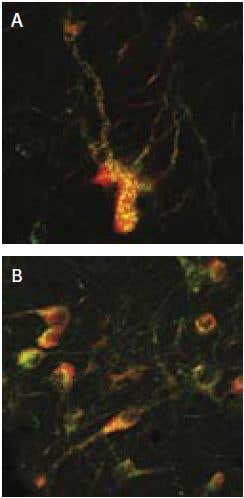
The Role of p75ᴺᵀᴿ in Cancer
By Phyllis Dan, Ph.D.
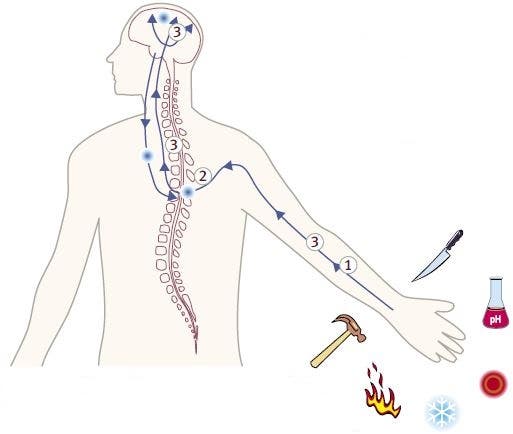
Venom Peptides and their Mimetics as Potential Drugs
By Oren Bogin, Ph.D.
P2Y Receptor Family
By Ofra Gohar, Ph.D.
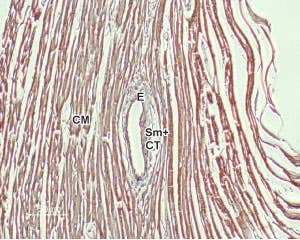
In Focus: NCX Exchangers
By Alomone Labs
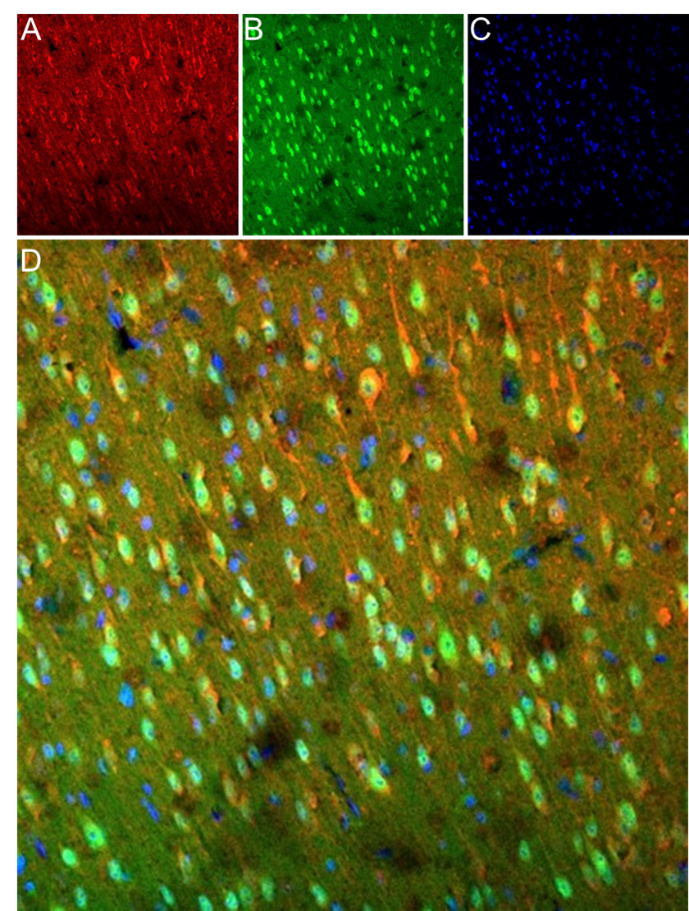
In Focus: Labeled α-Bungarotoxin
By Alomone Labs
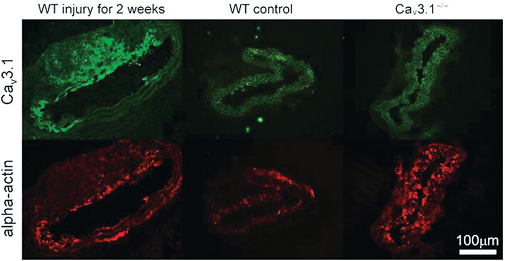
T-Type Ca²⁺ Channels
By Lilach Chen, M.Sc. and Melanie Grably, Ph.D.
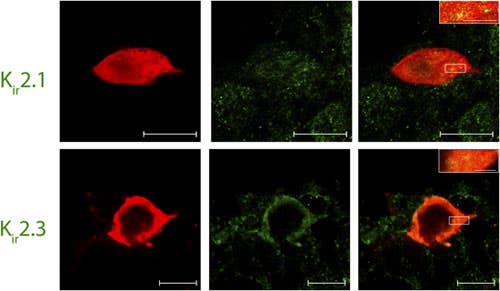
Ion Channels and Pain
By Roei Levy, M.Sc. and Melanie Grably, Ph.D.
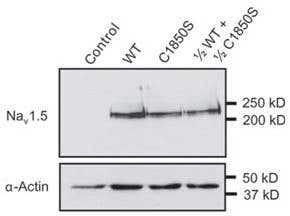
Setting the Pace with Naᵥ1.5 Channels
By Roei Levy, M.Sc. and Melanie Grably, Ph.D.
In Focus: Ionotropic Glutamate Receptors
By Alomone Labs
In Focus: Connexin and Pannexin Gap Junction Channels
By Alomone Labs
In Focus: Two Pore Segment Channels (TPCs)
By Alomone Labs
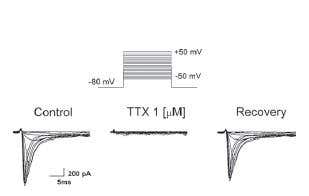
Tetrodotoxin – A Powerful Molecular Tool in Excitable Tissues
By Alon Meir, Ph.D., CSO, R&D Manager
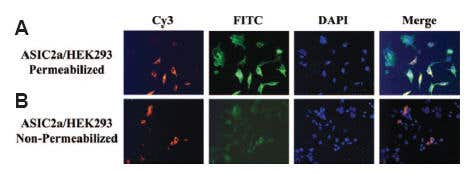
ENaC and ASIC Channels at a Glance
By Melanie Grably, Ph.D., Scientific Editor, Marketing Division
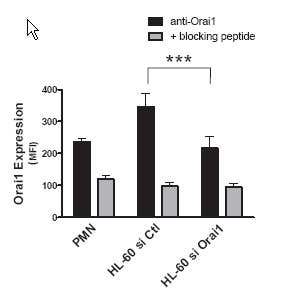
CRACking STIM and Orai Currents
By Ronit Cherki, Ph.D.
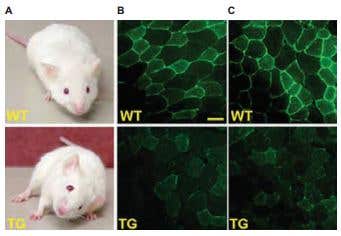
Cl⁻ Channels Come into Focus
By Noemi Bronstein, Ph.D., Co-Director, Antibody Group
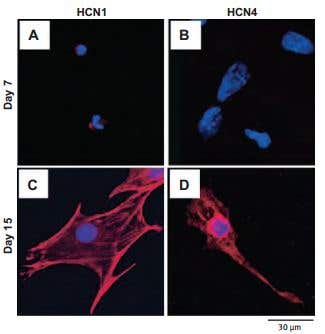
Tickling the Heart and the Nervous System with the Funny Current
By Dovrat Brass, Ph.D. and Melanie Grably, Ph.D.

Voltage-Gated Na⁺ Channels in the CNS
By Ronit Cherki, Ph.D., Director, Electrophysiology Group
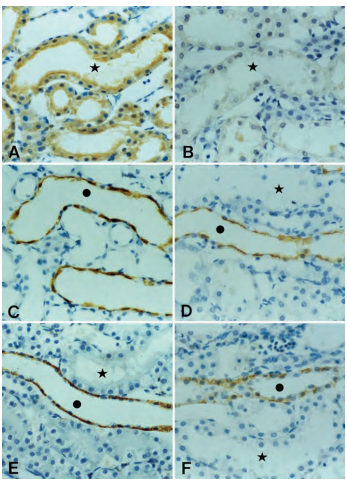
Aquaporins: the Waterways of Nature
By Ofra Gohar, Ph.D., Co-Director, Antibody Group
Alomone Labs: Twenty Years of Ion Channel Activity
By Alon Meir, Ph.D., CSO & R&D Manager
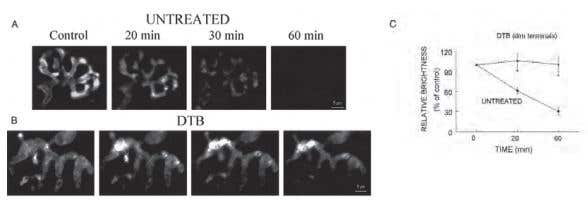
α-Latrotoxin: A Potent Inducer of Secretion
By Alon Meir, Ph.D.
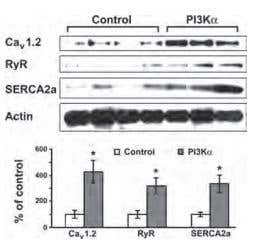
Voltage-Gated Ca²⁺ Channels in the Cardiovascular System
By Etai Shpigel, Ph.D. and Yossi Anis, Ph.D.
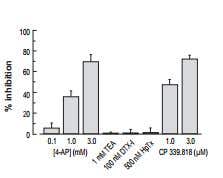
Characterization of Neuronal K⁺ Channels
By Phyllis Dan, Ph.D.
Ionotrophic ATP (P2X) Receptors
By Alon Meir, Ph.D.
Tripping Over TRPC
By Melanie Grably, Ph.D.
The Involvement of Ion Channels in Cell Proliferation
By Phyllis Dan, Ph.D.
K⁺ Channels in Cardiomyocytes
By Alon Meir, Ph.D.
The Transient Receptor Potential Superfamily: Antibodies in Action
By Ofra Gohar, Ph.D.
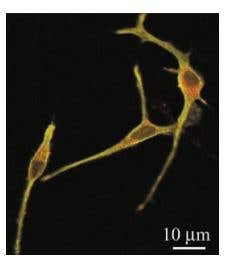
The Role of Ion Channels in Neurodegeneration
By Phyllis Dan, Ph.D.
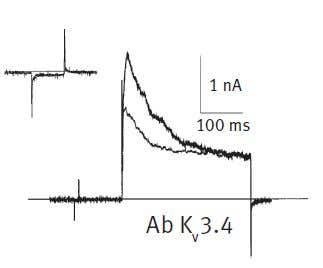
Ion Channels and Oxygen Sensing in the Carotid Body
By Noemí Bronstein, Ph.D.
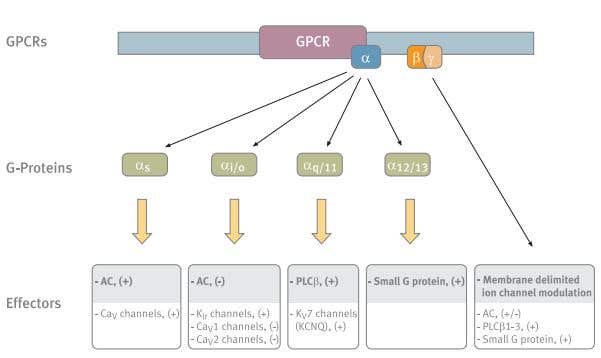
Ion Channel Modulation by G-Protein Coupled Receptors
By Ofra Gohar, Ph.D.
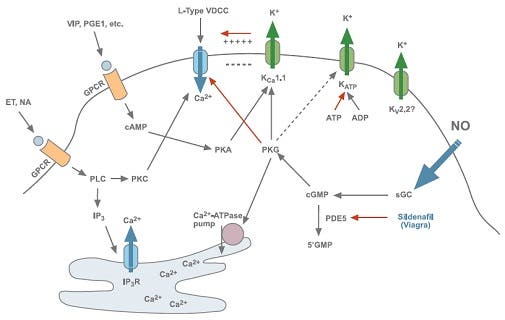
The Sexiest Channels Alive: The Role of Ion Channels in Penile Erection
By Noemi Bronstein-Sitton, Ph.D.
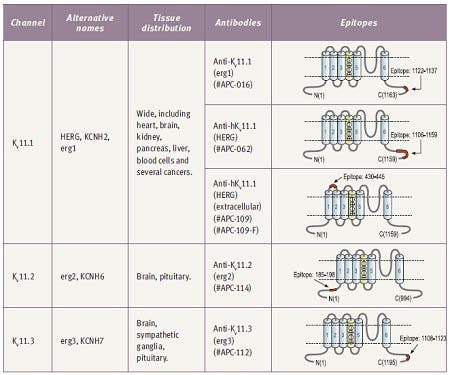
The ether-a-go-go Related Gene (erg) Voltage-Gated K⁺ Channels: A Common Structure With Uncommon Characteristics
By Noemi Bronstein-Sitton, Ph.D.
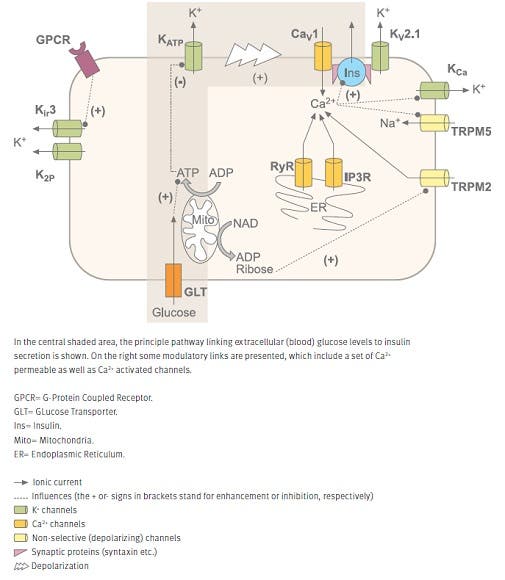
Ion Channels in Endocrine Pancreatic Cells and their Role in Diabetes
By Ronit Cherki, Ph.D., Lisandro Luques, Yossi Anis, Ph.D., and Alon Meir, Ph.D.
In Focus: Formyl Peptide Receptors
By Alomone Labs
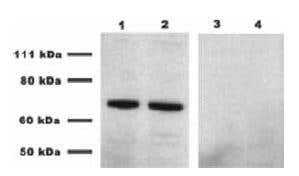
Cannabinoid Signaling in the Nervous System
By Lilach Chen, M.Sc., Melanie Grably, Ph.D.
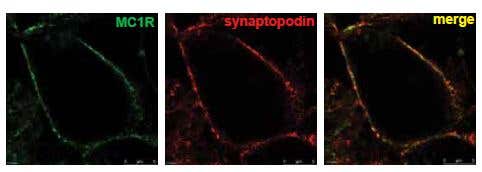
Melanocortin Receptors in the Kidney and Nervous System
By Amit Reif, M.Sc., Melanie Grably, Ph.D.
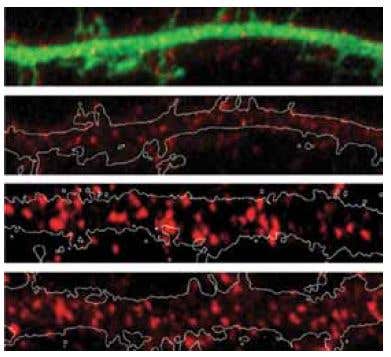
Regulatory Aspects of mGluRs
By Roei Levy, M.Sc., Melanie Grably, Ph.D.
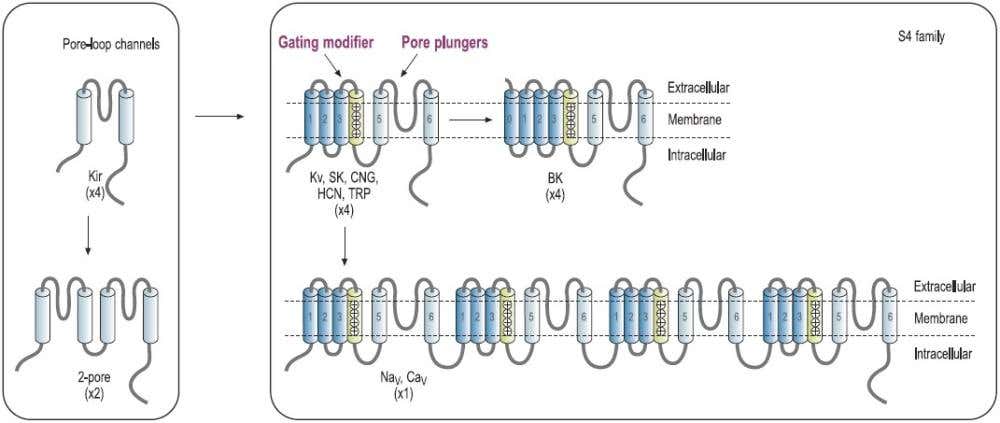
Guide to Venom Toxins as Ion Channel Modulators
By Oren Bogin, Ph.D.
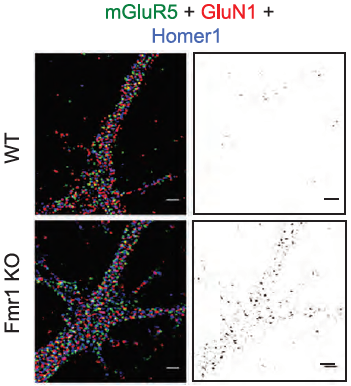
NMDA Receptor Dynamics Dictate Neuronal Plasticity and Function
By Tommy Weiss Sadan, Ph.D. and Melanie R. Grably, Ph.D.
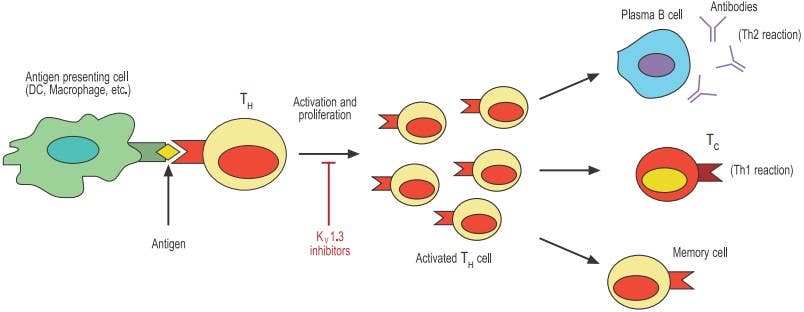
Regulating the Immune Response
By Noemí Bronstein-Sitton, Ph.D.
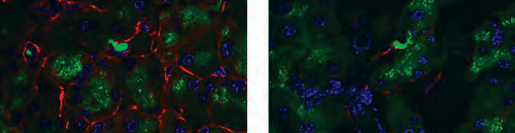
In Focus: Piezo Channels
By Alomone Labs
In Focus: 5-HT3 Receptors
By Alomone Labs
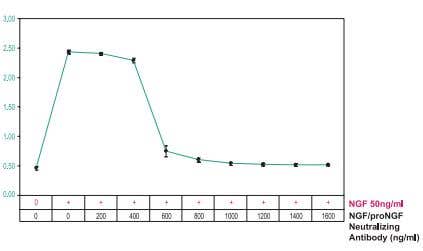
In Focus: NGF Neutralization
By Alomone Labs
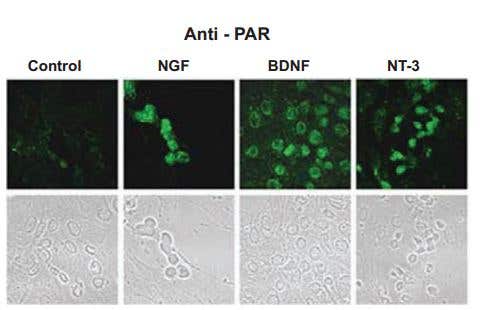
NT-3 and NT-4 at the Nerve Center of Neurotrophic Research
By Roei Levy, M.Sc. and Melanie Grably, Ph.D.
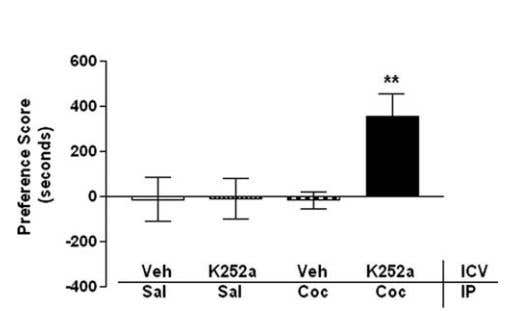
Off the Trk (with K252a)
By Roei Levy, M.Sc. and Melanie Grably, Ph.D.
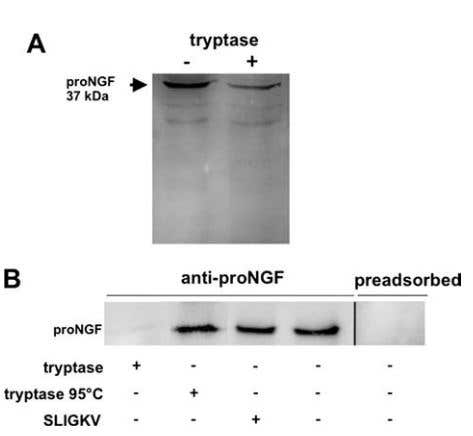
pro-Neurotrophins: The Other Identity of Neurotrophins
By Lilach Chen, M.Sc. and Melanie Grably, Ph.D.
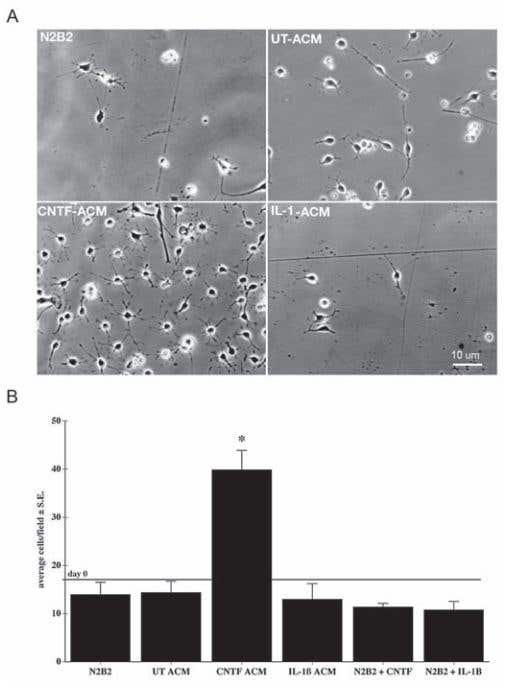
Survival and Phagocytic Effects of CNTF
By Lilach Chen, M.Sc. and Melanie Grably, Ph.D.
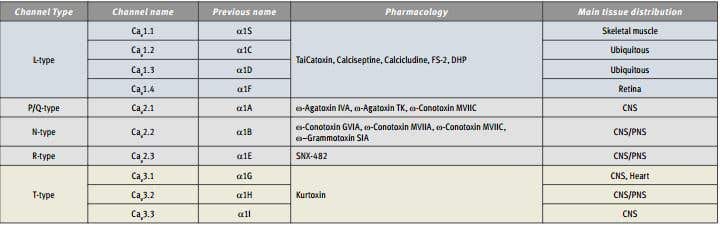
Voltage Dependent Ca²⁺ (CaV) Channels
By Alon Meir, Ph.D.