-
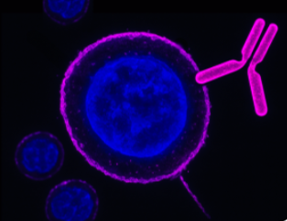
 A Rabbit Polyclonal Antibody to Noradrenaline Transporter (NET)
- Product Code: AMT-002
- Short Description: A Rabbit Polyclonal Antibody to Noradrenaline Transporter (NET)
- Host: Rabbit
- Label: Unconjugated
- Reactivity: Rat, Mouse
- Applications: Live cell imaging, Western blot, Immunocytochemistry, Immunofluorescence, Immunohistochemistry
- Target: Sodium-dependent noradrenaline transporter, Norepinephrine transporter, SLC6A2
-
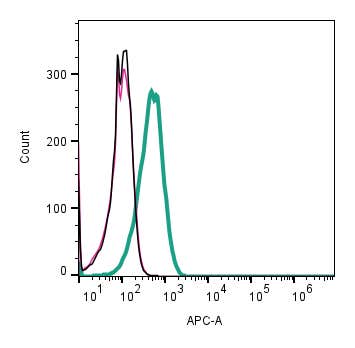 A Rabbit Polyclonal antibody to Human MRGPRX2 (extracellular)
- Product Code: AMR-072
- Short Description: A Rabbit Polyclonal antibody to Human MRGPRX2 (extracellular)
- Host: Rabbit
- Label: Unconjugated
- Reactivity: Human
- Applications: Indirect flow cytometry, Live cell imaging, Western blot
- Target: Mas-related G-protein coupled receptor member X2, MRGX2
-
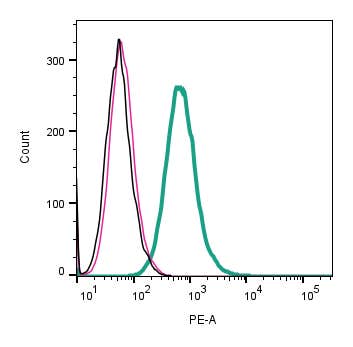 A Rabbit Polyclonal Antibody to Melanin-Concentrating Hormone Receptor 1
- Product Code: AMR-041
- Short Description: A Rabbit Polyclonal Antibody to Melanin-Concentrating Hormone Receptor 1
- Host: Rabbit
- Label: Unconjugated
- Reactivity: Human, Rat, Mouse
- Applications: Live cell imaging, Western blot, Immunocytochemistry, Immunofluorescence
- Target: Melanin-concentrating hormone receptor 1, MCH1, MCH1R, GPR24, Somatostatin receptor-like protein, SLC-1
-

 A Rabbit Polyclonal Antibody to Melanocortin Receptor 4
- Product Code: AMR-024
- Short Description: A Rabbit Polyclonal Antibody to Melanocortin Receptor 4
- Host: Rabbit
- Label: Unconjugated
- Reactivity: Human, Rat, Mouse
- Applications: Live cell imaging, Western blot, Immunocytochemistry, Immunofluorescence, Immunohistochemistry
- Target: Melanocortin receptor 4, MC4R, MC4-R
-
 A Rabbit Polyclonal Antibody to Melanocortin Receptor 3
- Product Code: AMR-023
- Short Description: A Rabbit Polyclonal Antibody to Melanocortin Receptor 3
- Host: Rabbit
- Label: Unconjugated
- Reactivity: Human, Rat, Mouse
- Applications: Indirect flow cytometry, Live cell imaging, Western blot, Immunofluorescence, Immunohistochemistry
- Target: Melanocortin receptor 3, MC3R, MC3-R
-
 A Rabbit Polyclonal Antibody to Melanocortin Receptor 2
- Product Code: AMR-022
- Short Description: A Rabbit Polyclonal Antibody to Melanocortin Receptor 2
- Host: Rabbit
- Label: Unconjugated
- Reactivity: Human, Rat, Mouse
- Applications: Western blot, Immunohistochemistry
- Target: Melanocortin receptor 2, MC2R, MC2-R, Adrenocorticotropic hormone receptor, ACTH receptor, ACTHR, ACTH-R, Adrenocorticotropin receptor
-
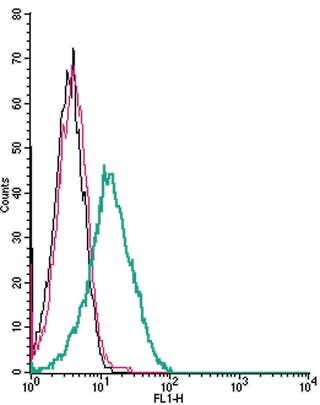 A Rabbit Polyclonal Antibody to Muscarinic Acetylcholine Receptor M5
- Product Code: AMR-005
- Short Description: A Rabbit Polyclonal Antibody to Muscarinic Acetylcholine Receptor M5
- Host: Rabbit
- Label: Unconjugated
- Reactivity: Human, Mouse
- Applications: Indirect flow cytometry, Live cell imaging, Western blot
- Target: Muscarinic acetylcholine receptor M5, Cholinergic receptor muscarinic 5, mAChR M5, HM5
-
 A Rabbit Polyclonal Antibody to Latrophilin-3
- Product Code: ALR-063
- Short Description: A Rabbit Polyclonal Antibody to Latrophilin-3
- Host: Rabbit
- Label: Unconjugated
- Reactivity: Human, Rat, Mouse
- Applications: Western blot, Immunohistochemistry
- Target: Adhesion G Protein-Coupled Receptor L3, ADGRL3, Calcium-Independent Alpha-Latrotoxin Receptor 3, LPHN3, Lectomedin-3
-
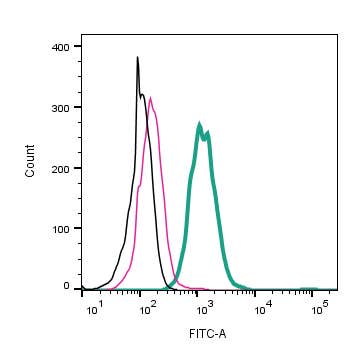 A Rabbit Polyclonal Antibody to CLEC7A (extracellular) conjugated to the fluorescent dye FITC
- Product Code: ALR-062-F
- Short Description: A Rabbit Polyclonal Antibody to CLEC7A (extracellular) conjugated to the fluorescent dye FITC
- Host: Rabbit
- Label: FITC
- Reactivity: Rat, Mouse
- Applications: Live cell imaging, Flow cytometry
- Target: C-Type Lectin Domain Family 7 Member A, Dendritic Cell-Associated C-Type Lectin 1, DC-Associated C-Type Lectin 1, Beta-Glucan Receptor, C-Type Lectin Superfamily Member 12, CLECSF12, CD369, SCARE2
-
 A Rabbit Polyclonal antibody to CLEC7A/Dectin-1 (extracellular)
- Product Code: ALR-062
- Short Description: A Rabbit Polyclonal antibody to CLEC7A/Dectin-1 (extracellular)
- Host: Rabbit
- Label: Unconjugated
- Reactivity: Rat, Mouse
- Applications: Indirect flow cytometry, Live cell imaging, Western blot, Immunohistochemistry
- Target: C-Type Lectin Domain Family 7 Member A, Dendritic Cell-Associated C-Type Lectin 1, DC-Associated C-Type Lectin 1, Beta-Glucan Receptor, C-Type Lectin Superfamily Member 12, CLECSF12, CD369
Loading...