
-
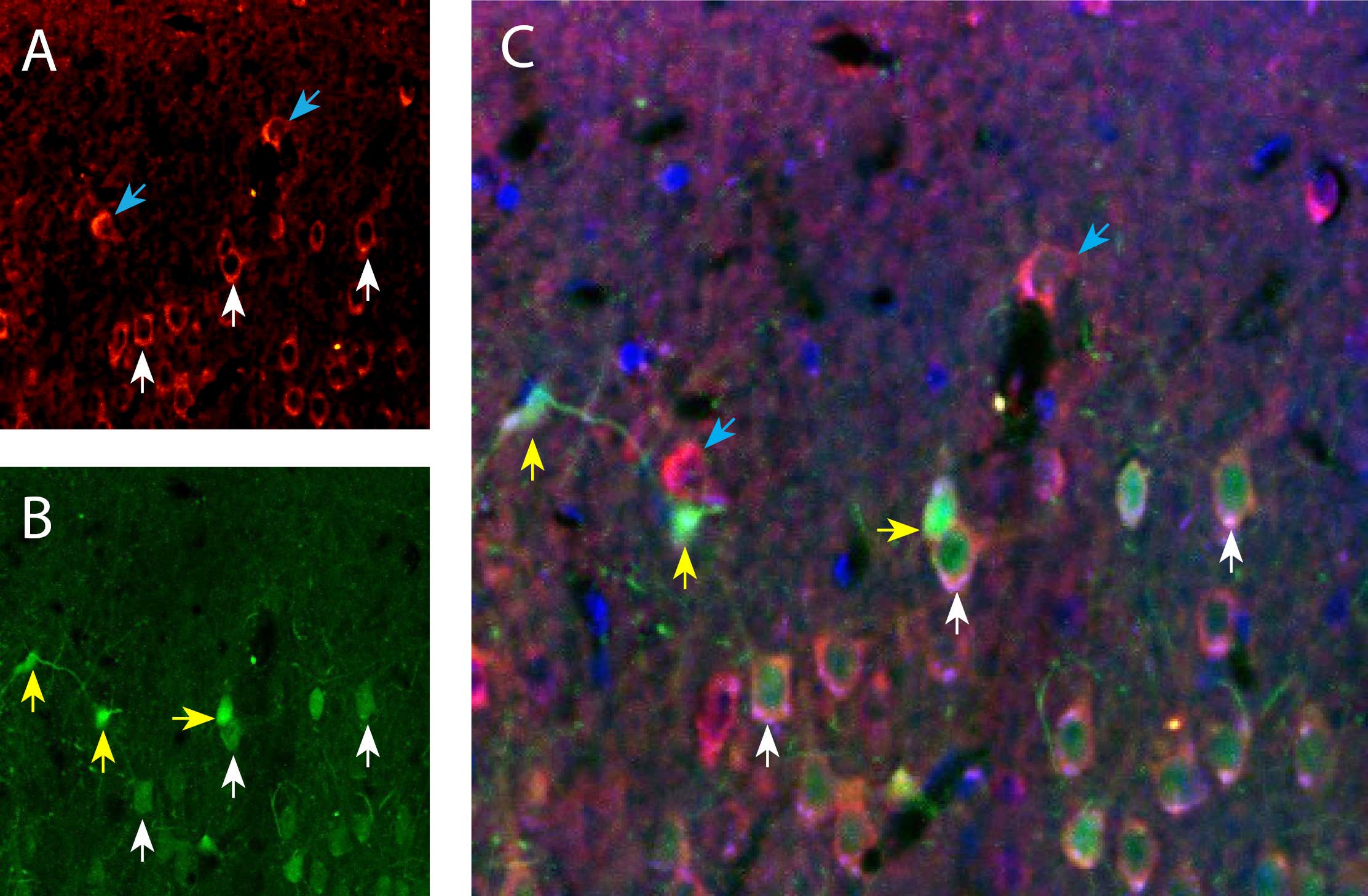 A Rabbit Polyclonal Antibody to Piezo1 (extracellular) conjugated to the fluorescent dye ATTO Fluor-550.
- Product Code: APC-087-AO
- Short Description: A Rabbit Polyclonal Antibody to Piezo1 (extracellular) conjugated to the fluorescent dye ATTO Fluor-550.
- Host: Rabbit
- Label: ATTO 550
- Reactivity: Rat, Mouse
- Applications: Live cell imaging, Flow cytometry, Immunohistochemistry
- Target: Piezo1
-

 A Rabbit Polyclonal Antibody to Piezo1 Channel
- Product Code: APC-087
- Short Description: A Rabbit Polyclonal Antibody to Piezo1 Channel
- Host: Rabbit
- Label: Unconjugated
- Reactivity: Rat, Mouse
- Applications: Indirect flow cytometry, Live cell imaging, Western blot, Immunofluorescence, Immunohistochemistry
- Target: Piezo-type mechanosensitive ion channel component 1, Protein FAM38A, Mib, Membrane protein induced by beta-amyloid treatment
-
 A Rabbit Polyclonal Antibody to HCN3 Channel
- Product Code: APC-083
- Short Description: A Rabbit Polyclonal Antibody to HCN3 Channel
- Host: Rabbit
- Label: Unconjugated
- Reactivity: Human, Rat, Mouse
- Applications: Live cell imaging, Western blot, Immunocytochemistry, Immunofluorescence
- Target: K+/Na+ Hyperpolarization-activated cyclic nucleotide-gated channel 3, BCNG4, Hac3
-
 A Rabbit Polyclonal Antibody to slo?3 (KCNMB3) Subunit
- Product Code: APC-068
- Short Description: A Rabbit Polyclonal Antibody to slo?3 (KCNMB3) Subunit
- Host: Rabbit
- Label: Unconjugated
- Reactivity: Rat, Mouse
- Applications: Western blot, Immunohistochemistry
- Target: Ca2+-activated K+ channel subunit β3, BKCa β3, BK beta 3, Maxi K channel β3, Charybdotoxin receptor subunit beta-3
-
 A Rabbit Polyclonal Antibody to KCNK9 Channel
- Product Code: APC-044
- Short Description: A Rabbit Polyclonal Antibody to KCNK9 Channel
- Host: Rabbit
- Label: Unconjugated
- Reactivity: Human, Mouse
- Applications: Western blot, Immunofluorescence, Immunohistochemistry
- Target: Potassium channel subfamily K member 9, K2P9.1, TWIK-related acid-sensitive K+ channel 3, Two pore K+ channel KT3.2
-
 A Rabbit Polyclonal antibody to Opsin 3 (extracellular)
- Product Code: AOR-023
- Short Description: A Rabbit Polyclonal antibody to Opsin 3 (extracellular)
- Host: Rabbit
- Label: Unconjugated
- Reactivity: Human, Rat, Mouse
- Applications: Indirect flow cytometry, Live cell imaging, Western blot, Immunohistochemistry
- Target: OPN3, Encephalopsin, Panopsin
-
 A Rabbit Polyclonal Antibody to ?-Opioid Receptor (OPRD1)
- Product Code: AOR-014
- Short Description: A Rabbit Polyclonal Antibody to ?-Opioid Receptor (OPRD1)
- Host: Rabbit
- Label: Unconjugated
- Reactivity: Rat, Mouse
- Applications: Indirect flow cytometry, Live cell imaging, Western blot, Immunocytochemistry, Immunofluorescence, Immunohistochemistry
- Target: DOR-1
-
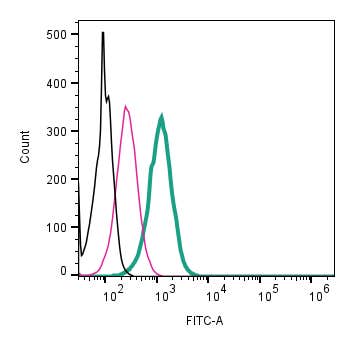 A Rabbit Polyclonal Antibody to ?-Opioid Receptor (extracellular) conjugated to the fluorescent dye FITC
- Product Code: AOR-012-F
- Short Description: A Rabbit Polyclonal Antibody to ?-Opioid Receptor (extracellular) conjugated to the fluorescent dye FITC
- Host: Rabbit
- Label: FITC
- Reactivity: Human, Rat, Mouse
- Applications: Live cell imaging, Flow cytometry
- Target: Kappa-type opioid receptor, KOR-1, KOR, Opiate receptor kappa 1
-
 A Rabbit Polyclonal Antibody to ?-Opioid Receptor (OPRK1)
- Product Code: AOR-012
- Short Description: A Rabbit Polyclonal Antibody to ?-Opioid Receptor (OPRK1)
- Host: Rabbit
- Label: Unconjugated
- Reactivity: Human, Rat, Mouse
- Applications: Indirect flow cytometry, Live cell imaging, Western blot, Immunohistochemistry
- Target: Kappa-type opioid receptor, KOR-1, Opiate receptor kappa 1
-
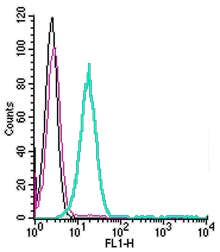 A Rabbit Polyclonal Antibody to OPRM1 Conjugated to the Fluorescent Dye FITC
- Product Code: AOR-011-F
- Short Description: A Rabbit Polyclonal Antibody to OPRM1 Conjugated to the Fluorescent Dye FITC
- Host: Rabbit
- Label: FITC
- Reactivity: Human, Rat, Mouse
- Applications: Live cell imaging, Flow cytometry
- Target: Mu-type opioid receptor, Opioid receptor B, MOR-1, MOP, Mu-opiate receptor
Loading...