-
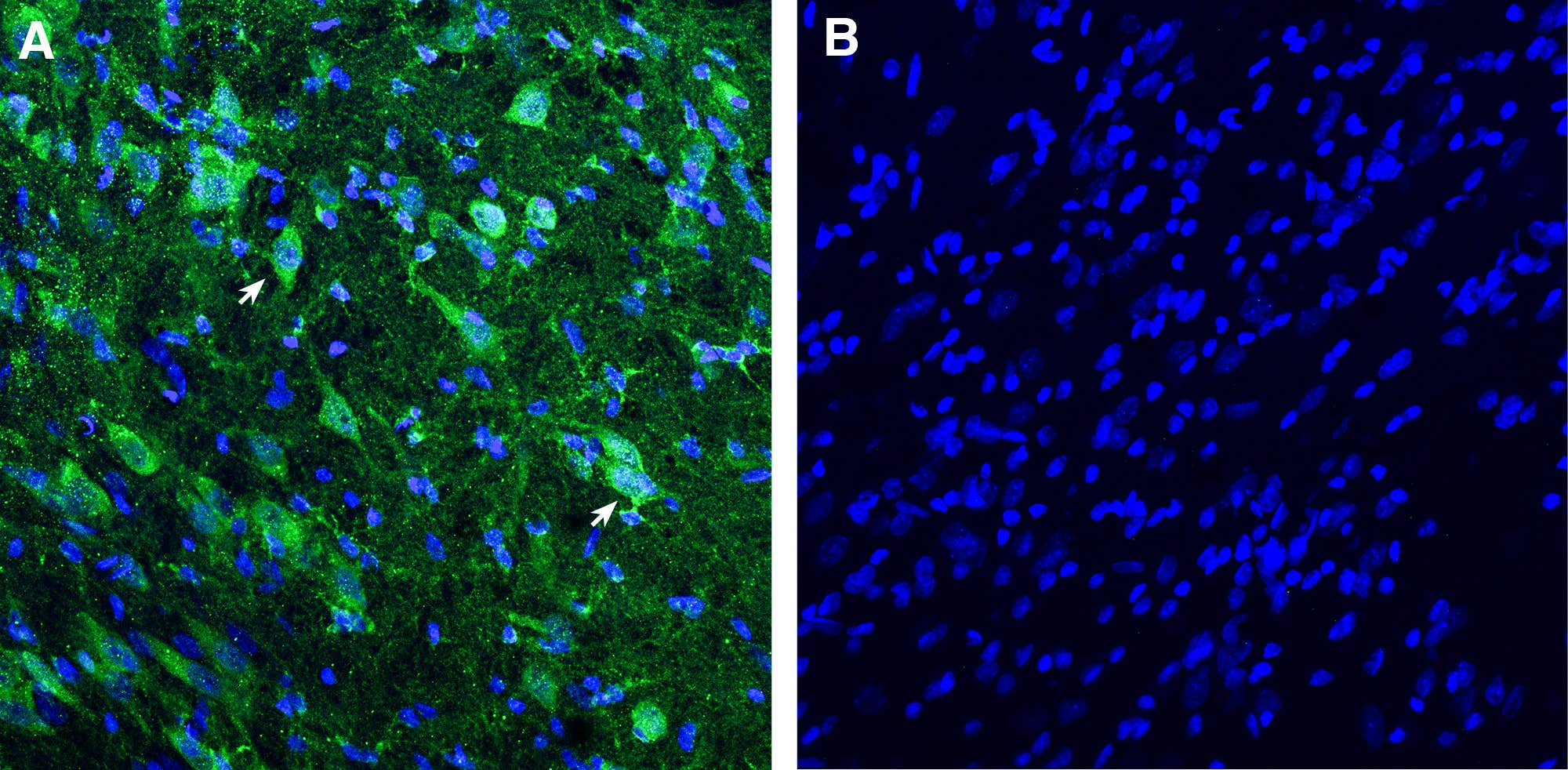 A rabbit polyclonal antibody to Oxytocin Receptor (extracellular)
- Product Code: AVR-014
- Short Description: A rabbit polyclonal antibody to Oxytocin Receptor (extracellular)
- Host: Rabbit
- Label: Unconjugated
- Reactivity: Human, Rat, Mouse
- Applications: Indirect flow cytometry, Western blot, Immunohistochemistry
- Target: OXTR, OT-R, OTR1
-
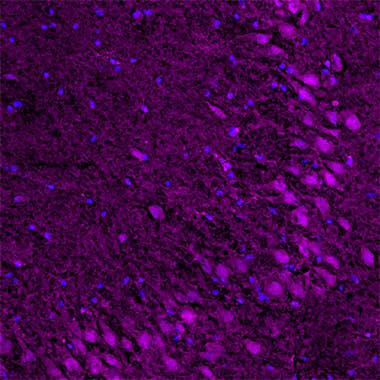
 A biotinylated probe for selective detection and imaging of acetylcholinesterase (AChE) using streptavidin-based methods
- Product Code: F-225-B
- Short Description: A biotinylated probe for selective detection and imaging of acetylcholinesterase (AChE) using streptavidin-based methods
- Label: Biotin
- Applications: Bioactive signaling, Cell Culture, In vitro, In vivo, Neurotransmitter Release Assays, Fluorescence staining, Live cell imaging, Immunofluorescence, Indirect flow cytometry, Western blot, Acetylcholinesterase (AChE) activity, Synaptic recording
- MW: ~7527 Da
-
 Human CFTR protein, overexpressed in Xenopus oocytes, used as a positive control for Western blot analysis.
- Product Code: XB-021
- Short Description: Human CFTR protein, overexpressed in Xenopus oocytes, used as a positive control for Western blot analysis.
- Applications: Western blot
-
 CaV3.2 (human CACNA1H) protein, overexpressed in Xenopus oocytes, used as a positive control for Western blot analysis.
- Product Code: XB-018
- Short Description: CaV3.2 (human CACNA1H) protein, overexpressed in Xenopus oocytes, used as a positive control for Western blot analysis.
- Applications: Western blot
-
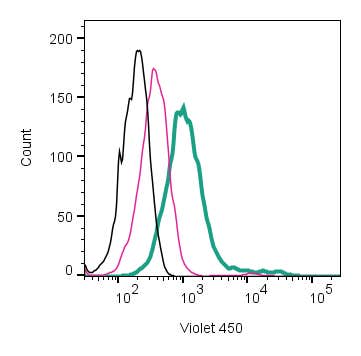 A Rabbit Polyclonal Antibody to Monocarboxylate Transporter 1 conjugated to mFluor™ Violet 450 fluorophore
- Product Code: AMT-011-V
- Short Description: A Rabbit Polyclonal Antibody to Monocarboxylate Transporter 1 conjugated to mFluor™ Violet 450 fluorophore
- Host: Rabbit
- Label: mFluor™ Violet 450
- Reactivity: Human, Rat, Mouse
- Applications: Flow cytometry
- Target: Monocarboxylate transporter 1, Monocarboxylic acid transporter 1
-
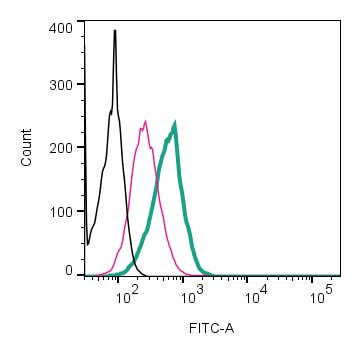 A Rabbit Polyclonal Antibody to Corticotropin-Releasing Factor Receptor 2 Conjugated to the Fluorescent Dye FITC
- Product Code: ACR-052-F
- Short Description: A Rabbit Polyclonal Antibody to Corticotropin-Releasing Factor Receptor 2 Conjugated to the Fluorescent Dye FITC
- Host: Rabbit
- Label: FITC
- Reactivity: Human, Rat, Mouse
- Applications: Flow cytometry
- Target: Corticotropin-releasing factor receptor 2, CRF-R-2, CRF2 receptor beta isoform, Corticotropin-releasing hormone receptor 2, CRH receptor 2 variant B
-
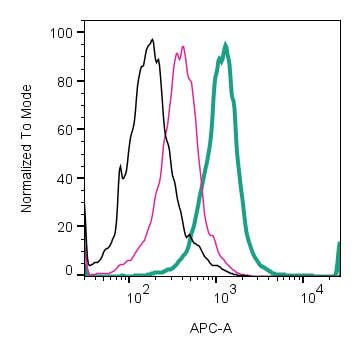 A Rabbit Polyclonal Antibody to Adenosine A2A Receptor Conjugated to the Allophycocyanin (APC) fluorophore
- Product Code: AAR-008-APC
- Short Description: A Rabbit Polyclonal Antibody to Adenosine A2A Receptor Conjugated to the Allophycocyanin (APC) fluorophore
- Host: Rabbit
- Label: APC
- Reactivity: Rat, Mouse
- Applications: Flow cytometry
- Target: ADORA2A, A2AAR, Adenosine A2aR
-
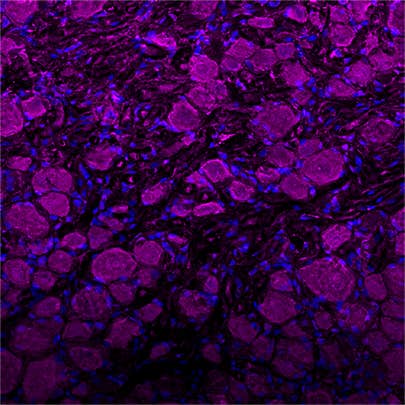 A fluorescent recombinant human BDNF for highly sensitive detection of TrkB/p75NTR receptors, live-cell imaging, neuronal development, and synaptic plasticity studies
- Product Code: B-250-FRN
- Short Description: A fluorescent recombinant human BDNF for highly sensitive detection of TrkB/p75NTR receptors, live-cell imaging, neuronal development, and synaptic plasticity studies
- Label: ATTO 647N
- Applications: Apoptosis assay, Cell-Based Assays, Ex vivo, In vivo, Survival assay, Direct flow cytometry, Fluorescence staining, Live cell imaging, Immunofluorescence, Western blot
- MW: 14134 Da
-
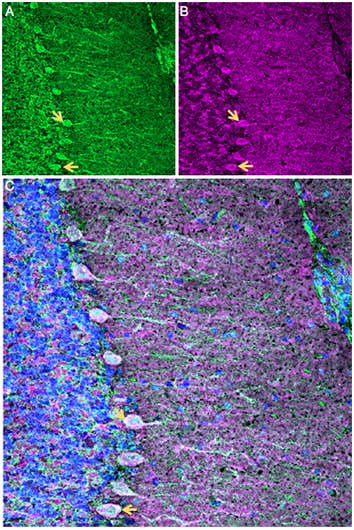 A fluorescent probe for highly specific imaging and detection of neuronal L-type (CaV1.2) calcium channels
- Product Code: SPC-500-FRN
- Short Description: A fluorescent probe for highly specific imaging and detection of neuronal L-type (CaV1.2) calcium channels
- Label: ATTO 647N
- Applications: Electrophysiology, Direct flow cytometry, Fluorescence staining, Live cell imaging, Immunofluorescence
- MW: ~7978 Da
-
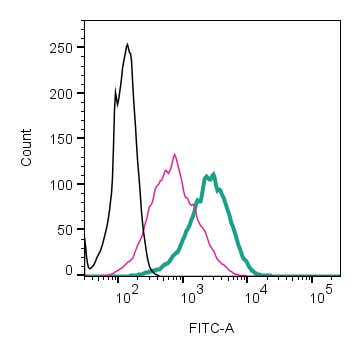 A rabbit polyclonal antibody to GPR83 Conjugated to the Fluorescent Dye FITC
- Product Code: AGR-053-F
- Short Description: A rabbit polyclonal antibody to GPR83 Conjugated to the Fluorescent Dye FITC
- Host: Rabbit
- Label: FITC
- Reactivity: Human, Rat, Mouse
- Applications: Flow cytometry
- Target: G-protein coupled receptor 83, G-protein coupled receptor 72, GPR72, Glucocorticoid induced receptor, GIR
Loading...