-
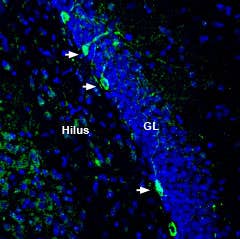
 A Rabbit Polyclonal Antibody to Glucose Transporter 5
- Product Code: AGT-025
- Short Description: A Rabbit Polyclonal Antibody to Glucose Transporter 5
- Host: Rabbit
- Label: Unconjugated
- Reactivity: Human, Rat, Mouse
- Applications: Western blot, Immunofluorescence, Immunohistochemistry
- Target: Glucose transporter 5, Facilitated glucose transporter member 5, Fructose transporter
-
 A Rabbit Polyclonal Antibody to Glucose Transporter 4 Conjugated to the Fluorescent Dye ATTO-594
- Product Code: AGT-024-AR
- Short Description: A Rabbit Polyclonal Antibody to Glucose Transporter 4 Conjugated to the Fluorescent Dye ATTO-594
- Host: Rabbit
- Label: ATTO 594
- Reactivity: Human, Rat, Mouse
- Applications: Immunofluorescence, Immunohistochemistry
- Target: Glucose transporter 4, Facilitated glucose transporter member 4, Insulin-responsive glucose transporter type 4, SLC2A4
-
 A Rabbit Polyclonal Antibody to Glucose Transporter 4
- Product Code: AGT-024
- Short Description: A Rabbit Polyclonal Antibody to Glucose Transporter 4
- Host: Rabbit
- Label: Unconjugated
- Reactivity: Human, Rat, Mouse
- Applications: Western blot, Immunofluorescence, Immunohistochemistry
- Target: Glucose transporter 4, Facilitated glucose transporter member 4, Insulin-responsive glucose transporter type 4, SLC2A4
-
 A Rabbit Polyclonal Antibody to Glucose Transporter 3 Conjugated to the Fluorescent Dye FITC
- Product Code: AGT-023-F
- Short Description: A Rabbit Polyclonal Antibody to Glucose Transporter 3 Conjugated to the Fluorescent Dye FITC
- Host: Rabbit
- Label: FITC
- Reactivity: Rat, Mouse
- Applications: Flow cytometry
- Target: Glucose transporter 3, Facilitated glucose transporter member 3, SLC2A3
-
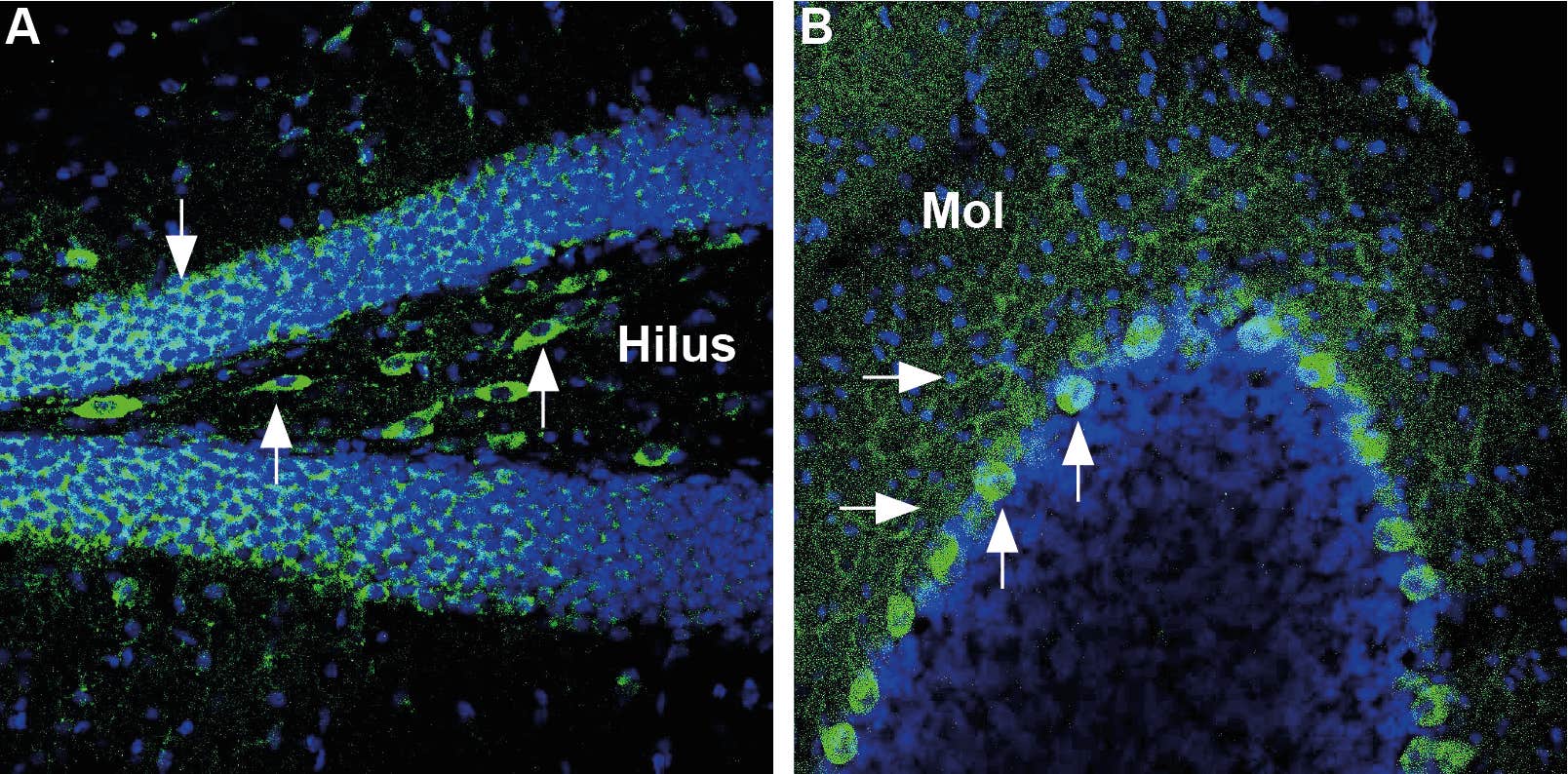 A Rabbit Polyclonal Antibody to Glucose Transporter 3
- Product Code: AGT-023
- Short Description: A Rabbit Polyclonal Antibody to Glucose Transporter 3
- Host: Rabbit
- Label: Unconjugated
- Reactivity: Rat, Mouse
- Applications: Indirect flow cytometry, Western blot, Immunofluorescence, Immunohistochemistry
- Target: Glucose transporter 3, Facilitated glucose transporter member 3, SLC2A3
-
 A Rabbit Polyclonal Antibody to Glucose Transporter 2 Conjugated to the Fluorescent Dye ATTO-488
- Product Code: AGT-022-AG
- Short Description: A Rabbit Polyclonal Antibody to Glucose Transporter 2 Conjugated to the Fluorescent Dye ATTO-488
- Host: Rabbit
- Label: ATTO 488
- Reactivity: Rat, Mouse
- Applications: Immunofluorescence, Immunohistochemistry
- Target: Glucose transporter 2, Facilitated glucose transporter member 2
-
 A Rabbit Polyclonal Antibody to Glucose Transporter 2
- Product Code: AGT-022
- Short Description: A Rabbit Polyclonal Antibody to Glucose Transporter 2
- Host: Rabbit
- Label: Unconjugated
- Reactivity: Human, Rat, Mouse
- Applications: Western blot, Immunofluorescence, Immunohistochemistry
- Target: Glucose transporter 2, Facilitated glucose transporter member 2
-
 A Rabbit Polyclonal Antibody to Glucose Transporter 1
- Product Code: AGT-021
- Short Description: A Rabbit Polyclonal Antibody to Glucose Transporter 1
- Host: Rabbit
- Label: Unconjugated
- Reactivity: Human, Rat, Mouse
- Applications: Western blot, Immunofluorescence, Immunohistochemistry
- Target: Glucose transporter 1, Facilitated glucose transporter member 1, SLC2A1
-
 A Rabbit Polyclonal Antibody to Creatine Transporter
- Product Code: AGT-008
- Short Description: A Rabbit Polyclonal Antibody to Creatine Transporter
- Host: Rabbit
- Label: Unconjugated
- Reactivity: Human, Rat, Mouse
- Applications: Western blot, Immunofluorescence, Immunohistochemistry
- Target: Creatine transporter, Sodium- and chloride-dependent creatine transporter 1, CT1, CRT, CHOT1
-
 A Rabbit Polyclonal Antibody to Taurine Transporter (SLC6A6)
- Product Code: AGT-006
- Short Description: A Rabbit Polyclonal Antibody to Taurine Transporter (SLC6A6)
- Host: Rabbit
- Label: Unconjugated
- Reactivity: Human, Rat, Mouse
- Applications: Western blot
- Target: Sodium- and chloride-dependent taurine transporter, TauT
Loading...