-
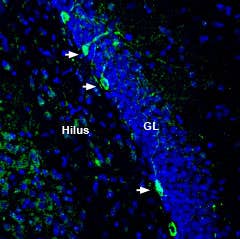
 A Rabbit Polyclonal Antibody to Anoctamin-6 Conjugated to the Fluorescent Dye FITC
- Product Code: ACL-016-F
- Short Description: A Rabbit Polyclonal Antibody to Anoctamin-6 Conjugated to the Fluorescent Dye FITC
- Host: Rabbit
- Label: FITC
- Reactivity: Human, Rat, Mouse
- Applications: Live cell imaging, Flow cytometry
- Target: ANO6, Transmembrane protein 16F, TMEM16F, Small-conductance calcium-activated nonselective cation channel, SCAN channel
-
 A Rabbit Polyclonal Antibody to Anoctamin-6 Channel
- Product Code: ACL-016
- Short Description: A Rabbit Polyclonal Antibody to Anoctamin-6 Channel
- Host: Rabbit
- Label: Unconjugated
- Reactivity: Human, Rat, Mouse
- Applications: Indirect flow cytometry, Live cell imaging, Western blot
- Target: ANO6, Transmembrane protein 16F, TMEM16F, Small-conductance calcium-activated nonselective cation channel, SCAN channel
-
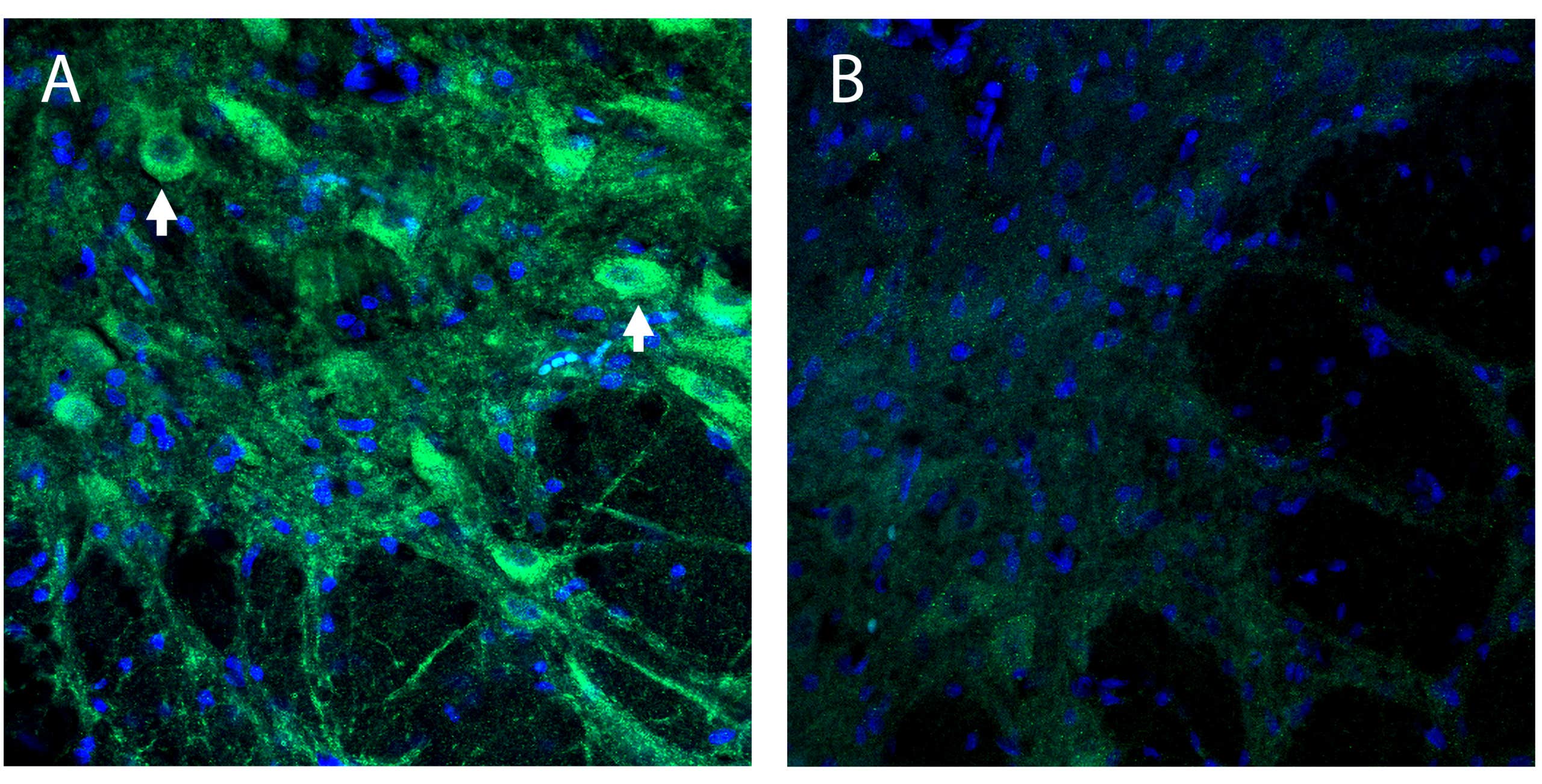 A Rabbit Polyclonal Antibody to Anoctamin-1 (TMEM16A) Channel
- Product Code: ACL-011
- Short Description: A Rabbit Polyclonal Antibody to Anoctamin-1 (TMEM16A) Channel
- Host: Rabbit
- Label: Unconjugated
- Reactivity: Rat, Mouse
- Applications: Indirect flow cytometry, Live cell imaging, Western blot, Immunofluorescence, Immunohistochemistry
- Target: Anoctamin-1, Transmembrane protein 16A, DOG-1, ORAOV2, TAOS2
-

 A Rabbit Polyclonal Antibody to Cystic Fibrosis Transmembrane Conductance Regulator
- Product Code: ACL-006
- Short Description: A Rabbit Polyclonal Antibody to Cystic Fibrosis Transmembrane Conductance Regulator
- Host: Rabbit
- Label: Unconjugated
- Reactivity: Human, Rat, Mouse
- Applications: Western blot, Immunocytochemistry, Immunofluorescence, Immunoprecipitation, Immunohistochemistry
- Target: Cystic fibrosis transmembrane conductance regulator, ATP-binding cassette sub-family C member 7, ABCC7, cAMP-dependent Cl- channel
-
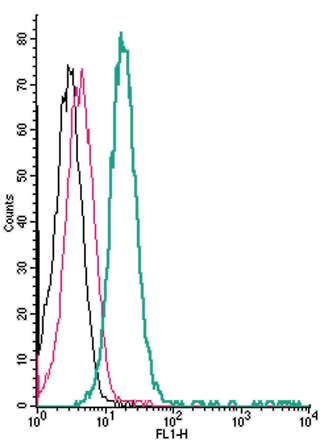 A Rabbit Polyclonal Antibody Human TRPV1 (extracellular) conjugated to the fluorescent dye FITC
- Product Code: ACC-334-F
- Short Description: A Rabbit Polyclonal Antibody Human TRPV1 (extracellular) conjugated to the fluorescent dye FITC
- Host: Rabbit
- Label: FITC
- Reactivity: Human
- Applications: Live cell imaging, Flow cytometry
- Target: Transient receptor potential cation channel subfamily V member 1, Capsaicin receptor, Vanilloid receptor 1, VR1, OTRPC1
-
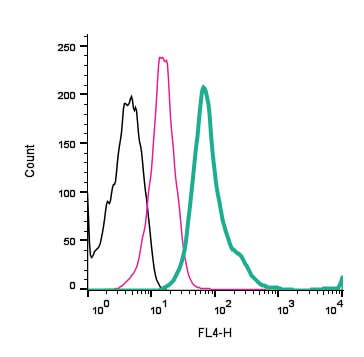 A Rabbit Polyclonal Antibody to Human TRPV1 (extracellular) conjugated to the fluorescent dye Allophycocyanin (APC)
- Product Code: ACC-334-APC
- Short Description: A Rabbit Polyclonal Antibody to Human TRPV1 (extracellular) conjugated to the fluorescent dye Allophycocyanin (APC)
- Host: Rabbit
- Label: APC
- Reactivity: Human
- Applications: Flow cytometry
- Target: Transient receptor potential cation channel subfamily V member 1, Capsaicin receptor, Vanilloid receptor 1, VR1, OTRPC1
-
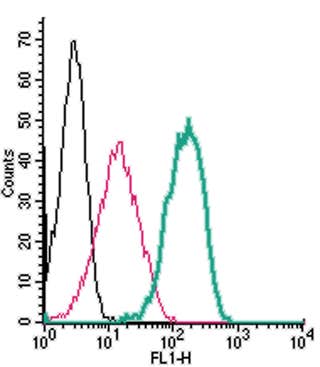 A Rabbit Polyclonal antibody to Human TRPV1 (extracellular)
- Product Code: ACC-334
- Short Description: A Rabbit Polyclonal antibody to Human TRPV1 (extracellular)
- Host: Rabbit
- Label: Unconjugated
- Reactivity: Human
- Applications: Indirect flow cytometry, Live cell imaging, Western blot
- Target: Transient receptor potential cation channel subfamily V member 1, Capsaicin receptor, Vanilloid receptor 1, VR1, OTRPC1
-
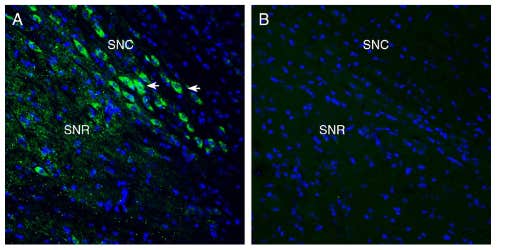 A Rabbit Polyclonal Antibody to Mitochondrial Calcium Uniporter
- Product Code: ACC-328
- Short Description: A Rabbit Polyclonal Antibody to Mitochondrial Calcium Uniporter
- Host: Rabbit
- Label: Unconjugated
- Reactivity: Human, Rat, Mouse
- Applications: Western blot, Immunohistochemistry
- Target: Mitochondrial calcium uniporter, HsMCU, Coiled-coil domain-containing protein 109A, Ccdc109a, C10orf42
-
 A Rabbit Polyclonal Antibody to CRAC Channel Regulator 2A
- Product Code: ACC-324
- Short Description: A Rabbit Polyclonal Antibody to CRAC Channel Regulator 2A
- Host: Rabbit
- Label: Unconjugated
- Reactivity: Human, Mouse
- Applications: Western blot
- Target: CRAC channel regulator 2A, Calcium release-activated calcium channel regulator 2A, EF-hand calcium-binding domain-containing protein 4B, EFC4B
-
 A Rabbit Polyclonal Antibody to Mitochondrial Calcium Uptake Protein 1 (CBARA1)
- Product Code: ACC-322
- Short Description: A Rabbit Polyclonal Antibody to Mitochondrial Calcium Uptake Protein 1 (CBARA1)
- Host: Rabbit
- Label: Unconjugated
- Reactivity: Rat, Mouse
- Applications: Western blot
- Target: Mitochondrial calcium uptake protein 1, Calcium-binding atopy-related autoantigen 1 homolog, ara CALC, CBARA1, MPXPS
Loading...