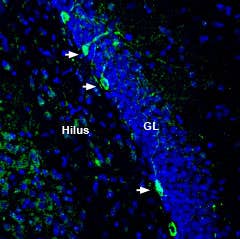
-
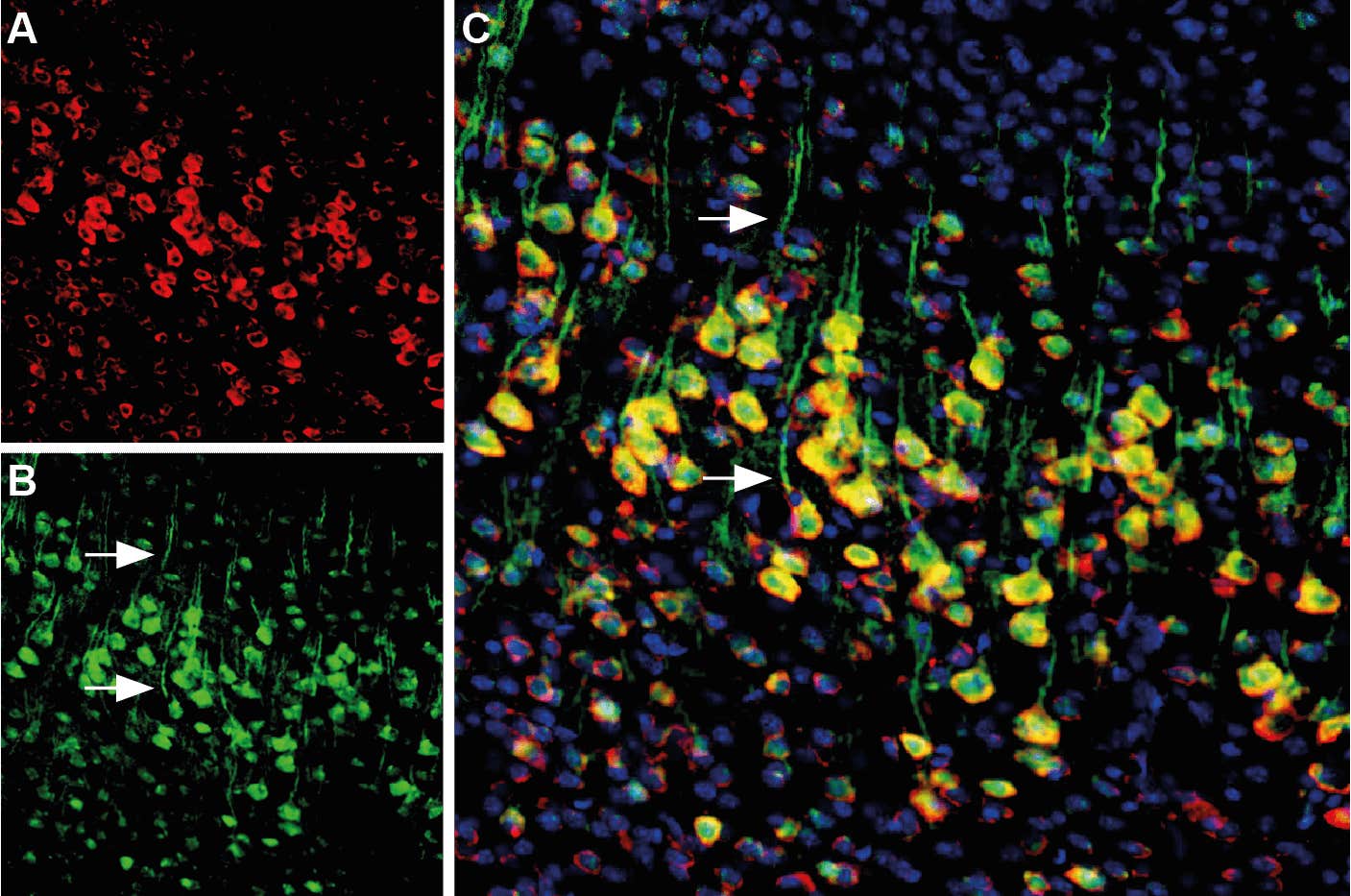 A Rabbit Polyclonal Antibody to Presenilin-1 Conjugated to the Fluorescent Dye ATTO-488
- Product Code: AIP-011-AG
- Short Description: A Rabbit Polyclonal Antibody to Presenilin-1 Conjugated to the Fluorescent Dye ATTO-488
- Host: Rabbit
- Label: ATTO 488
- Reactivity: Human, Rat, Mouse
- Applications: Immunofluorescence, Immunohistochemistry
- Target: PSEN1, PS-1, Psnl1
-
 A Rabbit Polyclonal Antibody to Presenilin-1
- Product Code: AIP-011
- Short Description: A Rabbit Polyclonal Antibody to Presenilin-1
- Host: Rabbit
- Label: Unconjugated
- Reactivity: Human, Rat, Mouse
- Applications: Western blot, Immunofluorescence, Immunohistochemistry
- Target: PSEN1, PS-1, Psnl1
-

 A Rabbit Polyclonal Antibody to Sigma-1 Receptor
- Product Code: AIP-006
- Short Description: A Rabbit Polyclonal Antibody to Sigma-1 Receptor
- Host: Rabbit
- Label: Unconjugated
- Reactivity: Human, Rat, Mouse
- Applications: Western blot, Immunohistochemistry
- Target: SIGMAR1, OPRS1, Sigma non-opioid intracellular receptor 1, SIG-1R, Aging-associated gene 8 protein, SR31747-binding protein, SRBP
-
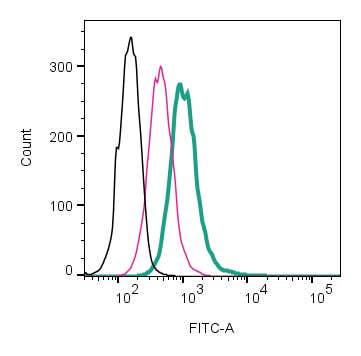 A Rabbit Polyclonal Antibody to GPR109A/HCAR2 (extracellular) conjugated to the fluorescent dye FITC
- Product Code: AHR-012-F
- Short Description: A Rabbit Polyclonal Antibody to GPR109A/HCAR2 (extracellular) conjugated to the fluorescent dye FITC
- Host: Rabbit
- Label: FITC
- Reactivity: Human, Rat, Mouse
- Applications: Live cell imaging, Flow cytometry
- Target: Hydroxycarboxylic Acid Receptor 2, Niacin Receptor 1, G-Protein Coupled Receptor HM74A, HM74A, Nicotinic acid receptor, PUMAG
-
 A Rabbit Polyclonal antibody to GPR109A/HCAR2 (extracellular)
- Product Code: AHR-012
- Short Description: A Rabbit Polyclonal antibody to GPR109A/HCAR2 (extracellular)
- Host: Rabbit
- Label: Unconjugated
- Reactivity: Human, Rat, Mouse
- Applications: Indirect flow cytometry, Live cell imaging, Western blot, Immunohistochemistry
- Target: Hydroxycarboxylic Acid Receptor 2, Niacin Receptor 1, G-Protein Coupled Receptor HM74A, HM74A, Nicotinic acid receptor, PUMAG
-
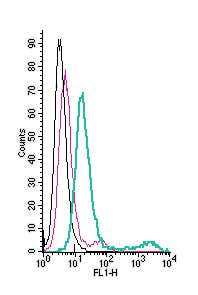 A Rabbit Polyclonal Antibody to H1R (extracellular) conjugated to the fluorescent dye FITC
- Product Code: AHR-006-F
- Short Description: A Rabbit Polyclonal Antibody to H1R (extracellular) conjugated to the fluorescent dye FITC
- Host: Rabbit
- Label: FITC
- Reactivity: Human, Rat, Mouse
- Applications: Flow cytometry
- Target: Histamine Receptor H1, H1R
-
 A Rabbit Polyclonal Antibody to Histamine H1 Receptor
- Product Code: AHR-006
- Short Description: A Rabbit Polyclonal Antibody to Histamine H1 Receptor
- Host: Rabbit
- Label: Unconjugated
- Reactivity: Human, Rat, Mouse
- Applications: Indirect flow cytometry, Live cell imaging, Western blot, Immunofluorescence, Immunohistochemistry
- Target: Histamine Receptor H1, H1R
-
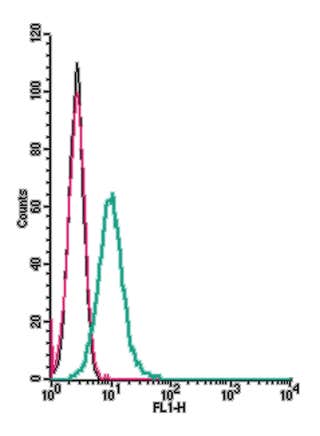 A Rabbit Polyclonal Antibody to Human Histamine H4 Receptor
- Product Code: AHR-004
- Short Description: A Rabbit Polyclonal Antibody to Human Histamine H4 Receptor
- Host: Rabbit
- Label: Unconjugated
- Reactivity: Human
- Applications: Indirect flow cytometry, Live cell imaging, Western blot
- Target: H4R, HH4R, G-protein coupled receptor 105, GPCR105, GPRv53, AXOR35
-
 A Rabbit Polyclonal Antibody to Histamine H2 Receptor
- Product Code: AHR-002
- Short Description: A Rabbit Polyclonal Antibody to Histamine H2 Receptor
- Host: Rabbit
- Label: Unconjugated
- Reactivity: Rat, Mouse
- Applications: Indirect flow cytometry, Live cell imaging, Western blot, Immunocytochemistry, Immunofluorescence, Immunohistochemistry
- Target: H2R, HH2R, Gastric receptor I, Gastric receptor 1
-
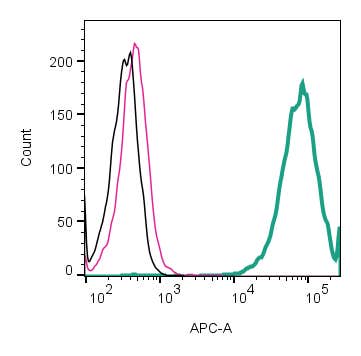 A rabbit polyclonal antibody to HVCN1 (extracellular)
- Product Code: AHC-002
- Short Description: A rabbit polyclonal antibody to HVCN1 (extracellular)
- Host: Rabbit
- Label: Unconjugated
- Reactivity: Rat, Mouse
- Applications: Indirect flow cytometry, Live cell imaging, Western blot
- Target: HVCN1
Loading...