-
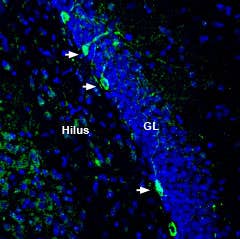
 A Rabbit Polyclonal Antibody to GPER1/GPR30
- Product Code: AER-049
- Short Description: A Rabbit Polyclonal Antibody to GPER1/GPR30
- Host: Rabbit
- Label: Unconjugated
- Reactivity: Human, Rat, Mouse
- Applications: Indirect flow cytometry, Western blot
- Target: G protein-coupled estrogen receptor 1, G protein-coupled receptor 30, Membrane estrogen receptor, Chemoattractant receptor-like 2, GPER
-
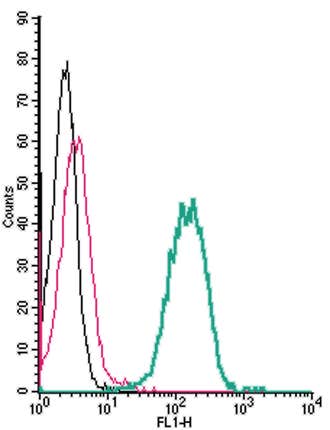 A Rabbit Polyclonal antibody to EphA4 (extracellular).
- Product Code: AER-044
- Short Description: A Rabbit Polyclonal antibody to EphA4 (extracellular).
- Host: Rabbit
- Label: Unconjugated
- Reactivity: Human, Rat, Mouse
- Applications: Indirect flow cytometry, Live cell imaging, Western blot
- Target: Ephrin Type-A Receptor 4, EPH-Like Kinase 8, EPHA4
-
 A Rabbit Polyclonal antibody to Ephrin-B2 (extracellular)
- Product Code: AER-042
- Short Description: A Rabbit Polyclonal antibody to Ephrin-B2 (extracellular)
- Host: Rabbit
- Label: Unconjugated
- Reactivity: Human, Rat, Mouse
- Applications: Western blot, Immunohistochemistry
- Target: EFNB2, EPH-Related Receptor Tyrosine Kinase Ligand 5, LERK5, HTK ligand, HTKL
-
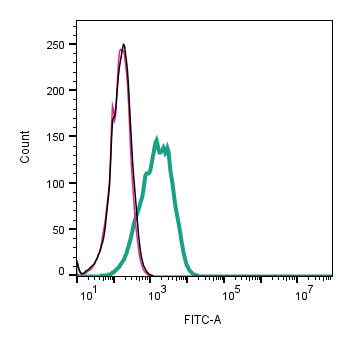 A Rabbit Polyclonal Antibody to Ephrin-B1
- Product Code: AER-041
- Short Description: A Rabbit Polyclonal Antibody to Ephrin-B1
- Host: Rabbit
- Label: Unconjugated
- Reactivity: Human, Rat
- Applications: Indirect flow cytometry, Live cell imaging, Western blot
- Target: EPH-related receptor tyrosine kinase ligand 2, LERK2, EFNB1
-
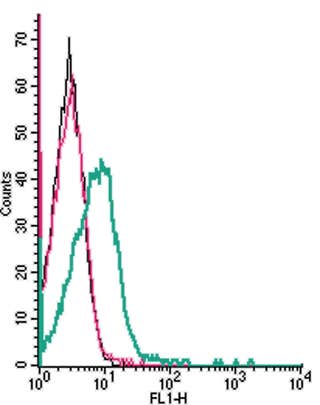 A Rabbit Polyclonal Antibody to Ephrin-A1
- Product Code: AER-031
- Short Description: A Rabbit Polyclonal Antibody to Ephrin-A1
- Host: Rabbit
- Label: Unconjugated
- Reactivity: Human, Rat, Mouse
- Applications: Indirect flow cytometry, Live cell imaging, Western blot, Immunocytochemistry, Immunofluorescence
- Target: EPH-related receptor tyrosine kinase ligand 1, LERK1, EFNA1
-
 A Rabbit Polyclonal Antibody to EphB4 Receptor
- Product Code: AER-024
- Short Description: A Rabbit Polyclonal Antibody to EphB4 Receptor
- Host: Rabbit
- Label: Unconjugated
- Reactivity: Human, Rat, Mouse
- Applications: Indirect flow cytometry, Live cell imaging, Western blot, Immunofluorescence, Immunohistochemistry
- Target: Ephrin type-B receptor 4, Eph receptor B4, Hepatoma transmembrane kinase, HTK
-
 A Rabbit Polyclonal Antibody to EphB1 Receptor
- Product Code: AER-021
- Short Description: A Rabbit Polyclonal Antibody to EphB1 Receptor
- Host: Rabbit
- Label: Unconjugated
- Reactivity: Human, Rat, Mouse
- Applications: Indirect flow cytometry, Live cell imaging, Western blot, Immunocytochemistry, Immunofluorescence
- Target: Ephrin type-B receptor 1, Eph receptor B1, Tyrosine-protein kinase receptor EPH-2
-
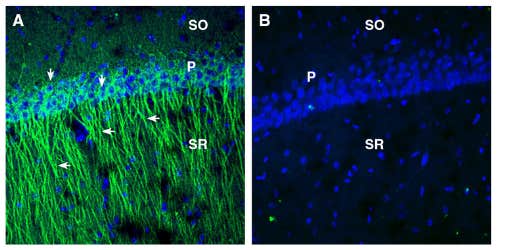 A Rabbit Polyclonal Antibody to EphA2 Receptor
- Product Code: AER-019
- Short Description: A Rabbit Polyclonal Antibody to EphA2 Receptor
- Host: Rabbit
- Label: Unconjugated
- Reactivity: Human, Rat, Mouse
- Applications: Indirect flow cytometry, Live cell imaging, Western blot, Immunohistochemistry
- Target: Ephrin type A receptor 2, EPH Receptor A2, Epithelial Cell Kinase, Tyrosine-Protein Kinase Receptor ECK, ECK, EPHA2
-
 A Rabbit Polyclonal Antibody to EphA3 Receptor
- Product Code: AER-013
- Short Description: A Rabbit Polyclonal Antibody to EphA3 Receptor
- Host: Rabbit
- Label: Unconjugated
- Reactivity: Human, Rat, Mouse
- Applications: Indirect flow cytometry, Live cell imaging, Western blot, Immunofluorescence, Immunohistochemistry
- Target: Ephrin type-A receptor 3, EPH-like kinase 4, EK4, Tyrosine-protein kinase TYRO4
-
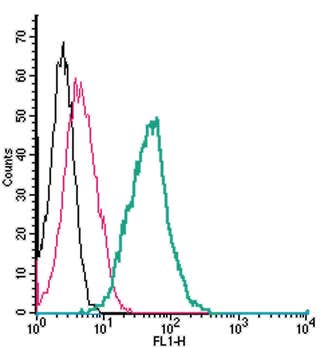 A Rabbit Polyclonal Antibody to EphA1 (extracellular) conjugated to the fluorescent dye FITC
- Product Code: AER-011-F
- Short Description: A Rabbit Polyclonal Antibody to EphA1 (extracellular) conjugated to the fluorescent dye FITC
- Host: Rabbit
- Label: FITC
- Reactivity: Human, Rat, Mouse
- Applications: Live cell imaging, Flow cytometry
- Target: Ephrin type-A receptor 1, Eph receptor A1, EPH tyrosine kinase 1, Tyrosine-protein kinase receptor EPH, EPHT1
Loading...