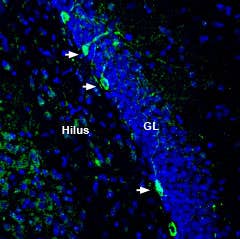
-

 A Rabbit Polyclonal Antibody to CaV3.2 (CACNA1H) Channel
- Product Code: ACC-025
- Short Description: A Rabbit Polyclonal Antibody to CaV3.2 (CACNA1H) Channel
- Host: Rabbit
- Label: Unconjugated
- Reactivity: Human, Rat, Mouse
- Applications: Western blot, Immunocytochemistry, Immunofluorescence, Immunoprecipitation, Immunohistochemistry
- Target: Voltage-dependent T-type calcium channel subunit α1H
-
 A Rabbit Polyclonal Antibody to Human CaV1.2 (CACNA1C) Channel
- Product Code: ACC-022
- Short Description: A Rabbit Polyclonal Antibody to Human CaV1.2 (CACNA1C) Channel
- Host: Rabbit
- Label: Unconjugated
- Reactivity: Human, Rat, Mouse
- Applications: Western blot, Immunocytochemistry, Immunofluorescence
- Target: Human α1C, Voltage-dependent L-type calcium channel subunit alpha-1C.
-
 A Rabbit Polyclonal Antibody to CACNA1G (CaV3.1) Conjugated to the Fluorescent Dye ATTO-594
- Product Code: ACC-021-AR
- Short Description: A Rabbit Polyclonal Antibody to CACNA1G (CaV3.1) Conjugated to the Fluorescent Dye ATTO-594
- Host: Rabbit
- Label: ATTO 594
- Reactivity: Human, Rat, Mouse
- Applications: Immunofluorescence, Immunohistochemistry
- Target: Voltage-dependent T-type calcium channel subunit α1G
-
 A Rabbit Polyclonal Antibody to CACNA1G (CaV3.1) Channel
- Product Code: ACC-021
- Short Description: A Rabbit Polyclonal Antibody to CACNA1G (CaV3.1) Channel
- Host: Rabbit
- Label: Unconjugated
- Reactivity: Human, Rat, Mouse
- Applications: Western blot, Immunocytochemistry, Immunofluorescence, Immunohistochemistry
- Target: Voltage-dependent T-type calcium channel subunit α1G
-
 A Rabbit Polyclonal Antibody to TRPC5 Channel
- Product Code: ACC-020
- Short Description: A Rabbit Polyclonal Antibody to TRPC5 Channel
- Host: Rabbit
- Label: Unconjugated
- Reactivity: Human, Rat, Mouse
- Applications: Western blot, Immunocytochemistry, Immunofluorescence, Immunoprecipitation, Immunohistochemistry
- Target: Short transient receptor potential channel 5, Transient receptor protein 5, TRP5
-
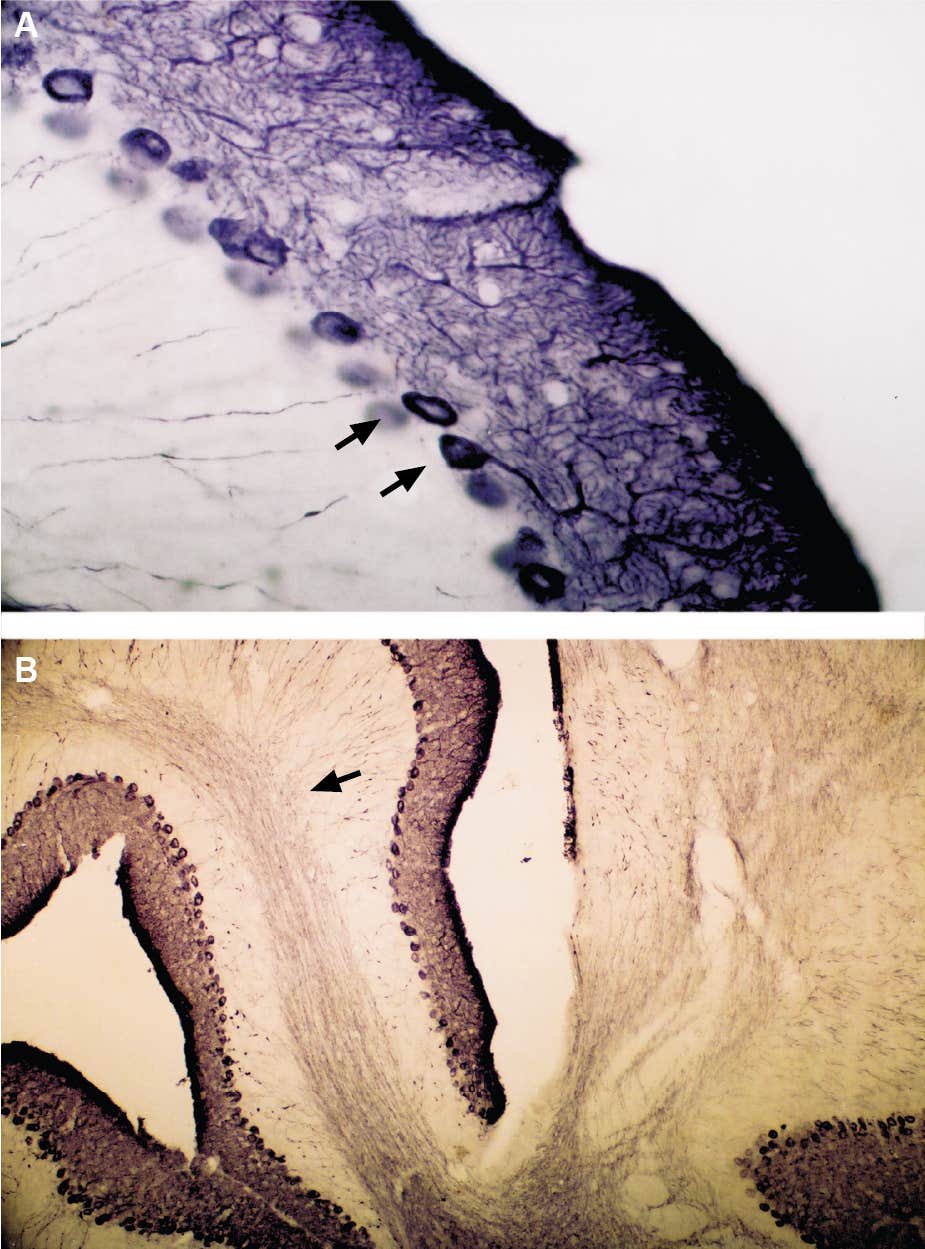 A Rabbit Polyclonal Antibody to IP3 Receptor-1
- Product Code: ACC-019
- Short Description: A Rabbit Polyclonal Antibody to IP3 Receptor-1
- Host: Rabbit
- Label: Unconjugated
- Reactivity: Human, Rat, Mouse
- Applications: Western blot, Immunocytochemistry, Immunofluorescence, Immunoprecipitation, Immunohistochemistry
- Target: Inositol 1,4,5-trisphosphate receptor type 1, IP3R1, InsP3R1
-
 A Rabbit Polyclonal Antibody to TRPC4 Channel
- Product Code: ACC-018
- Short Description: A Rabbit Polyclonal Antibody to TRPC4 Channel
- Host: Rabbit
- Label: Unconjugated
- Reactivity: Human, Rat, Mouse
- Applications: Western blot, Immunocytochemistry, Immunofluorescence, Immunoprecipitation, Immunohistochemistry
- Target: Transient receptor potential channel 4, TRP4, hTrp4, Capacitative calcium entry channel Trp4, CCE1
-
 A Guinea Pig Polyclonal Antibody to TRPC6 Channel
- Product Code: ACC-017-GP
- Short Description: A Guinea Pig Polyclonal Antibody to TRPC6 Channel
- Host: Guinea Pig
- Label: Unconjugated
- Reactivity: Rat, Mouse
- Applications: Western blot, Immunofluorescence, Immunohistochemistry
- Target: Short transient receptor potential channel 6, Transient receptor protein 6, TRP6
-
 A Rabbit Polyclonal Antibody to TRPC6 Channel
- Product Code: ACC-017
- Short Description: A Rabbit Polyclonal Antibody to TRPC6 Channel
- Host: Rabbit
- Label: Unconjugated
- Reactivity: Human, Rat, Mouse
- Applications: Indirect flow cytometry, Western blot, Immunocytochemistry, Immunofluorescence, Immunoprecipitation, Immunohistochemistry
- Target: Short transient receptor potential channel 6, Transient receptor protein 6, TRP6
-
 A Guinea Pig Polyclonal Antibody to TRPC3 Channel
- Product Code: ACC-016-GP
- Short Description: A Guinea Pig Polyclonal Antibody to TRPC3 Channel
- Host: Guinea Pig
- Label: Unconjugated
- Reactivity: Rat, Mouse
- Applications: Western blot, Immunohistochemistry
- Target: Short transient receptor potential channel 3, Transient receptor protein 3, TRP3
Loading...