-

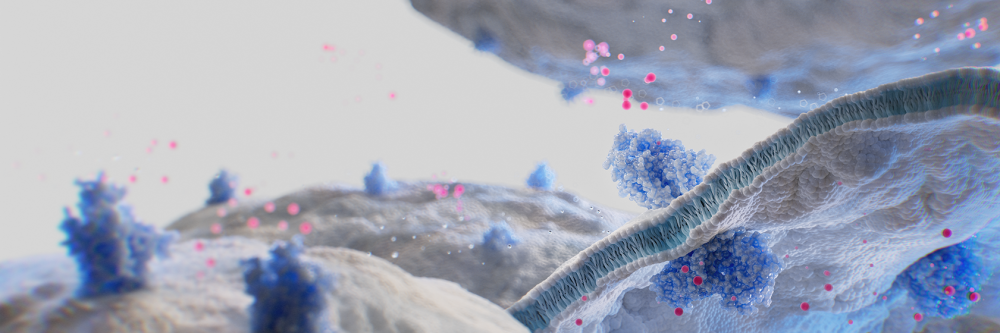
 A fluorescent probe for imaging and sensitive detection of KV1.3, KV1.1, and KV1.6 voltage-gated potassium channels
- Product Code: RTA-420-T
- Short Description: A fluorescent probe for imaging and sensitive detection of KV1.3, KV1.1, and KV1.6 voltage-gated potassium channels
- Label: TAMRA
- Applications: Electrophysiology, Fluorescence staining
- MW: 4673 Da
-
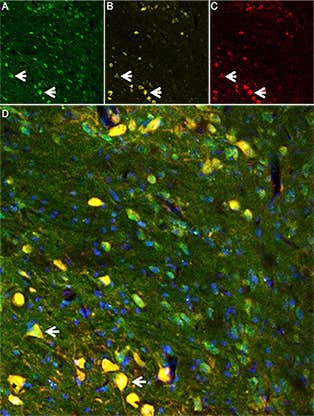 A fluorescent probe for imaging and sensitive detection of KCa2 potassium channels (SK channels)
- Product Code: STA-200-AG
- Short Description: A fluorescent probe for imaging and sensitive detection of KCa2 potassium channels (SK channels)
- Label: ATTO 488
- Applications: Electrophysiology, Direct flow cytometry, Fluorescence staining, Live cell imaging, Immunofluorescence
- MW: 2601 Da
-
 A biotinylated apamin for imaging and sensitive detection of KCa2 potassium channels (SK channels)
- Product Code: STA-200-B
- Short Description: A biotinylated apamin for imaging and sensitive detection of KCa2 potassium channels (SK channels)
- Label: Biotin
- Applications: Electrophysiology, Immunofluorescence
- MW: 2367 Da
-
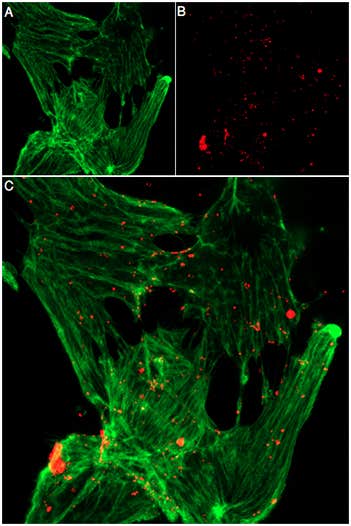 A fluorescent probe for imaging and sensitive detection of NaV sodium channels
- Product Code: STA-700-FRN
- Short Description: A fluorescent probe for imaging and sensitive detection of NaV sodium channels
- Label: ATTO 647N
- Applications: Electrophysiology, Direct flow cytometry, Fluorescence staining, Live cell imaging, Immunofluorescence
- MW: 5561 Da
-
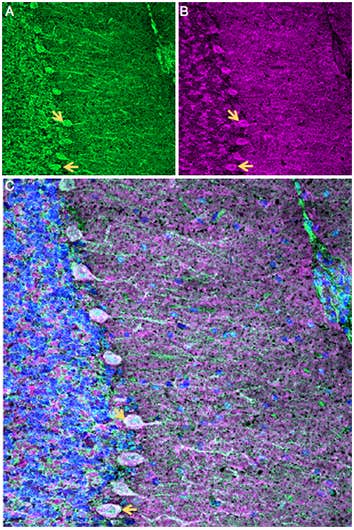 A fluorescent probe for highly specific imaging and detection of neuronal L-type (CaV1.2) calcium channels
- Product Code: SPC-500-FRN
- Short Description: A fluorescent probe for highly specific imaging and detection of neuronal L-type (CaV1.2) calcium channels
- Applications: Electrophysiology, Direct flow cytometry, Fluorescence staining, Live cell imaging, Immunofluorescence
- MW: ~7978 Da
-
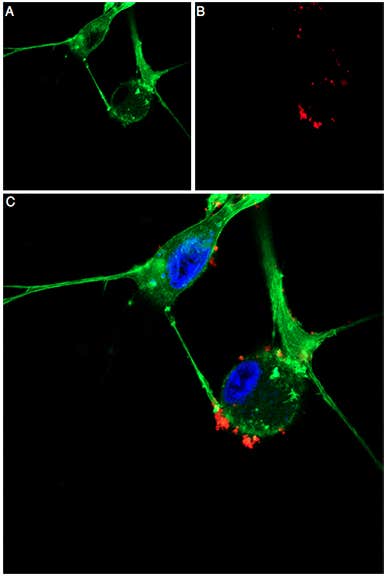 A fluorescent probe for imaging and sensitive detection of TRPV1 Channel
- Product Code: STD-010-FRN
- Short Description: A fluorescent probe for imaging and sensitive detection of TRPV1 Channel
- Label: ATTO 647N
- Applications: Direct flow cytometry, Fluorescence staining, Live cell imaging, Immunofluorescence
- MW: 9155 Da
-
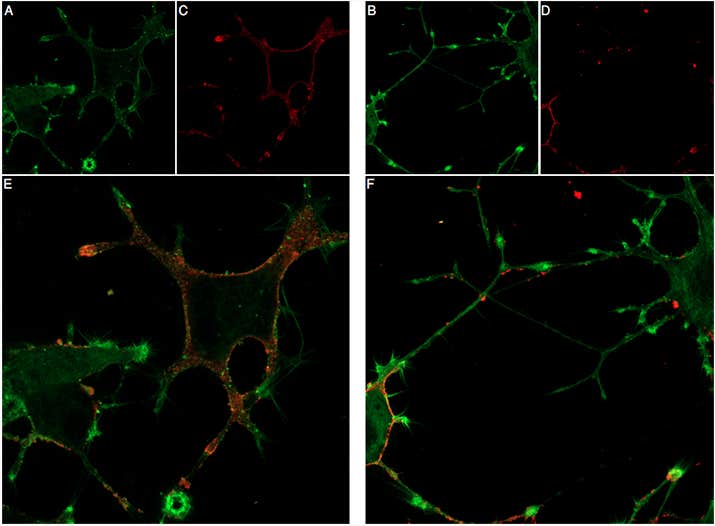 A fluorescent probe for imaging and sensitive detection of mechanosensitive ion channels (Piezo1, TRPC1, TRPC6) and NaV1.7 sodium channels
- Product Code: STG-100-FRN
- Short Description: A fluorescent probe for imaging and sensitive detection of mechanosensitive ion channels (Piezo1, TRPC1, TRPC6) and NaV1.7 sodium channels
- Label: ATTO 647N
- Applications: Electrophysiology, Direct flow cytometry, Fluorescence staining, Live cell imaging, Immunofluorescence
- MW: 4723 Da
-
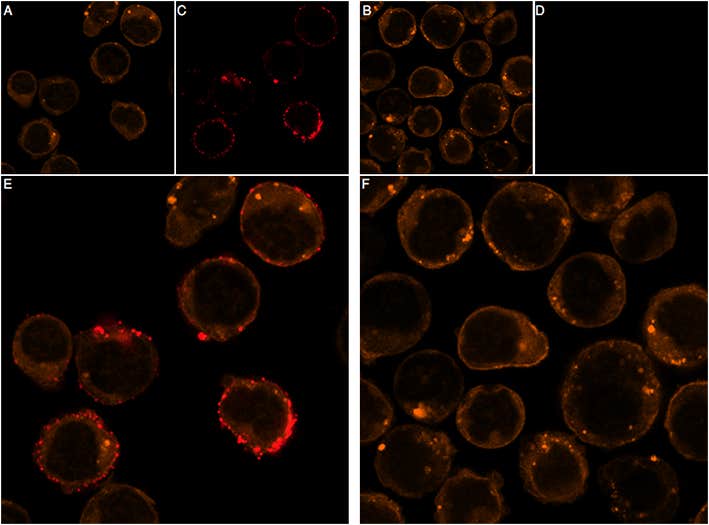 A biotinylated probe for the detection and imaging of mechanosensitive ion channels (Piezo1, TRPC1, TRPC6) and NaV1.7 sodium channels
- Product Code: STG-100-B
- Short Description: A biotinylated probe for the detection and imaging of mechanosensitive ion channels (Piezo1, TRPC1, TRPC6) and NaV1.7 sodium channels
- Label: Biotin
- Applications: Electrophysiology, Fluorescence staining, Live cell imaging, Immunofluorescence, Indirect flow cytometry
- MW: 4435 Da
-
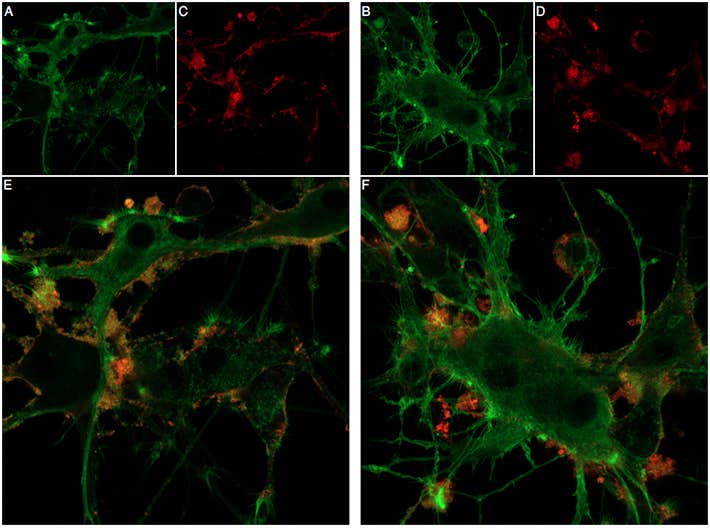 A fluorescent probe for imaging and sensitive detection of NaV1.1 voltage-gated sodium channels
- Product Code: STH-600-FRN
- Short Description: A fluorescent probe for imaging and sensitive detection of NaV1.1 voltage-gated sodium channels
- Label: ATTO 647N
- Applications: Electrophysiology, Direct flow cytometry, Fluorescence staining, Live cell imaging, Immunofluorescence
- MW: 4625 Da
-
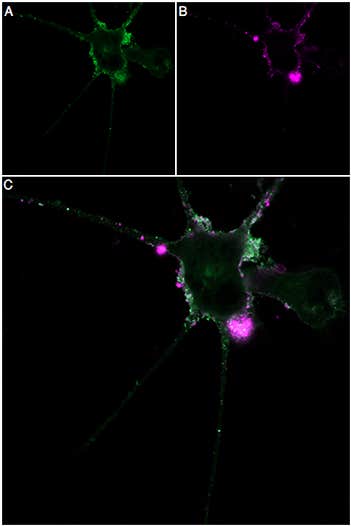 A fluorescent probe for imaging and sensitive detection of KCa1.1 (BK) K+ channels
- Product Code: STI-400-FRN
- Short Description: A fluorescent probe for imaging and sensitive detection of KCa1.1 (BK) K+ channels
- Label: ATTO 647N
- Applications: Electrophysiology, Direct flow cytometry, Fluorescence staining, Live cell imaging, Immunofluorescence
- MW: 4858 Da
Loading...