-
 A Rabbit Polyclonal Antibody to GFAP conjugated to the fluorescent dye ATTO Fluor-647N
- Product Code: AFP-001-FRN
- Short Description: A Rabbit Polyclonal Antibody to GFAP conjugated to the fluorescent dye ATTO Fluor-647N
- Host: Rabbit
- Label: ATTO 647N
- Reactivity: Rat, Mouse
- Applications: Immunocytochemistry, Immunohistochemistry
- Target: Glial fibrillary acidic protein
-
 A Rabbit Polyclonal Antibody to GDNF Family Receptor α1
- Product Code: ANT-021
- Short Description: A Rabbit Polyclonal Antibody to GDNF Family Receptor α1
- Host: Rabbit
- Label: Unconjugated
- Reactivity: Human, Rat, Mouse
- Applications: Live cell imaging, Western blot, Immunocytochemistry, Immunofluorescence, Immunohistochemistry
- Target: GFRA1, GFRα1, GDNF family receptor α1, GDNF receptor alpha 1, Ret ligand 1, RETL1, TRNR1
-
 A Rabbit Polyclonal Antibody to GDNF Family Receptor α3
- Product Code: ANT-023
- Short Description: A Rabbit Polyclonal Antibody to GDNF Family Receptor α3
- Host: Rabbit
- Label: Unconjugated
- Reactivity: Rat, Mouse
- Applications: Western blot
- Target: GFRA3, GFRα3, GDNF family receptor α3, GDNF receptor alpha 3
-
 A Rabbit Polyclonal Antibody to GDNF Family Receptor α4
- Product Code: ANT-024
- Short Description: A Rabbit Polyclonal Antibody to GDNF Family Receptor α4
- Host: Rabbit
- Label: Unconjugated
- Reactivity: Rat, Mouse
- Applications: Live cell imaging, Western blot, Immunocytochemistry, Immunofluorescence, Immunohistochemistry
- Target: GFRA4, GFRα4, GDNF family receptor α4, GDNF receptor alpha 4, Persephin receptor
-
 A Rabbit Polyclonal antibody to GFRAL
- Product Code: ANT-029
- Short Description: A Rabbit Polyclonal antibody to GFRAL
- Host: Rabbit
- Label: Unconjugated
- Reactivity: Rat, Mouse
- Applications: Western blot, Immunohistochemistry
- Target: GDNF Family Receptor Alpha-Like
-
 A Rabbit Polyclonal Antibody to GIPC1
- Product Code: APZ-045
- Short Description: A Rabbit Polyclonal Antibody to GIPC1
- Host: Rabbit
- Label: Unconjugated
- Reactivity: Human, Rat, Mouse
- Applications: Western blot, Immunofluorescence, Immunohistochemistry
- Target: PDZ domain-containing protein GIPC1, GIPC, GAIP C-terminus-interacting protein, RGS-GAIP-interacting protein, Synectin, NIP, TIP-2
-
 A Rabbit Polyclonal Antibody to Glucose Transporter 2
- Product Code: AGT-022
- Short Description: A Rabbit Polyclonal Antibody to Glucose Transporter 2
- Host: Rabbit
- Label: Unconjugated
- Reactivity: Human, Rat, Mouse
- Applications: Western blot, Immunofluorescence, Immunohistochemistry
- Target: Glucose transporter 2, Facilitated glucose transporter member 2
-
 A Rabbit Polyclonal Antibody to Glucose Transporter 2 Conjugated to the Fluorescent Dye ATTO-488
- Product Code: AGT-022-AG
- Short Description: A Rabbit Polyclonal Antibody to Glucose Transporter 2 Conjugated to the Fluorescent Dye ATTO-488
- Host: Rabbit
- Label: ATTO 488
- Reactivity: Rat, Mouse
- Applications: Immunofluorescence, Immunohistochemistry
- Target: Glucose transporter 2, Facilitated glucose transporter member 2
-
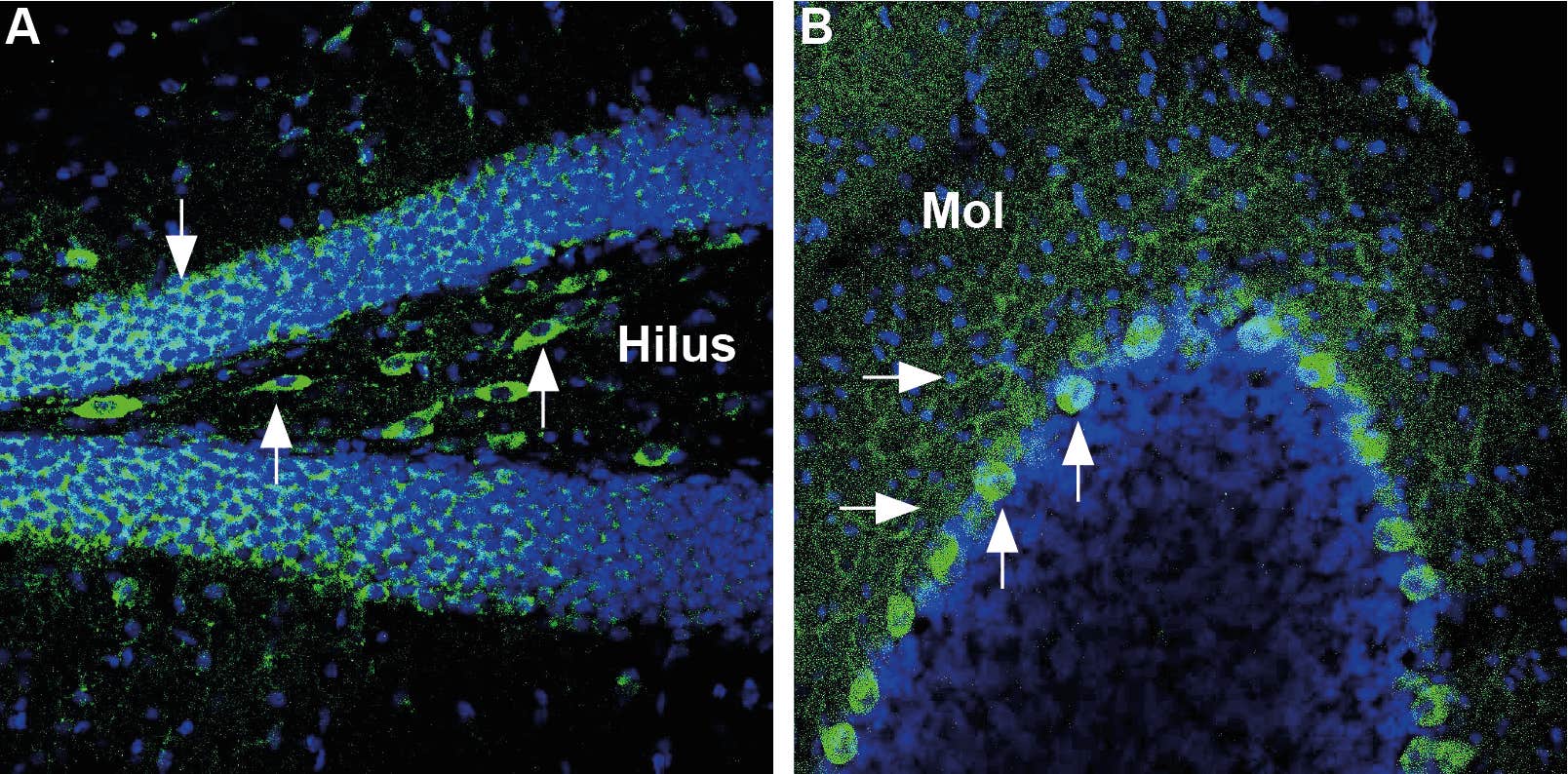 A Rabbit Polyclonal Antibody to Glucose Transporter 3
- Product Code: AGT-023
- Short Description: A Rabbit Polyclonal Antibody to Glucose Transporter 3
- Host: Rabbit
- Label: Unconjugated
- Reactivity: Rat, Mouse
- Applications: Indirect flow cytometry, Western blot, Immunofluorescence, Immunohistochemistry
- Target: Glucose transporter 3, Facilitated glucose transporter member 3, SLC2A3
-
 A Rabbit Polyclonal Antibody to Glucose Transporter 3 Conjugated to the Fluorescent Dye FITC
- Product Code: AGT-023-F
- Short Description: A Rabbit Polyclonal Antibody to Glucose Transporter 3 Conjugated to the Fluorescent Dye FITC
- Host: Rabbit
- Label: FITC
- Reactivity: Rat, Mouse
- Applications: Flow cytometry
- Target: Glucose transporter 3, Facilitated glucose transporter member 3, SLC2A3
Loading...