-
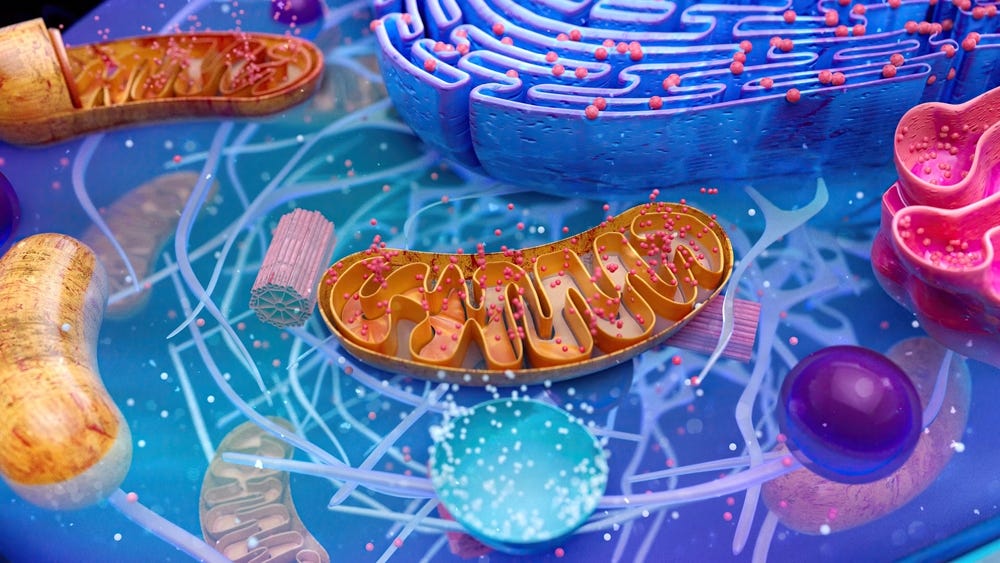
 A Rabbit Polyclonal Antibody to Mitochondrial Calcium Uptake Protein 1 (CBARA1)
- Product Code: ACC-322
- Short Description: A Rabbit Polyclonal Antibody to Mitochondrial Calcium Uptake Protein 1 (CBARA1)
- Host: Rabbit
- Label: Unconjugated
- Reactivity: Rat, Mouse
- Applications: Western blot
- Target: Mitochondrial calcium uptake protein 1, Calcium-binding atopy-related autoantigen 1 homolog, ara CALC, CBARA1, MPXPS
-
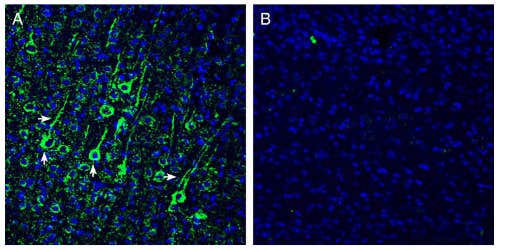 A Rabbit Polyclonal Antibody to N-Cadherin
- Product Code: ANR-082
- Short Description: A Rabbit Polyclonal Antibody to N-Cadherin
- Host: Rabbit
- Label: Unconjugated
- Reactivity: Human, Rat, Mouse
- Applications: Western blot, Immunohistochemistry
- Target: Cadherin 2, Neural cadherin, CDH2, NCAD, CDHN, CD325, Calcium-dependent adhesion protein neuronal
-
 A Rabbit Polyclonal Antibody to N-Cadherin Conjugated to the Fluorescent Dye ATTO-594
- Product Code: ANR-082-AR
- Short Description: A Rabbit Polyclonal Antibody to N-Cadherin Conjugated to the Fluorescent Dye ATTO-594
- Host: Rabbit
- Label: ATTO 594
- Reactivity: Human, Rat, Mouse
- Applications: Immunofluorescence, Immunohistochemistry
- Target: Cadherin 2, Neural cadherin, CDH2, NCAD, CDHN, CD325, Calcium-dependent adhesion protein neuronal
-
 A Rabbit Polyclonal Antibody to Nectin-2/PVRL2
- Product Code: ANR-052
- Short Description: A Rabbit Polyclonal Antibody to Nectin-2/PVRL2
- Host: Rabbit
- Label: Unconjugated
- Reactivity: Human, Rat, Mouse
- Applications: Indirect flow cytometry, Live cell imaging, Western blot, Immunofluorescence, Immunohistochemistry
- Target: Poliovirus receptor-related protein 2, Herpes virus entry mediator B, PRR2, PVRR2, CD112
-
 A Rabbit Polyclonal antibody to Neogenin (extracellular)
- Product Code: ANR-195
- Short Description: A Rabbit Polyclonal antibody to Neogenin (extracellular)
- Host: Rabbit
- Label: Unconjugated
- Reactivity: Human, Rat, Mouse
- Applications: Indirect flow cytometry, Live cell imaging, Western blot, Immunohistochemistry
- Target: Neogenin 1, NEO1, NGN
-
 A Rabbit Polyclonal Antibody to Neogenin (extracellular) conjugated to the fluorescent dye FITC
- Product Code: ANR-195-F
- Short Description: A Rabbit Polyclonal Antibody to Neogenin (extracellular) conjugated to the fluorescent dye FITC
- Host: Rabbit
- Label: FITC
- Reactivity: Human, Rat, Mouse
- Applications: Live cell imaging, Flow cytometry
- Target: Neogenin 1, NEO1, NGN, NTN1R2
-
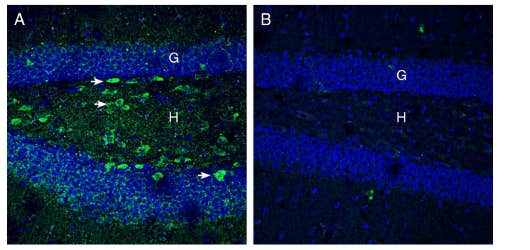 A Rabbit Polyclonal Antibody to Netrin-1
- Product Code: ANR-121
- Short Description: A Rabbit Polyclonal Antibody to Netrin-1
- Host: Rabbit
- Label: Unconjugated
- Reactivity: Human, Rat, Mouse
- Applications: Western blot, Immunohistochemistry
- Target: NTN1, MRMV4
-
 A Rabbit Polyclonal Antibody to Neurofascin
- Product Code: AIP-025
- Short Description: A Rabbit Polyclonal Antibody to Neurofascin
- Host: Rabbit
- Label: Unconjugated
- Reactivity: Human, Rat, Mouse
- Applications: Western blot, Immunohistochemistry
- Target: NFASC, NRCAML, NF
-
 A Rabbit Polyclonal antibody to Neuronal Pentraxin 1 (NPTX1)
- Product Code: ANR-191
- Short Description: A Rabbit Polyclonal antibody to Neuronal Pentraxin 1 (NPTX1)
- Host: Rabbit
- Label: Unconjugated
- Reactivity: Human, Rat, Mouse
- Applications: Western blot, Immunohistochemistry
- Target: Neuronal Pentraxin-1, NP1
-
 A Rabbit Polyclonal antibody to Neuronal Pentraxin 2 (NPTX2)
- Product Code: ANR-192
- Short Description: A Rabbit Polyclonal antibody to Neuronal Pentraxin 2 (NPTX2)
- Host: Rabbit
- Label: Unconjugated
- Reactivity: Human, Rat, Mouse
- Applications: Western blot, Immunohistochemistry
- Target: Neuronal Pentraxin-2, NP2, Neuronal Activity-Regulated Pentaxin, NARP
Loading...