-
 A Rabbit Polyclonal antibody to SLC38A2 (SNAT2) Transporter
- Product Code: ANT-185
- Short Description: A Rabbit Polyclonal antibody to SLC38A2 (SNAT2) Transporter
- Host: Rabbit
- Label: Unconjugated
- Reactivity: Human, Rat, Mouse
- Applications: Western blot, Immunohistochemistry
- Target: Solute Carrier Family 38 Member 2, Sodium-Coupled Neutral Amino Acid Transporter 2, System A Amino Acid Transporter 2, System N Amino Acid Transporter 2, SAT2
-
 A Rabbit Polyclonal antibody to SLC38A9
- Product Code: ANT-189
- Short Description: A Rabbit Polyclonal antibody to SLC38A9
- Host: Rabbit
- Label: Unconjugated
- Reactivity: Human, Rat, Mouse
- Applications: Western blot, Immunohistochemistry
- Target: Sodium-Coupled Neutral Amino Acid Transporter 9, Solute Carrier Family 38 Member 9, Up-Regulated In Lung Cancer 11, URLC11
-
 A Rabbit Polyclonal antibody to CALHM2 (extracellular)
- Product Code: ANT-192
- Short Description: A Rabbit Polyclonal antibody to CALHM2 (extracellular)
- Host: Rabbit
- Label: Unconjugated
- Reactivity: Human, Rat, Mouse
- Applications: Indirect flow cytometry, Live cell imaging, Western blot, Immunohistochemistry
- Target: Solute Carrier Family 3 Member 2, 4F2 Cell-Surface Antigen Heavy Chain, 4F2HC, CD98 Antigen Heavy Chain, CD98HC
-
 A Rabbit Polyclonal Antibody to NBC1 Transporter
- Product Code: ANT-075
- Short Description: A Rabbit Polyclonal Antibody to NBC1 Transporter
- Host: Rabbit
- Label: Unconjugated
- Reactivity: Rat, Mouse
- Applications: Live cell imaging, Western blot, Immunocytochemistry, Immunofluorescence, Immunohistochemistry
- Target: Electrogenic sodium bicarbonate cotransporter 1, NBCe1, NBC-like protein, Na+/HCO3- cotransporter
-
 A Rabbit Polyclonal antibody to SLIT1
- Product Code: ANR-221
- Short Description: A Rabbit Polyclonal antibody to SLIT1
- Host: Rabbit
- Label: Unconjugated
- Reactivity: Human, Rat, Mouse
- Applications: Western blot, Immunohistochemistry
- Target: Slit Guidance Ligand 1, Slit Homolog 1 Protein, Multiple EGF-Like Domains Protein 4, MEGF4
-
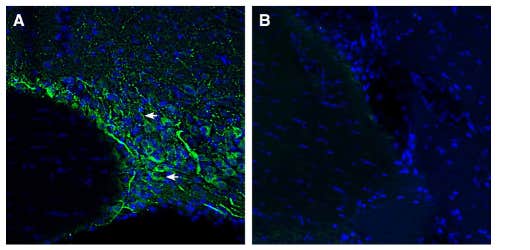 A Rabbit Polyclonal Antibody to SMCT1 (SLC5A8) Transporter
- Product Code: AGT-036
- Short Description: A Rabbit Polyclonal Antibody to SMCT1 (SLC5A8) Transporter
- Host: Rabbit
- Label: Unconjugated
- Reactivity: Human, Rat, Mouse
- Applications: Western blot, Immunohistochemistry
- Target: Sodium-Coupled Monocarboxylate Transporter 1, Solute Carrier Family 5 Member 8, Apical Iodide Transporter, AIT
-
 A Rabbit Polyclonal Antibody to SNAP-25
- Product Code: ANR-001
- Short Description: A Rabbit Polyclonal Antibody to SNAP-25
- Host: Rabbit
- Label: Unconjugated
- Reactivity: Human, Rat, Mouse
- Applications: Western blot, Immunofluorescence, Immunohistochemistry
- Target: Synaptosomal-associated protein 25 kD
-
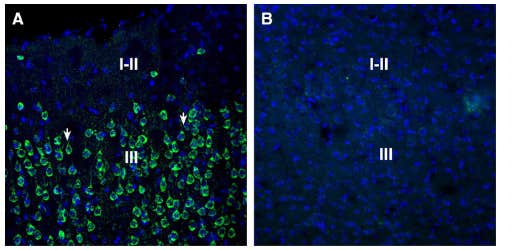 A Rabbit Polyclonal Antibody to SORL1 Receptor
- Product Code: ANR-132
- Short Description: A Rabbit Polyclonal Antibody to SORL1 Receptor
- Host: Rabbit
- Label: Unconjugated
- Reactivity: Human, Rat, Mouse
- Applications: Indirect flow cytometry, Western blot, Immunohistochemistry
- Target: Sortilin Related Receptor 1, Low-Density Lipoprotein Receptor relative with 11 Ligand-Binding Repeats, LR11, Sorting Protein-Related Receptor Containing LDLR Class A Repeats, SORLA
-

 A Rabbit Polyclonal Antibody to STIM1
- Product Code: ACC-063
- Short Description: A Rabbit Polyclonal Antibody to STIM1
- Host: Rabbit
- Label: Unconjugated
- Reactivity: Human, Rat, Mouse
- Applications: Indirect flow cytometry, Live cell imaging, Western blot, Immunocytochemistry, Immunofluorescence, Immunoprecipitation, Immunohistochemistry
- Target: Stromal interaction molecule 1, GOK
-
 A Rabbit Polyclonal Antibody to STIM1 Conjugated to the Fluorescent Dye ATTO-550
- Product Code: ACC-063-AO
- Short Description: A Rabbit Polyclonal Antibody to STIM1 Conjugated to the Fluorescent Dye ATTO-550
- Host: Rabbit
- Label: ATTO 550
- Reactivity: Human, Rat, Mouse
- Applications: Live cell imaging, Immunocytochemistry, Immunofluorescence, Flow cytometry, Immunohistochemistry
- Target: Stromal interaction molecule 1, GOK
Loading...