-
 A Rabbit Polyclonal Antibody to CNTF
- Product Code: ANT-031
- Short Description: A Rabbit Polyclonal Antibody to CNTF
- Host: Rabbit
- Label: Unconjugated
- Reactivity: Human, Rat, Mouse
- Applications: Western blot, Immunocytochemistry, Immunofluorescence, Immunohistochemistry
- Target: Ciliary neurotrophic factor
-
 A Rabbit Polyclonal Antibody to Connexin-26
- Product Code: ACC-212
- Short Description: A Rabbit Polyclonal Antibody to Connexin-26
- Host: Rabbit
- Label: Unconjugated
- Reactivity: Human, Rat, Mouse
- Applications: Western blot, Immunocytochemistry, Immunofluorescence, Immunohistochemistry
- Target: CX26, Gap junction β2 protein
-

 A Rabbit Polyclonal Antibody to Connexin-43
- Product Code: ACC-201
- Short Description: A Rabbit Polyclonal Antibody to Connexin-43
- Host: Rabbit
- Label: Unconjugated
- Reactivity: Human, Rat, Mouse
- Applications: Western blot, Immunocytochemistry, Immunofluorescence, Immunohistochemistry
- Target: CX43, Gap junction α1 protein, GJA1, GJAL, Gap junction 43 kDa heart protein
-
 A Rabbit Polyclonal Antibody to Complexin-1 and Complexin-2
- Product Code: ANR-011
- Short Description: A Rabbit Polyclonal Antibody to Complexin-1 and Complexin-2
- Host: Rabbit
- Label: Unconjugated
- Reactivity: Human, Rat, Mouse
- Applications: Western blot
- Target: Complexin 1, Complexin I, Synaphin-2, Complexin 2, Complexin II, Synaphin-1
-
 A Rabbit Polyclonal Antibody to CRMP-2
- Product Code: AIP-029
- Short Description: A Rabbit Polyclonal Antibody to CRMP-2
- Host: Rabbit
- Label: Unconjugated
- Reactivity: Human, Rat, Mouse
- Applications: Western blot, Immunohistochemistry
- Target: CRMP-2, Collapsin response mediator protein 2, Dihydropyrimidinase-related protein 2, DHPRP2, DRP-2, Dpysl2, Turned on after division 64 kDa protein, TOAD-64, Ulip2, Unc-33-like phosphoprotein 2
-
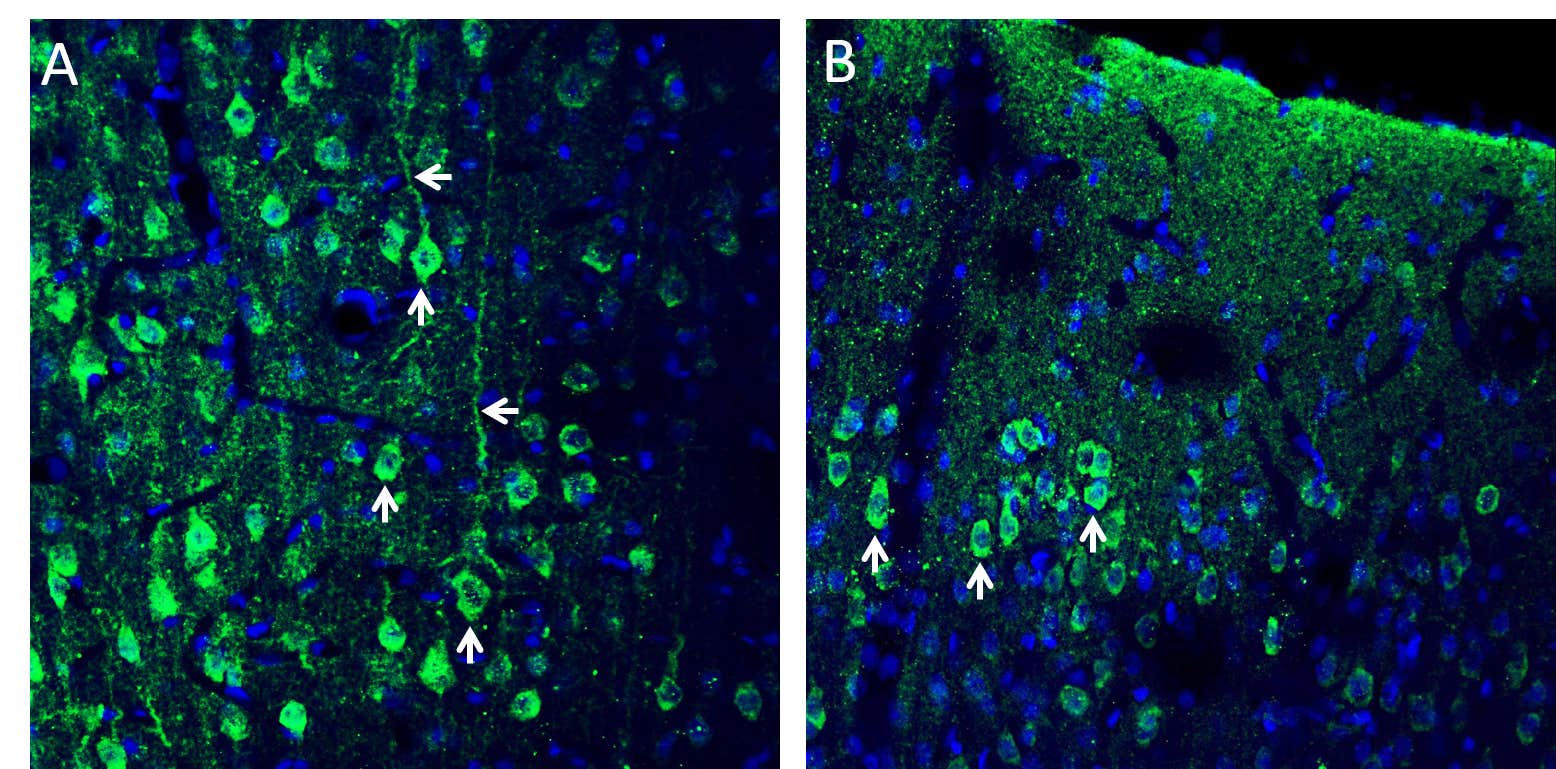 A Rabbit Polyclonal Antibody to CX3CL1
- Product Code: ACR-057
- Short Description: A Rabbit Polyclonal Antibody to CX3CL1
- Host: Rabbit
- Label: Unconjugated
- Reactivity: Human, Rat, Mouse
- Applications: Western blot, Immunofluorescence, Immunohistochemistry
- Target: Fractalkine, C-X3-C motif chemokine 1, CX3C membrane-anchored chemokine, Neurotactin, Small-inducible cytokine D1, FKN, NTT, SCYD1
-
 A Rabbit Polyclonal Antibody to CX3CR1 Receptor
- Product Code: ACR-058
- Short Description: A Rabbit Polyclonal Antibody to CX3CR1 Receptor
- Host: Rabbit
- Label: Unconjugated
- Reactivity: Rat, Mouse
- Applications: Indirect flow cytometry, Live cell imaging, Western blot, Immunohistochemistry
- Target: Fractalkine Receptor, CX3C chemokine receptor 1, C-X3-C CKR-1, C-X3-C motif chemokine receptor 1, GPR13, CMKBRL1, GPRV28, V28, G-protein coupled receptor 13, CCRL1, Beta chemokine receptor-like 1
-
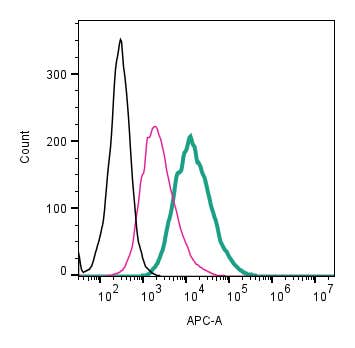 A Rabbit Polyclonal Antibody to CX3CR1 (extracellular) conjugated to the fluorescent dye Allophycocyanin (APC)
- Product Code: ACR-058-APC
- Short Description: A Rabbit Polyclonal Antibody to CX3CR1 (extracellular) conjugated to the fluorescent dye Allophycocyanin (APC)
- Host: Rabbit
- Label: APC
- Reactivity: Rat, Mouse
- Applications: Live cell imaging, Flow cytometry
- Target: Fractalkine Receptor, CX3C chemokine receptor 1, C-X3-C CKR-1, C-X3-C motif chemokine receptor 1, GPR13, CMKBRL1, GPRV28, V28, G-protein coupled receptor 13, CCRL1, Beta chemokine receptor-like 1
-
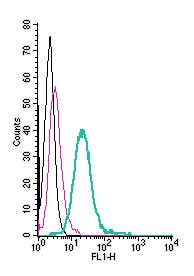 A Rabbit Polyclonal Antibody to CX3CR1 (extracellular) conjugated to the fluorescent dye FITC
- Product Code: ACR-058-F
- Short Description: A Rabbit Polyclonal Antibody to CX3CR1 (extracellular) conjugated to the fluorescent dye FITC
- Host: Rabbit
- Label: FITC
- Reactivity: Rat, Mouse
- Applications: Live cell imaging, Flow cytometry
- Target: Fractalkine Receptor, CX3C chemokine receptor 1, C-X3-C CKR-1, C-X3-C motif chemokine receptor 1, GPR13, CMKBRL1, GPRV28, V28, G-protein coupled receptor 13, CCRL1, Beta chemokine receptor-like 1
-
 A Rabbit Polyclonal Antibody to CXCR4 Chemokine Receptor
- Product Code: ACR-014
- Short Description: A Rabbit Polyclonal Antibody to CXCR4 Chemokine Receptor
- Host: Rabbit
- Label: Unconjugated
- Reactivity: Human, Rat, Mouse
- Applications: Indirect flow cytometry, Live cell imaging, Western blot, Immunocytochemistry, Immunofluorescence, Immunohistochemistry
- Target: C-X-C chemokine receptor type 4, CD184, Fusin, LESTR, NPYRL, SDF-1 receptor, WHIMS
Loading...