-
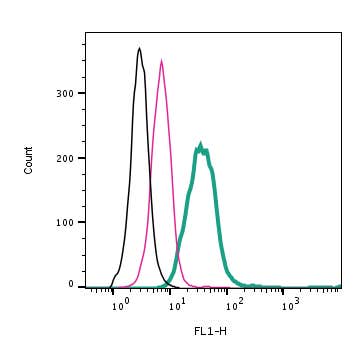 A Rabbit Polyclonal Antibody to PAR2 (extracellular) conjugated to the fluorescent dye FITC
- Product Code: APR-035-F
- Short Description: A Rabbit Polyclonal Antibody to PAR2 (extracellular) conjugated to the fluorescent dye FITC
- Host: Rabbit
- Label: FITC
- Reactivity: Human
- Applications: Live cell imaging, Flow cytometry
- Target: Protease-activated receptor-2, PAR-2, Thrombin receptor-like 1, Coagulation factor II receptor-like 1, GPR11
-
 A Rabbit Polyclonal Antibody to TNF Receptor 1
- Product Code: ANT-041
- Short Description: A Rabbit Polyclonal Antibody to TNF Receptor 1
- Host: Rabbit
- Label: Unconjugated
- Reactivity: Human
- Applications: Indirect flow cytometry, Live cell imaging, Western blot
- Target: Tumor necrosis factor receptor 1, TNFR1, TNFRSF1A, TNF receptor superfamily member 1A, CD120a
-
 A Rabbit Polyclonal Antibody to Human TRPM1 Channel
- Product Code: ACC-041
- Short Description: A Rabbit Polyclonal Antibody to Human TRPM1 Channel
- Host: Rabbit
- Label: Unconjugated
- Reactivity: Human
- Applications: Western blot
- Target: Melastatin-1, MLSN1, LTrpC1, Transient receptor potential cation channel subfamily M member 1
-
 A Rabbit Polyclonal Antibody to Human TRPV6 Channel
- Product Code: ACC-028
- Short Description: A Rabbit Polyclonal Antibody to Human TRPV6 Channel
- Host: Rabbit
- Label: Unconjugated
- Reactivity: Human
- Applications: Live cell imaging, Western blot, Immunocytochemistry, Immunofluorescence
- Target: Epithelial calcium channel 2, ECaC2, Calcium transport protein 1, CaT1, CaT-like, CaT-L, Transient receptor potential cation channel subfamily V member 6
-
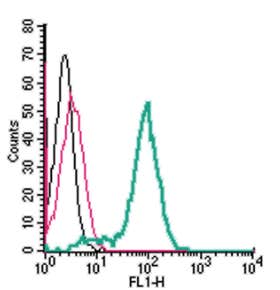 A Rabbit Polyclonal Antibody to Human Tumor Necrosis Factor Receptor 2 (extracellular)
- Product Code: ANT-042
- Short Description: A Rabbit Polyclonal Antibody to Human Tumor Necrosis Factor Receptor 2 (extracellular)
- Host: Rabbit
- Label: Unconjugated
- Reactivity: Human
- Applications: Indirect flow cytometry, Live cell imaging, Western blot
- Target: TNFR2, Tumor Necrosis Factor Receptor Superfamily Member 1B, TNFRSF1B, Tumor Necrosis Factor Receptor Type II, TNF-RII, CD120b
-
 A Rabbit Polyclonal Antibody to IBA1/AIF1
- Product Code: ACS-010
- Short Description: A Rabbit Polyclonal Antibody to IBA1/AIF1
- Host: Rabbit
- Label: Unconjugated
- Reactivity: Rat, Mouse
- Applications: Western blot, Immunofluorescence, Immunohistochemistry
- Target: Ionized calcium-binding adapter molecule 1, Allograft Inflammatory Factor 1, MRF-1, Microglia response factor
-
 A Rabbit Polyclonal antibody to IGF1
- Product Code: ANT-046
- Short Description: A Rabbit Polyclonal antibody to IGF1
- Host: Rabbit
- Label: Unconjugated
- Reactivity: Human, Rat, Mouse
- Applications: Western blot, Immunohistochemistry
- Target: Insulin Like Growth Factor 1, Insulin-Like Growth Factor I, IGF-I, Somatomedin-C
-
 A Rabbit Polyclonal Antibody to IGF1R
- Product Code: ANT-045
- Short Description: A Rabbit Polyclonal Antibody to IGF1R
- Host: Rabbit
- Label: Unconjugated
- Reactivity: Human, Rat, Mouse
- Applications: Indirect flow cytometry, Live cell imaging, Western blot, Immunohistochemistry
- Target: Insulin-like growth factor 1 receptor, IGF-I receptor, CD221
-
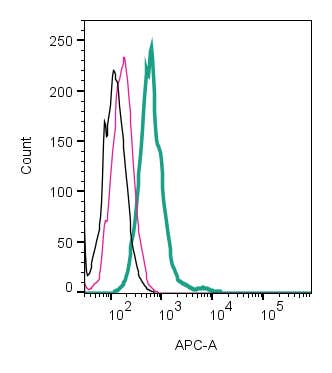 A Rabbit Polyclonal Antibody to IGSF8 (extracellular)
- Product Code: ANR-208
- Short Description: A Rabbit Polyclonal Antibody to IGSF8 (extracellular)
- Host: Rabbit
- Label: Unconjugated
- Reactivity: Human, Rat, Mouse
- Applications: Live cell imaging, Western blot, Flow cytometry
- Target: Immunoglobulin superfamily member 8, Prostaglandin Regulatory-Like Protein, PGRL, Glu-Trp-Ile EWI motif-containing protein 2, EWI2, CD81 Partner 3, KCT4, CD316
-
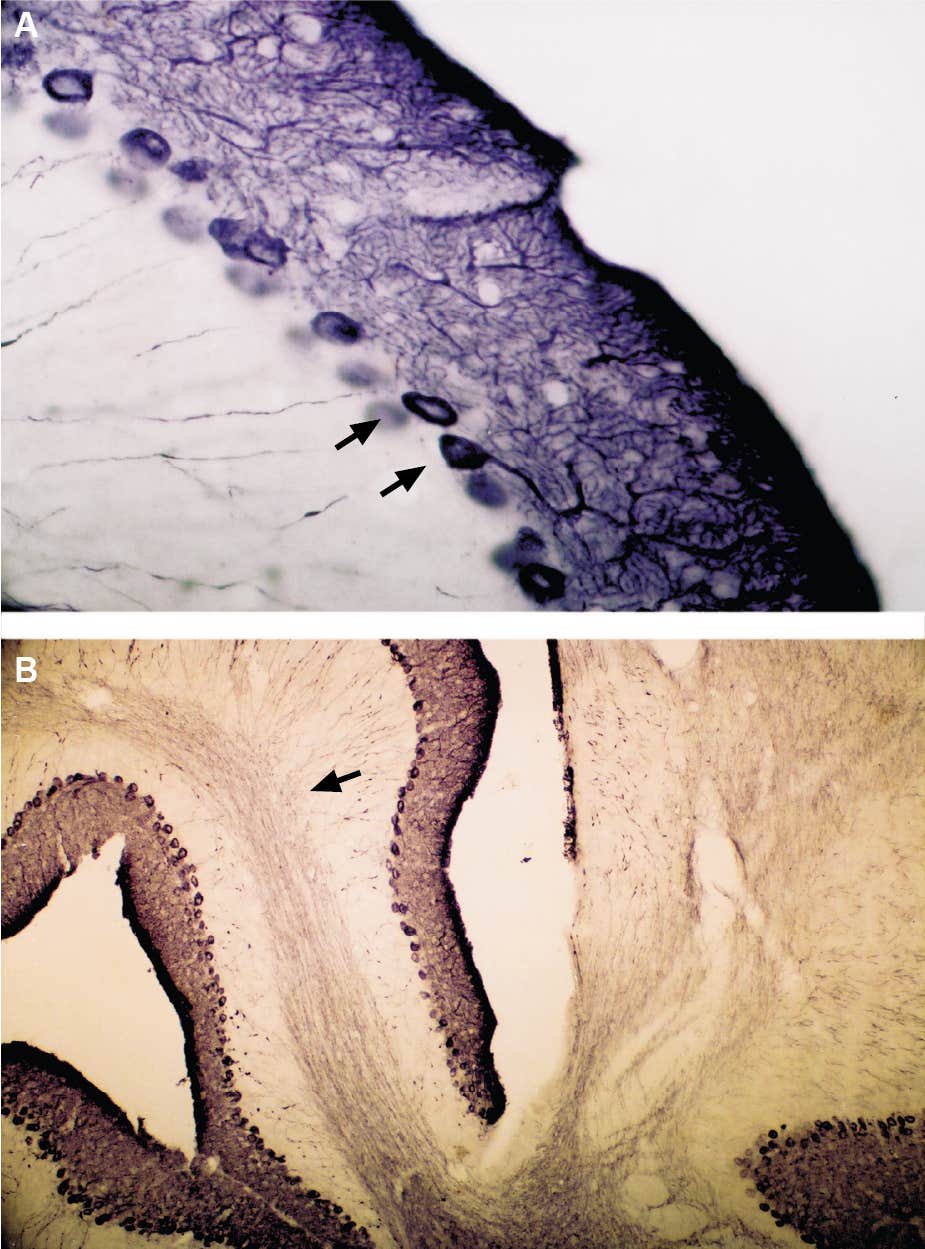 A Rabbit Polyclonal Antibody to IP3 Receptor-1
- Product Code: ACC-019
- Short Description: A Rabbit Polyclonal Antibody to IP3 Receptor-1
- Host: Rabbit
- Label: Unconjugated
- Reactivity: Human, Rat, Mouse
- Applications: Western blot, Immunocytochemistry, Immunofluorescence, Immunoprecipitation, Immunohistochemistry
- Target: Inositol 1,4,5-trisphosphate receptor type 1, IP3R1, InsP3R1
Loading...