-
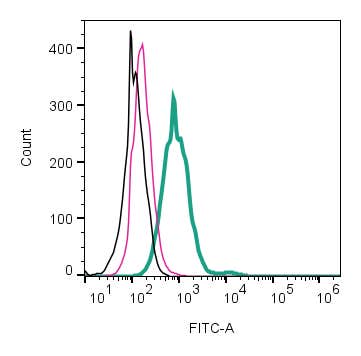 A Rabbit Polyclonal antibody to Leptin Receptor (extracellular) conjugated to the fluorescent dye FITC.
- Product Code: ALR-039-F
- Short Description: A Rabbit Polyclonal antibody to Leptin Receptor (extracellular) conjugated to the fluorescent dye FITC.
- Host: Rabbit
- Label: FITC
- Reactivity: Rat, Mouse
- Applications: Live cell imaging, Flow cytometry
- Target: LEPR, OB receptor, OBR, CD295
-
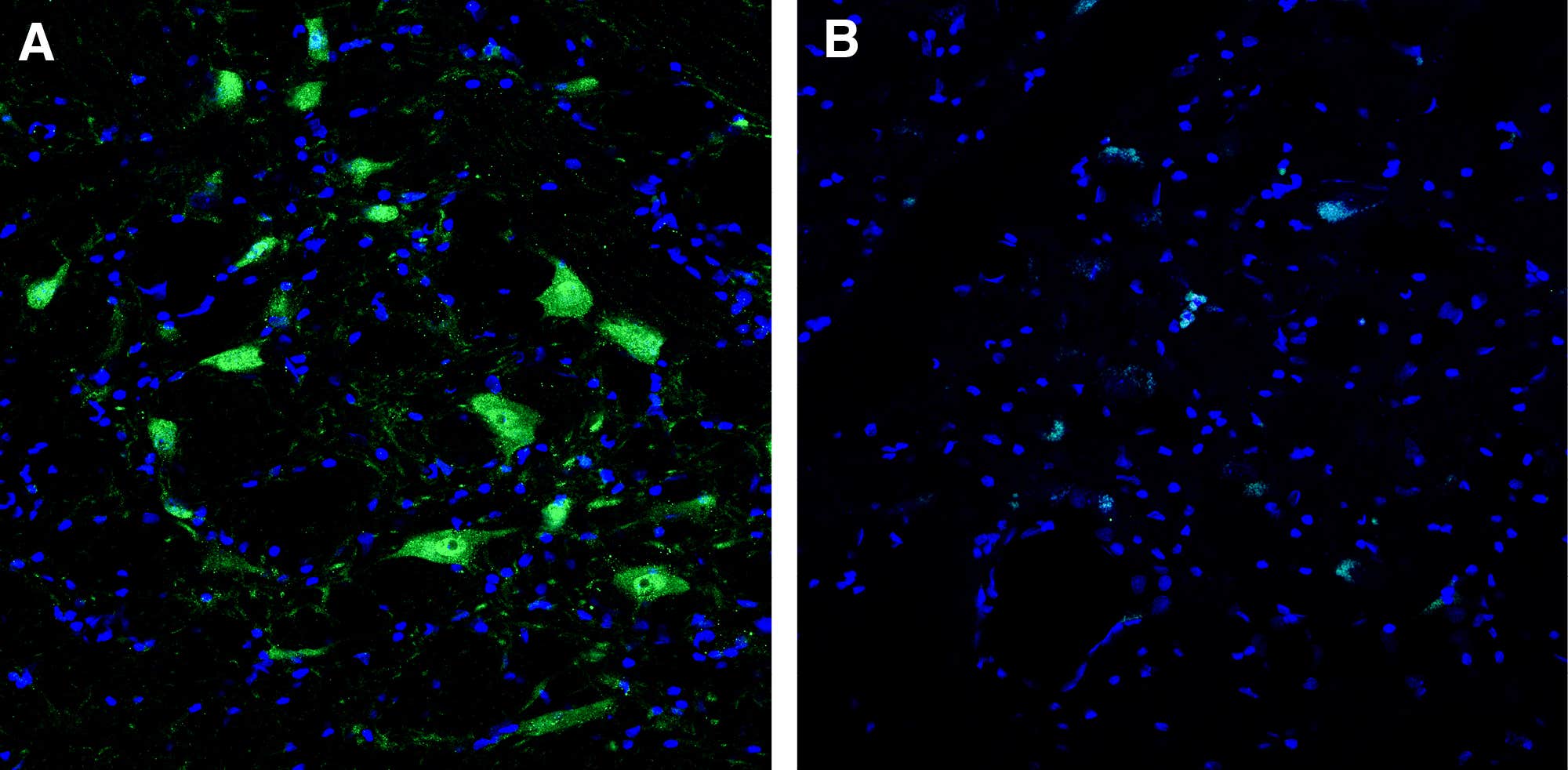 A Rabbit Polyclonal Antibody to LETM1
- Product Code: ANT-183
- Short Description: A Rabbit Polyclonal Antibody to LETM1
- Host: Rabbit
- Label: Unconjugated
- Reactivity: Human, Rat, Mouse
- Applications: Western blot
- Target: Leucine zipper-EF-hand-containing transmembrane protein 1, LETM1 and EF-hand domain-containing protein 1 mitochondrial, Mitochondrial proton/calcium exchanger protein, Mdm38 homolog
-
 A Rabbit Polyclonal Antibody to LH Receptor (LHCGR)
- Product Code: ALR-010
- Short Description: A Rabbit Polyclonal Antibody to LH Receptor (LHCGR)
- Host: Rabbit
- Label: Unconjugated
- Reactivity: Human, Mouse
- Applications: Live cell imaging, Western blot, Immunocytochemistry, Immunofluorescence
- Target: Luteinizing hormone receptor, Lutropin-choriogonadotropic hormone receptor, LHCGR, LHR, LSH-R
-
 A Rabbit Polyclonal Antibody to LPA Receptor 1 (EDG2)
- Product Code: ALR-031
- Short Description: A Rabbit Polyclonal Antibody to LPA Receptor 1 (EDG2)
- Host: Rabbit
- Label: Unconjugated
- Reactivity: Human, Rat, Mouse
- Applications: Indirect flow cytometry, Live cell imaging, Western blot, Immunohistochemistry
- Target: Lysophosphatidic acid receptor 1, LPA receptor 1, LPA-1, Gpcr91, Gpr26, VZG1
-
 A Rabbit Polyclonal Antibody to LRRK2
- Product Code: ANR-102
- Short Description: A Rabbit Polyclonal Antibody to LRRK2
- Host: Rabbit
- Label: Unconjugated
- Reactivity: Human, Rat, Mouse
- Applications: Western blot, Immunofluorescence, Immunohistochemistry
- Target: Leucine-rich repeat kinase 2, Parkinson disease (Autosomal dominant) 8, PARK8, Roco2, RIPK7, Dardarin
-
 A Rabbit Polyclonal Antibody to MAGI2
- Product Code: APZ-052
- Short Description: A Rabbit Polyclonal Antibody to MAGI2
- Host: Rabbit
- Label: Unconjugated
- Reactivity: Human, Rat, Mouse
- Applications: Western blot
- Target: Membrane associated guanylate kinase, WW and PDZ domain containing 2, Activin receptor-interacting protein 1, Acvrip1, Atrophin-1-interacting protein 1
-
 A Rabbit Polyclonal Antibody to MANF
- Product Code: ANT-028
- Short Description: A Rabbit Polyclonal Antibody to MANF
- Host: Rabbit
- Label: Unconjugated
- Reactivity: Human, Rat, Mouse
- Applications: Western blot, Immunofluorescence, Immunohistochemistry
- Target: Mesencephalic astrocyte-derived neurotrophic factor, Arginine-rich mutated in early stage tumors, ARP
-
 A Rabbit Polyclonal Antibody to MANF Conjugated to the Fluorescent Dye ATTO-594
- Product Code: ANT-028-AR
- Short Description: A Rabbit Polyclonal Antibody to MANF Conjugated to the Fluorescent Dye ATTO-594
- Host: Rabbit
- Label: ATTO 594
- Reactivity: Rat, Mouse
- Applications: Immunofluorescence, Immunohistochemistry
- Target: Mesencephalic astrocyte-derived neurotrophic factor, Arginine-rich mutated in early stage tumors, ARP
-

 A Rabbit Polyclonal Antibody to Melanocortin Receptor 1
- Product Code: AMR-020
- Short Description: A Rabbit Polyclonal Antibody to Melanocortin Receptor 1
- Host: Rabbit
- Label: Unconjugated
- Reactivity: Human, Mouse
- Applications: Western blot, Immunocytochemistry, Immunofluorescence, Immunohistochemistry
- Target: Melanocortin receptor 1, MC1R, MC1-R, Melanocyte-stimulating hormone receptor, MSHR, MSH-R, SHEP2
-
 A Rabbit Polyclonal Antibody to Monocarboxylate Transporter 1
- Product Code: AMT-011
- Short Description: A Rabbit Polyclonal Antibody to Monocarboxylate Transporter 1
- Host: Rabbit
- Label: Unconjugated
- Reactivity: Human, Rat, Mouse
- Applications: Indirect flow cytometry, Live cell imaging, Western blot, Immunofluorescence, Immunohistochemistry
- Target: Monocarboxylate transporter 1, Monocarboxylic acid transporter 1
Loading...