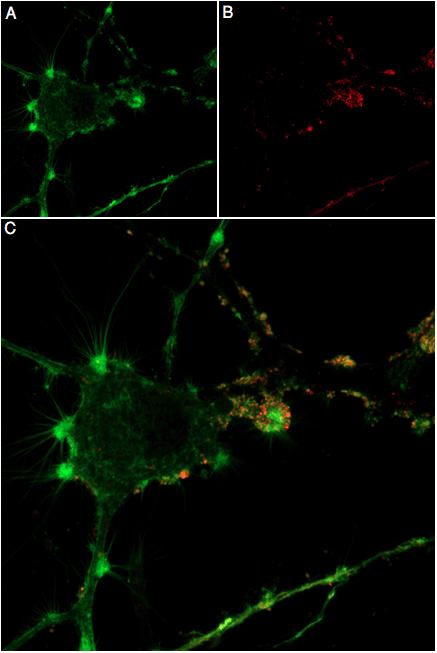
-
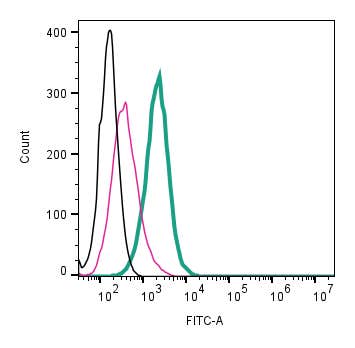 A Rabbit Polyclonal Antibody to CaV1.3 (CACNA1D) (extracellular) conjugated to the fluorescent dye FITC
- Product Code: ACC-311-F
- Short Description: A Rabbit Polyclonal Antibody to CaV1.3 (CACNA1D) (extracellular) conjugated to the fluorescent dye FITC
- Host: Rabbit
- Label: FITC
- Reactivity: Human, Rat, Mouse
- Applications: Live cell imaging, Flow cytometry
- Target: Voltage-dependent L-type calcium channel subunit α1D
-

 A Rabbit Polyclonal Antibody to CaV1.3 (CACNA1D) Channel
- Product Code: ACC-005
- Short Description: A Rabbit Polyclonal Antibody to CaV1.3 (CACNA1D) Channel
- Host: Rabbit
- Label: Unconjugated
- Reactivity: Human, Rat, Mouse
- Applications: Western blot, Immunocytochemistry, Immunofluorescence, Immunoprecipitation, Immunohistochemistry
- Target: Voltage-dependent L-type calcium channel subunit α1D
-
 A Rabbit Polyclonal Antibody to CaV3.2 (CACNA1H) Channel
- Product Code: ACC-025
- Short Description: A Rabbit Polyclonal Antibody to CaV3.2 (CACNA1H) Channel
- Host: Rabbit
- Label: Unconjugated
- Reactivity: Human, Rat, Mouse
- Applications: Western blot, Immunocytochemistry, Immunofluorescence, Immunoprecipitation, Immunohistochemistry
- Target: Voltage-dependent T-type calcium channel subunit α1H
-
 A Rabbit Polyclonal Antibody to Cystic Fibrosis Transmembrane Conductance Regulator
- Product Code: ACL-006
- Short Description: A Rabbit Polyclonal Antibody to Cystic Fibrosis Transmembrane Conductance Regulator
- Host: Rabbit
- Label: Unconjugated
- Reactivity: Human, Rat, Mouse
- Applications: Western blot, Immunocytochemistry, Immunofluorescence, Immunoprecipitation, Immunohistochemistry
- Target: Cystic fibrosis transmembrane conductance regulator, ATP-binding cassette sub-family C member 7, ABCC7, cAMP-dependent Cl- channel
-
 A Rabbit Polyclonal Antibody to CLIC4 Channel
- Product Code: ACL-024
- Short Description: A Rabbit Polyclonal Antibody to CLIC4 Channel
- Host: Rabbit
- Label: Unconjugated
- Reactivity: Human, Rat, Mouse
- Applications: Western blot, Immunocytochemistry, Immunofluorescence
- Target: Cl- intracellular channel 4, Intracellular chloride ion channel p64H1
-
 A Rabbit Polyclonal Antibody to Connexin-40
- Product Code: ACC-205
- Short Description: A Rabbit Polyclonal Antibody to Connexin-40
- Host: Rabbit
- Label: Unconjugated
- Reactivity: Rat, Mouse
- Applications: Western blot
- Target: CX40, Gap junction α5 protein
-
 A Rabbit Polyclonal Antibody to Calcitonin Receptor-Like Receptor
- Product Code: ACR-060
- Short Description: A Rabbit Polyclonal Antibody to Calcitonin Receptor-Like Receptor
- Host: Rabbit
- Label: Unconjugated
- Reactivity: Human, Rat, Mouse
- Applications: Indirect flow cytometry, Live cell imaging, Western blot, Immunohistochemistry
- Target: Calcitonin Receptor-Like Receptor, Calcitonin Gene-Related Peptide Type 1 Receptor, CRL, CGRPR
-
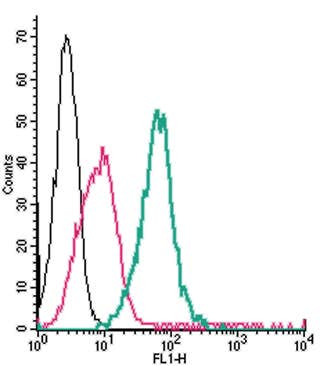 A Rabbit Polyclonal Antibody to CRLR/CALCRL (extracellular) conjugated to the fluorescent dye FITC
- Product Code: ACR-060-F
- Short Description: A Rabbit Polyclonal Antibody to CRLR/CALCRL (extracellular) conjugated to the fluorescent dye FITC
- Host: Rabbit
- Label: FITC
- Reactivity: Human, Rat, Mouse
- Applications: Live cell imaging, Flow cytometry
- Target: Calcitonin Receptor-Like Receptor, Calcitonin Gene-Related Peptide Type 1 Receptor, CRL, CGRPR
-
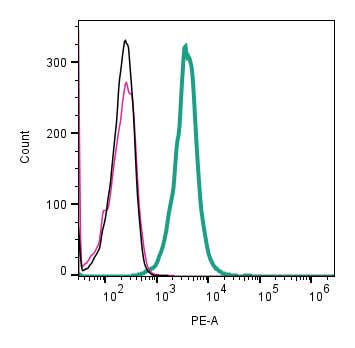 A Rabbit Polyclonal Antibody to Calcitonin Receptor-Like Receptor conjugated to the fluorescent dye R-Phycoerythrin
- Product Code: ACR-060-PE
- Short Description: A Rabbit Polyclonal Antibody to Calcitonin Receptor-Like Receptor conjugated to the fluorescent dye R-Phycoerythrin
- Host: Rabbit
- Label: R-PE
- Reactivity: Human, Rat, Mouse
- Applications: Live cell imaging, Flow cytometry
- Target: Calcitonin Receptor-Like Receptor, Calcitonin Gene-Related Peptide Type 1 Receptor, CRL, CGRPR
-
 A Rabbit Polyclonal Antibody to ENaCβ Channel
- Product Code: ASC-019
- Short Description: A Rabbit Polyclonal Antibody to ENaCβ Channel
- Host: Rabbit
- Label: Unconjugated
- Reactivity: Rat, Mouse
- Applications: Western blot, Immunohistochemistry
- Target: Amiloride-sensitive sodium channel subunit beta, Beta-NaCH, Epithelial sodium channel β subunit, Beta-ENaC, Nonvoltage-gated sodium channel 1 subunit beta, SCNEB
Loading...