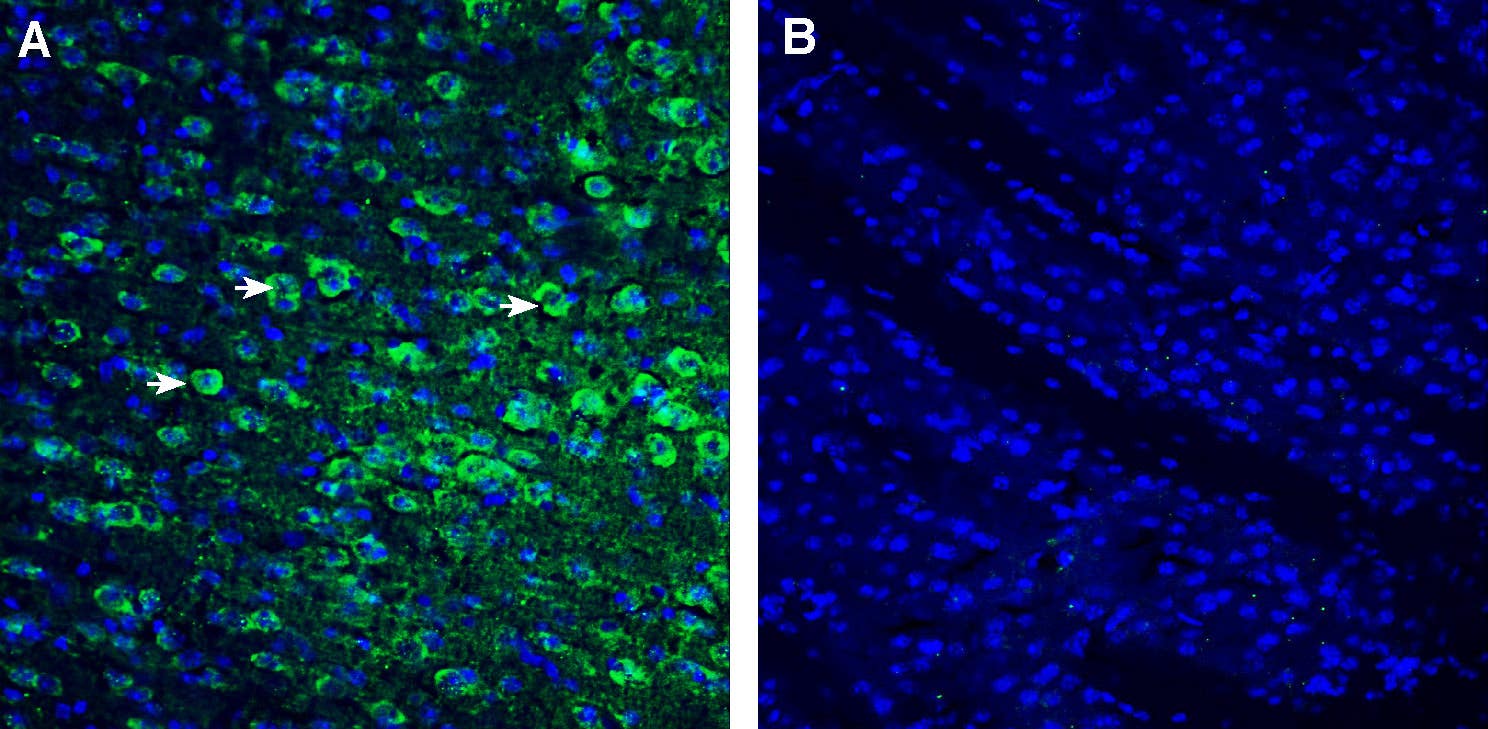
-
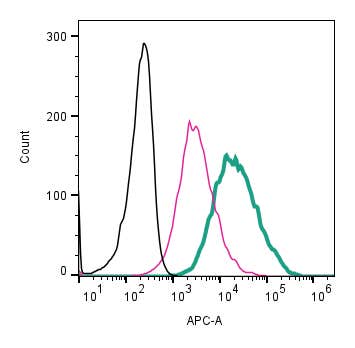 A Rabbit Polyclonal antibody to CD9 (extracellular) conjugated to the fluorescent dye Allophycocyanin (APC)
- Product Code: ANR-209-APC
- Short Description: A Rabbit Polyclonal antibody to CD9 (extracellular) conjugated to the fluorescent dye Allophycocyanin (APC)
- Host: Rabbit
- Label: APC
- Reactivity: Human, Rat, Mouse
- Applications: Live cell imaging, Flow cytometry
- Target: Tetrapanin-29, TSPAN29, Leukocyte Antigen MIC3, MIC3
-
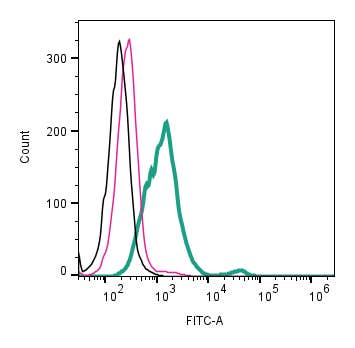 A Rabbit Polyclonal antibody to CD9 (extracellular) conjugated to the fluorescent dye FITC
- Product Code: ANR-209-F
- Short Description: A Rabbit Polyclonal antibody to CD9 (extracellular) conjugated to the fluorescent dye FITC
- Host: Rabbit
- Label: FITC
- Reactivity: Human, Rat, Mouse
- Applications: Live cell imaging, Flow cytometry
- Target: Tetrapanin-29, TSPAN29, Leukocyte Antigen MIC3, MIC3
-
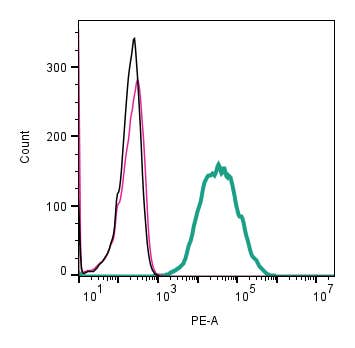 A Rabbit Polyclonal antibody to CD9 (extracellular) conjugated to the fluorescent dye Phycoerythrin (PE).
- Product Code: ANR-209-PE
- Short Description: A Rabbit Polyclonal antibody to CD9 (extracellular) conjugated to the fluorescent dye Phycoerythrin (PE).
- Host: Rabbit
- Label: R-PE
- Reactivity: Human, Rat, Mouse
- Applications: Live cell imaging, Flow cytometry
- Target: Tetrapanin-29, TSPAN29, Leukocyte Antigen MIC3, MIC3
-
 A Rabbit Polyclonal Antibody to Connexin-37
- Product Code: ACC-204
- Short Description: A Rabbit Polyclonal Antibody to Connexin-37
- Host: Rabbit
- Label: Unconjugated
- Reactivity: Human, Rat, Mouse
- Applications: Western blot
- Target: CX37, Gap junction α4 protein, GJA4
-
 A Rabbit Polyclonal Antibody to CXCR4 Chemokine Receptor
- Product Code: ACR-014
- Short Description: A Rabbit Polyclonal Antibody to CXCR4 Chemokine Receptor
- Host: Rabbit
- Label: Unconjugated
- Reactivity: Human, Rat, Mouse
- Applications: Indirect flow cytometry, Live cell imaging, Western blot, Immunocytochemistry, Immunofluorescence, Immunohistochemistry
- Target: C-X-C chemokine receptor type 4, CD184, Fusin, LESTR, NPYRL, SDF-1 receptor, WHIMS
-
 A Rabbit Polyclonal Antibody to CXCR4 Chemokine Receptor Conjugated to the Fluorescent Dye ATTO-488
- Product Code: ACR-014-AG
- Short Description: A Rabbit Polyclonal Antibody to CXCR4 Chemokine Receptor Conjugated to the Fluorescent Dye ATTO-488
- Host: Rabbit
- Label: ATTO 488
- Reactivity: Human, Rat, Mouse
- Applications: Live cell imaging, Flow cytometry
- Target: C-X-C chemokine receptor type 4, CD184, Fusin, LESTR, NPYRL, SDF-1 receptor, WHIMS
-
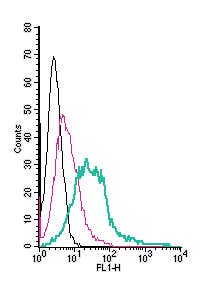 A Rabbit Polyclonal Antibody to CXCR4 (extracellular) conjugated to the fluorescent dye FITC
- Product Code: ACR-014-F
- Short Description: A Rabbit Polyclonal Antibody to CXCR4 (extracellular) conjugated to the fluorescent dye FITC
- Host: Rabbit
- Label: FITC
- Reactivity: Human, Rat, Mouse
- Applications: Live cell imaging, Flow cytometry
- Target: C-X-C chemokine receptor type 4, CD184, Fusin, LESTR, NPYRL, SDF-1 receptor, WHIMS
-
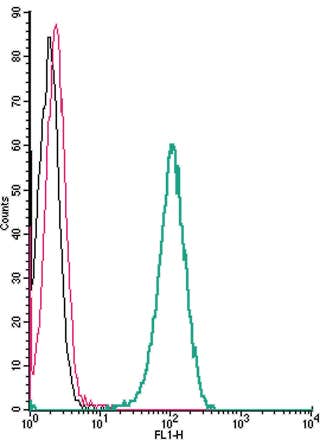 A Rabbit Polyclonal Antibody to CXCR7 Chemokine Receptor
- Product Code: ACR-037
- Short Description: A Rabbit Polyclonal Antibody to CXCR7 Chemokine Receptor
- Host: Rabbit
- Label: Unconjugated
- Reactivity: Human, Rat, Mouse
- Applications: Indirect flow cytometry, Live cell imaging, Western blot
- Target: Atypical chemokine receptor 3, C-X-C chemokine receptor type 7, CXCR-7, Chemokine orphan receptor 1, G-protein coupled receptor RDC1 homolog, CMKOR1, GPR159
-
 A Rabbit Polyclonal Antibody to CXCR7 Chemokine Receptor Conjugated to the Fluorescent Dye ATTO-488
- Product Code: ACR-037-AG
- Short Description: A Rabbit Polyclonal Antibody to CXCR7 Chemokine Receptor Conjugated to the Fluorescent Dye ATTO-488
- Host: Rabbit
- Label: ATTO 488
- Reactivity: Human, Rat, Mouse
- Applications: Live cell imaging, Flow cytometry, Immunohistochemistry
- Target: Atypical chemokine receptor 3, C-X-C chemokine receptor type 7, CXCR-7, Chemokine orphan receptor 1, G-protein coupled receptor RDC1 homolog, CMKOR1, GPR159
-
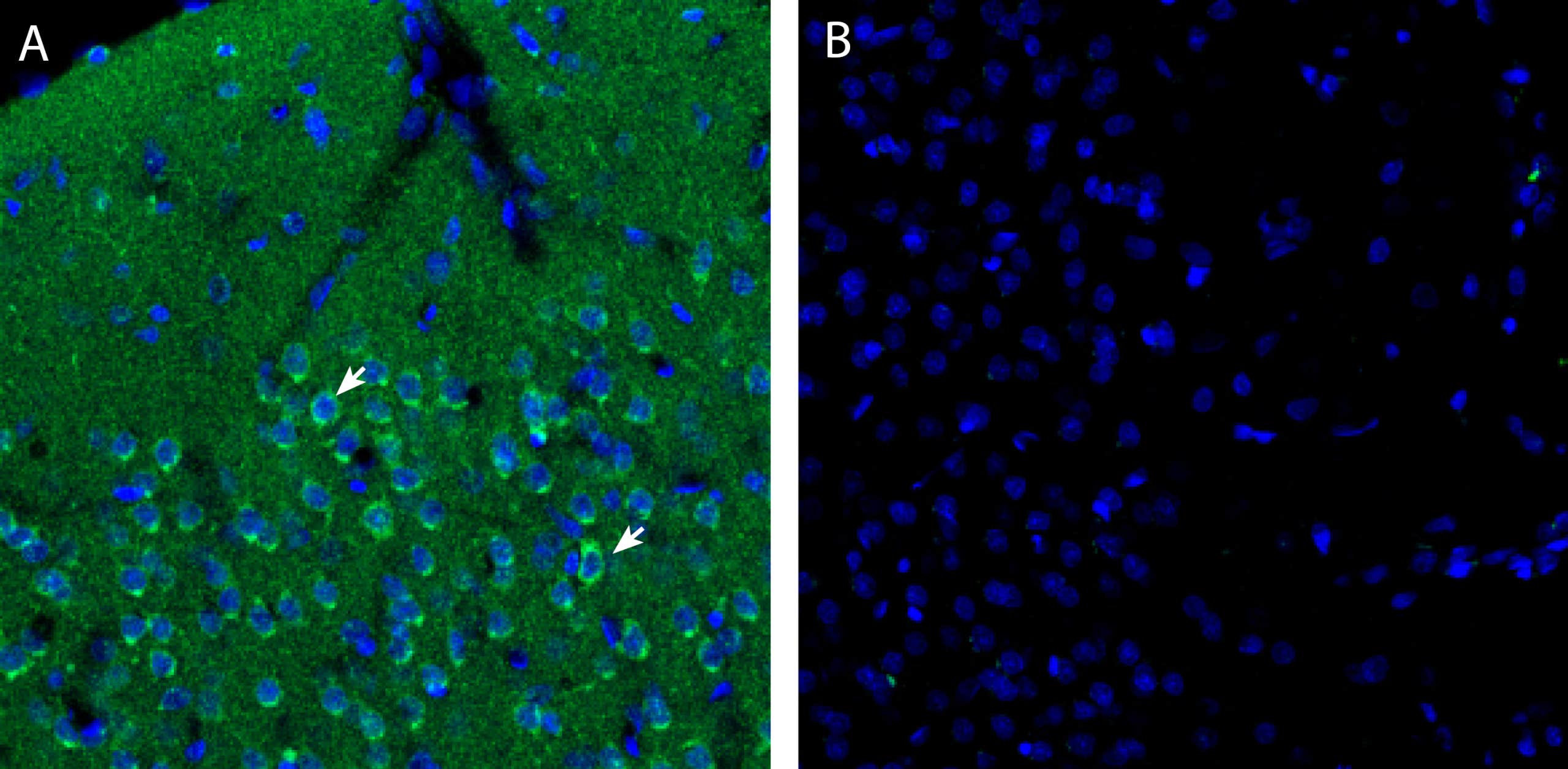 A Rabbit Ployclonal Antibody to Endothelin Receptor A
- Product Code: AER-004
- Short Description: A Rabbit Ployclonal Antibody to Endothelin Receptor A
- Host: Rabbit
- Label: Unconjugated
- Reactivity: Human, Rat, Mouse
- Applications: Indirect flow cytometry, Live cell imaging, Western blot
- Target: EDNRA, ET-A, ET-AR, ETRA, ET1-Specific type endothelin receptor, Endothelin-1 receptor, Endothelin Receptor Type A
Loading...