-
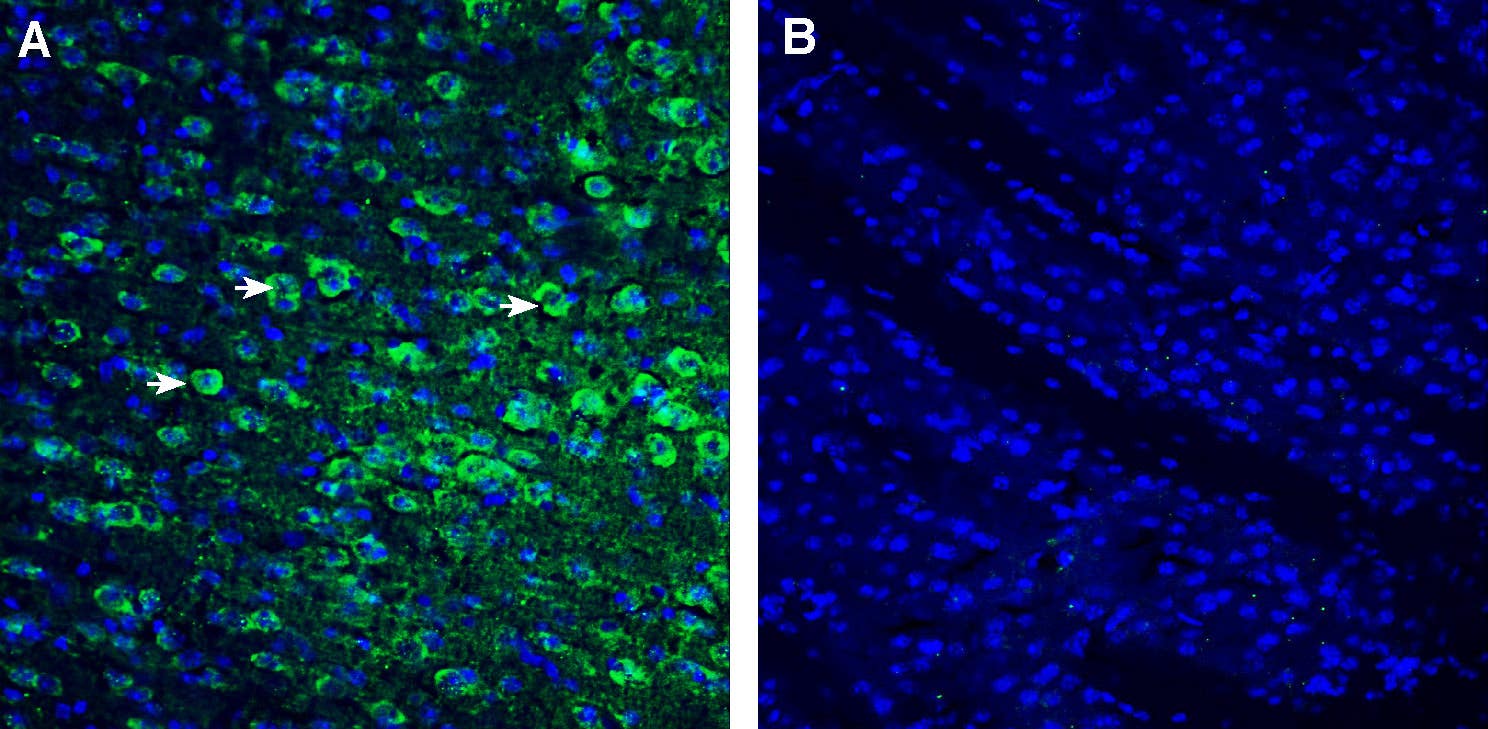
 A Rabbit Polyclonal Antibody to Prokineticin Receptor 1
- Product Code: APR-041
- Short Description: A Rabbit Polyclonal Antibody to Prokineticin Receptor 1
- Host: Rabbit
- Label: Unconjugated
- Reactivity: Rat, Mouse
- Applications: Indirect flow cytometry, Live cell imaging, Western blot, Immunofluorescence, Immunohistochemistry
- Target: PROKR1, PKR1, G-protein coupled receptor 73, Gpr73, Gpr73a, G-protein coupled receptor ZAQ
-

 A Rabbit Polyclonal Antibody to Prokineticin Receptor 2
- Product Code: APR-042
- Short Description: A Rabbit Polyclonal Antibody to Prokineticin Receptor 2
- Host: Rabbit
- Label: Unconjugated
- Reactivity: Rat, Mouse
- Applications: Indirect flow cytometry, Live cell imaging, Western blot, Immunofluorescence, Immunohistochemistry
- Target: PROKR2, PKR2, G-protein coupled receptor 73-like 1, Gpr73l1, Gpr73b, G-protein coupled receptor I5E
-
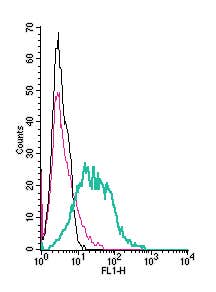 A Rabbit Polyclonal Antibody to Prostacyclin Receptor (PTGIR)
- Product Code: APR-068
- Short Description: A Rabbit Polyclonal Antibody to Prostacyclin Receptor (PTGIR)
- Host: Rabbit
- Label: Unconjugated
- Reactivity: Human, Rat, Mouse
- Applications: Indirect flow cytometry, Live cell imaging, Western blot
- Target: Prostanoid IP receptor, Prostaglandin I2 receptor, PGI2 receptor
-
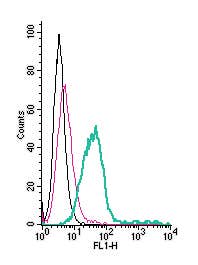 A Rabbit Polyclonal Antibody to PTGIR (extracellular) conjugated to the fluorescent dye FITC
- Product Code: APR-068-F
- Short Description: A Rabbit Polyclonal Antibody to PTGIR (extracellular) conjugated to the fluorescent dye FITC
- Host: Rabbit
- Label: FITC
- Reactivity: Human, Rat, Mouse
- Applications: Live cell imaging, Flow cytometry
- Target: Prostanoid IP receptor, Prostaglandin I2 receptor, PGI2 receptor, PRIPR
-
 A Rabbit Polyclonal Antibody to Prostaglandin F2-α Receptor
- Product Code: APR-067
- Short Description: A Rabbit Polyclonal Antibody to Prostaglandin F2-α Receptor
- Host: Rabbit
- Label: Unconjugated
- Reactivity: Human, Rat, Mouse
- Applications: Western blot, Immunofluorescence, Immunohistochemistry
- Target: Prostaglandin F2-alpha receptor, Prostaglandin F receptor, Prostanoid FP receptor, PGF2-alpha receptor
-
 A Rabbit Polyclonal Antibody to Prolactin-Releasing Peptide Receptor
- Product Code: APR-054
- Short Description: A Rabbit Polyclonal Antibody to Prolactin-Releasing Peptide Receptor
- Host: Rabbit
- Label: Unconjugated
- Reactivity: Rat, Mouse
- Applications: Western blot
- Target: Prolactin-releasing peptide receptor, PrRPR, Prolactin-releasing hormone receptor, PRLHR
-
 A Rabbit Polyclonal Antibody to Sphingosine 1-Phosphate Receptor 1
- Product Code: ASR-011
- Short Description: A Rabbit Polyclonal Antibody to Sphingosine 1-Phosphate Receptor 1
- Host: Rabbit
- Label: Unconjugated
- Reactivity: Human, Rat, Mouse
- Applications: Indirect flow cytometry, Live cell imaging, Western blot, Immunocytochemistry, Immunofluorescence, Immunohistochemistry
- Target: Sphingosine 1-phosphate receptor 1, S1P1, Endothelial differentiation G-protein coupled receptor 1, CD363, CHEDG1
-
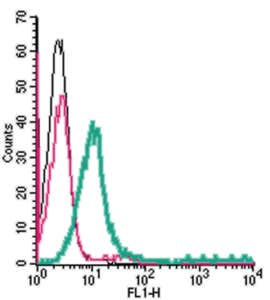 A Rabbit Polyclonal Antibody to Sphingosine 1-Phosphate Receptor 1 Conjugated to the Fluorescent Dye FITC
- Product Code: ASR-011-F
- Short Description: A Rabbit Polyclonal Antibody to Sphingosine 1-Phosphate Receptor 1 Conjugated to the Fluorescent Dye FITC
- Host: Rabbit
- Label: FITC
- Reactivity: Human, Rat, Mouse
- Applications: Live cell imaging, Flow cytometry
- Target: Sphingosine 1-phosphate receptor 1, S1P1, Endothelial differentiation G-protein coupled receptor 1, CHEDG1, CD363
-
 A Rabbit Polyclonal Antibody to Sphingosine 1-Phosphate Receptor 2
- Product Code: ASR-012
- Short Description: A Rabbit Polyclonal Antibody to Sphingosine 1-Phosphate Receptor 2
- Host: Rabbit
- Label: Unconjugated
- Reactivity: Human, Rat, Mouse
- Applications: Western blot, Immunohistochemistry
- Target: Sphingosine 1-phosphate receptor 2, S1P2, Endothelial differentiation G-protein coupled receptor 5, Lysophospholipid receptor B2, LPB2
-
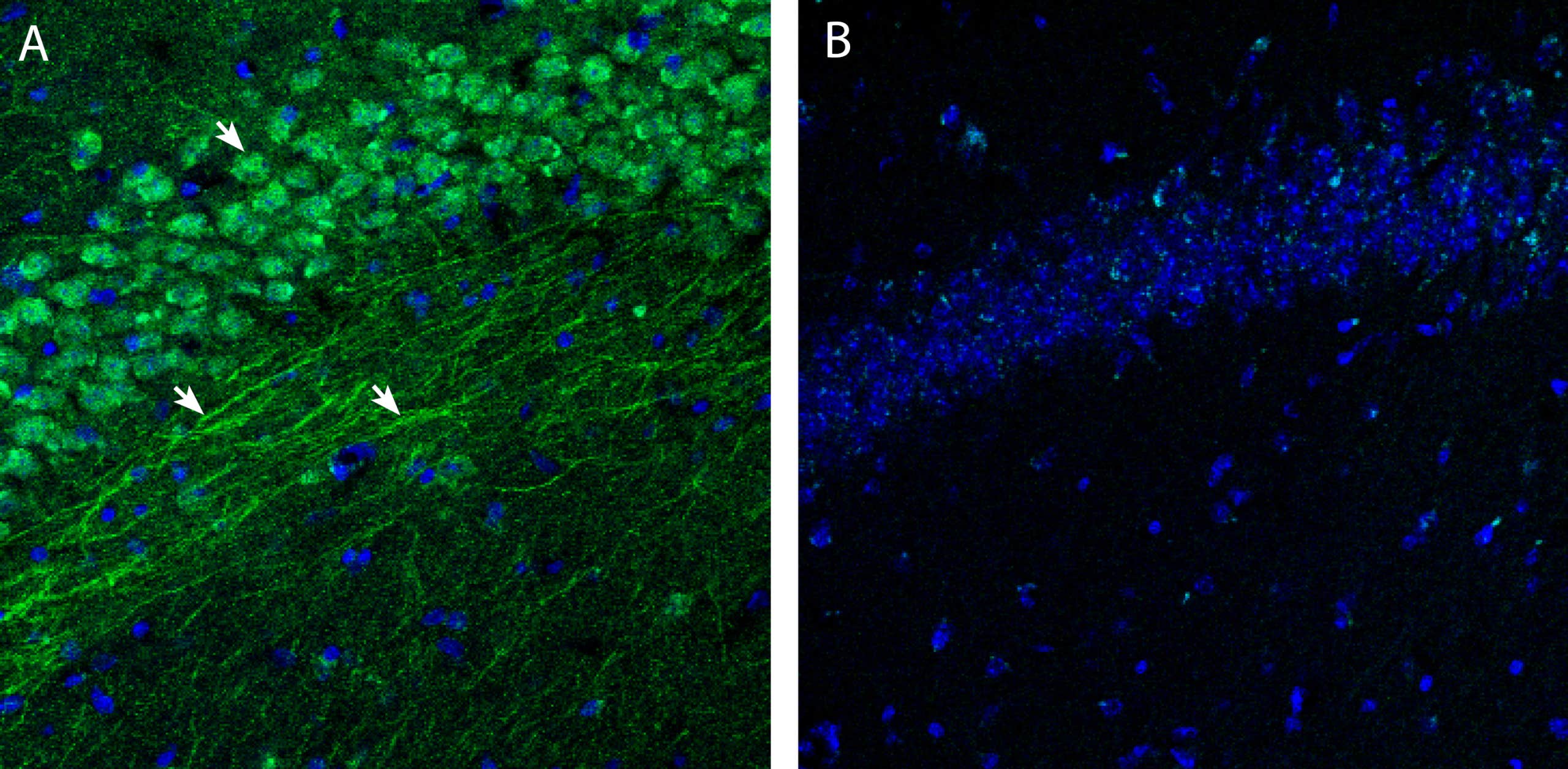 A Rabbit Polyclonal Antibody to Sphingosine 1-Phosphate Receptor 3
- Product Code: ASR-013
- Short Description: A Rabbit Polyclonal Antibody to Sphingosine 1-Phosphate Receptor 3
- Host: Rabbit
- Label: Unconjugated
- Reactivity: Human, Rat, Mouse
- Applications: Indirect flow cytometry, Live cell imaging, Western blot
- Target: Sphingosine 1-phosphate receptor 3, S1P3, Endothelial differentiation G-protein coupled receptor 3, Lysophospholipid receptor B3, LPB3
Loading...