-

 A recombinant human proBDNF protein produced in E. coli that functions exclusively as a ligand for the p75NTR/sortilin receptor complex
- Product Code: B-257
- Short Description: A recombinant human proBDNF protein produced in E. coli that functions exclusively as a ligand for the p75NTR/sortilin receptor complex
- Applications: Cell Culture, In vitro binding assay, Western blot
- MW: 51.78 kDa (dimer)
-
 A recombinant human, cleavage-resistant proBDNF protein produced in E. coli that functions exclusively as a ligand for the p75NTR/sortilin receptor complex
- Product Code: B-256
- Short Description: A recombinant human, cleavage-resistant proBDNF protein produced in E. coli that functions exclusively as a ligand for the p75NTR/sortilin receptor complex
- Applications: Cell Culture, Western blot
- MW: 51.41 kDa (dimer)
-
 A biotinylated human BDNF for sensitive detection of TrkB, p75NTR receptors, and the study of neuronal survival and synaptic plasticity
- Product Code: B-250-B
- Short Description: A biotinylated human BDNF for sensitive detection of TrkB, p75NTR receptors, and the study of neuronal survival and synaptic plasticity
- Label: Biotin
- Applications: Apoptosis assay, Cell Culture, Differentiation assay, Ex vivo, In vivo, Survival assay, Fluorescence staining, Live cell imaging, Immunofluorescence, Western blot
- MW: ~28 kDa (dimer)
-
 A recombinant human mature BDNF protein produced in E. coli that functions as a ligand for the TrkB receptors
- Product Code: B-250
- Short Description: A recombinant human mature BDNF protein produced in E. coli that functions as a ligand for the TrkB receptors
- Applications: Apoptosis assay, Cell Culture, Differentiation assay, Ex vivo, In vivo, Survival assay, Western blot
- MW: 27 kDa (dimer)
-
 A recombinant human BDNF prodomain protein produced in E. coli that functions as a ligand for the sortilin receptor and potentially GIRK channels
- Product Code: B-245
- Short Description: A recombinant human BDNF prodomain protein produced in E. coli that functions as a ligand for the sortilin receptor and potentially GIRK channels
- Applications: Plasmin digestion assay, Western blot
- MW: 12.4 kDa
-
 A recombinant mouse, cleavage-resistant proBDNF protein produced in E. coli that functions as a ligand for the p75NTR/sortilin receptor complex
- Product Code: B-243
- Short Description: A recombinant mouse, cleavage-resistant proBDNF protein produced in E. coli that functions as a ligand for the p75NTR/sortilin receptor complex
- Applications: Cell Culture, In vivo, Electrophysiology, Western blot
- MW: 52 kDa (dimer)
-
 A recombinant mouse proBDNF protein produced in E. coli that functions as a ligand for the p75NTR/sortilin receptor complex
- Product Code: B-240
- Short Description: A recombinant mouse proBDNF protein produced in E. coli that functions as a ligand for the p75NTR/sortilin receptor complex
- Applications: In vitro, In vivo, Electrophysiology, Western blot
- MW: 52.4 kDa (dimer)
-
 A potent antagonist of muscle nAChRs, α7 nAChRs, and GABA(A) receptor subtypes
- Product Code: B-100
- Short Description: A potent antagonist of muscle nAChRs, α7 nAChRs, and GABA(A) receptor subtypes
- Applications: Electrophysiology
- CAS No.: 11032-79-4
- MW: 7984 Da
-
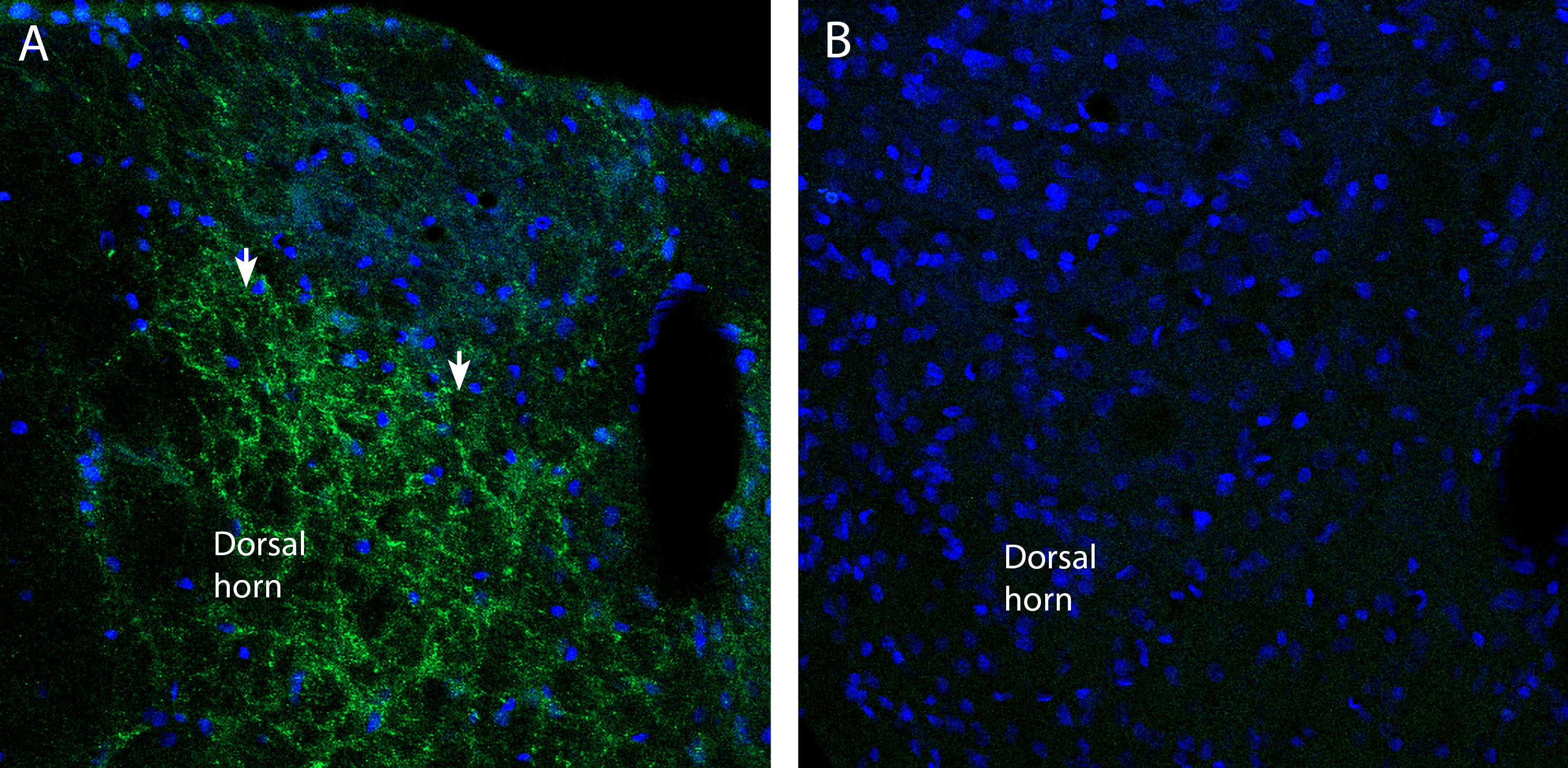 A Rabbit Polyclonal Antibody to NaV1.7 (SCN9A) Channel
- Product Code: ASC-027
- Short Description: A Rabbit Polyclonal Antibody to NaV1.7 (SCN9A) Channel
- Host: Rabbit
- Label: Unconjugated
- Reactivity: Rat
- Applications: Live cell imaging, Western blot, Immunocytochemistry, Immunofluorescence, Immunohistochemistry
- Target: Voltage-gated sodium channel type IX subunit alpha, PN1, NENA, NE, ETHA
-

 A Rabbit Polyclonal Antibody to NaV1.7 (SCN9A) Channel
- Product Code: ASC-008
- Short Description: A Rabbit Polyclonal Antibody to NaV1.7 (SCN9A) Channel
- Host: Rabbit
- Label: Unconjugated
- Reactivity: Human, Rat, Mouse
- Applications: Western blot, Immunocytochemistry, Immunofluorescence, Immunohistochemistry
- Target: Voltage-gated sodium channel type IX subunit alpha, PN1, NENA, NE, ETHA
Loading...