-
 A Rabbit Polyclonal Antibody to Adenosine A2B Receptor Conjugated to the Fluorescent Dye FITC
- Product Code: AAR-003-F
- Short Description: A Rabbit Polyclonal Antibody to Adenosine A2B Receptor Conjugated to the Fluorescent Dye FITC
- Host: Rabbit
- Label: FITC
- Reactivity: Human, Rat
- Applications: Flow cytometry
- Target: ADORA2b, A2BAR, Adenosine A2bR
-
 A Rabbit Polyclonal Antibody to Adenosine A3 Receptor
- Product Code: AAR-004
- Short Description: A Rabbit Polyclonal Antibody to Adenosine A3 Receptor
- Host: Rabbit
- Label: Unconjugated
- Reactivity: Human, Mouse
- Applications: Western blot, Immunocytochemistry, Immunofluorescence, Immunohistochemistry
- Target: ADORA3, A3AR, Adenosine A3R
-
 A Rabbit Polyclonal Antibody to Adenylate Cyclase Type III
- Product Code: AAR-043
- Short Description: A Rabbit Polyclonal Antibody to Adenylate Cyclase Type III
- Host: Rabbit
- Label: Unconjugated
- Reactivity: Human, Rat, Mouse
- Applications: Indirect flow cytometry, Live cell imaging, Western blot, Immunocytochemistry, Immunofluorescence, Immunohistochemistry
- Target: Adenylate cyclase type 3, Adenylate cyclase type III, AC-III, ATP pyrophosphate-lyase 3, Adenylate cyclase olfactive type, Adenylyl cyclase 3, ADCY3
-
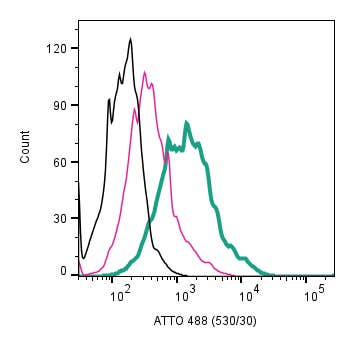 A Rabbit Polyclonal Antibody to Adenylate Cyclase Type III Conjugated to the Fluorescent Dye ATTO-488
- Product Code: AAR-043-AG
- Short Description: A Rabbit Polyclonal Antibody to Adenylate Cyclase Type III Conjugated to the Fluorescent Dye ATTO-488
- Host: Rabbit
- Label: ATTO 488
- Reactivity: Human, Rat, Mouse
- Applications: Live cell imaging, Immunocytochemistry, Immunofluorescence, Flow cytometry
- Target: Adenylate cyclase type 3, Adenylate cyclase type III, AC-III, ATP pyrophosphate-lyase 3, Adenylate cyclase olfactive type, Adenylyl cyclase 3, ADCY3
-
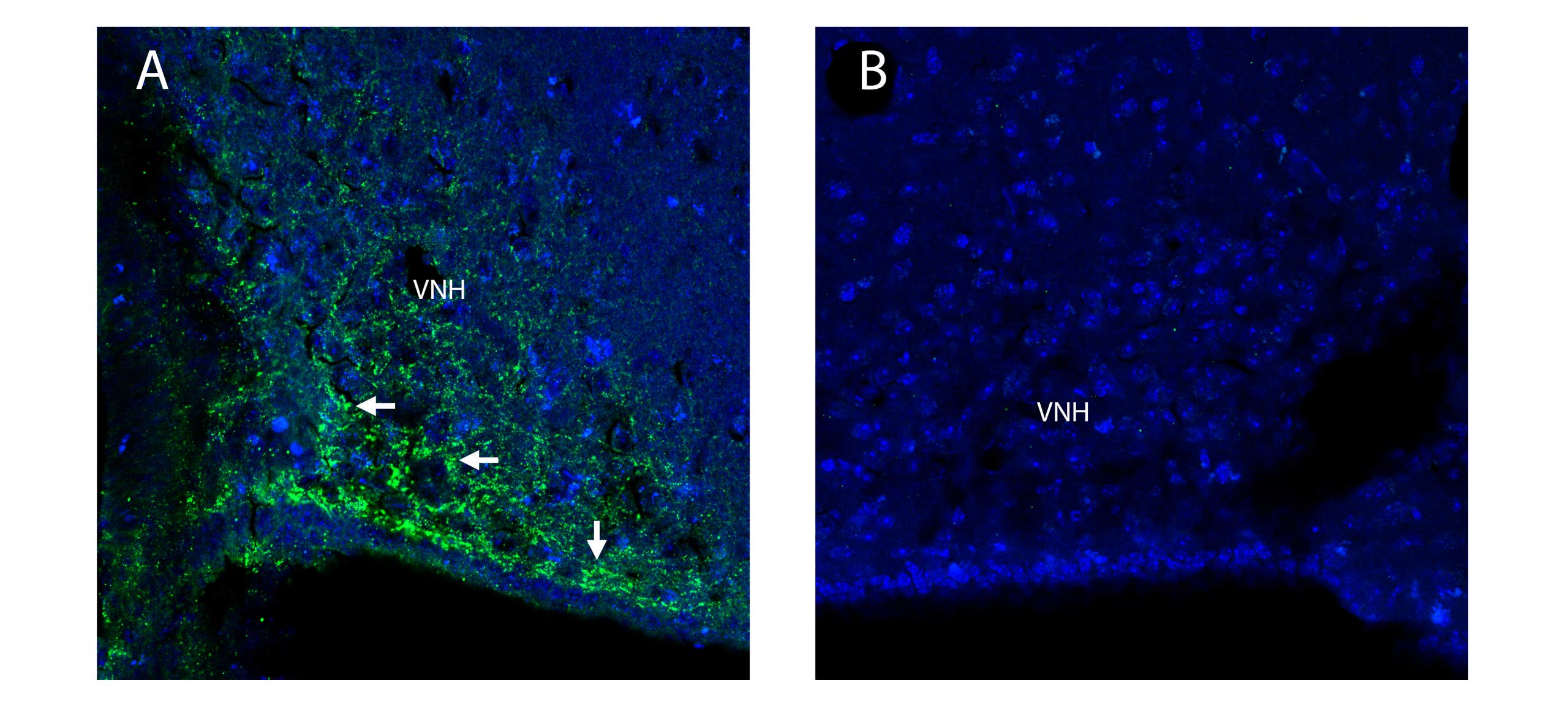 A rabbit polyclonal antibody to Adiponectin Receptor 1
- Product Code: AAR-051
- Short Description: A rabbit polyclonal antibody to Adiponectin Receptor 1
- Host: Rabbit
- Label: Unconjugated
- Reactivity: Human, Rat, Mouse
- Applications: Western blot, Immunohistochemistry
- Target: AdipoR1
-
 A Rabbit Polyclonal Antibody to AKAP12
- Product Code: APZ-033
- Short Description: A Rabbit Polyclonal Antibody to AKAP12
- Host: Rabbit
- Label: Unconjugated
- Reactivity: Human, Rat, Mouse
- Applications: Western blot, Immunofluorescence, Immunohistochemistry
- Target: A-kinase anchoring protein 12, A-kinase anchor protein 250 kDa, AKAP250, Gravin, Myasthenia gravis autoantigen gravin, Src-suppressed C kinase substrate, SSeCKS
-
 A Rabbit Polyclonal Antibody to Alpha 1 Na+/K+ ATPase
- Product Code: ANP-001
- Short Description: A Rabbit Polyclonal Antibody to Alpha 1 Na+/K+ ATPase
- Host: Rabbit
- Label: Unconjugated
- Reactivity: Human, Rat, Mouse
- Applications: Western blot, Immunofluorescence, Immunohistochemistry
- Target: ATP1A1, Sodium/potassium ATPase catalytic subunit alpha-1, Sodium pump subunit alpha-1
-
 A Rabbit Polyclonal Antibody to Angiotensin II Receptor Type-1
- Product Code: AAR-011
- Short Description: A Rabbit Polyclonal Antibody to Angiotensin II Receptor Type-1
- Host: Rabbit
- Label: Unconjugated
- Reactivity: Human, Rat, Mouse
- Applications: Indirect flow cytometry, Live cell imaging, Western blot, Immunocytochemistry, Immunofluorescence, Immunohistochemistry
- Target: AT1 Receptor, AT1R, AGTR1
-
 A Rabbit Polyclonal Antibody to Angiotensin II Receptor Type-1 Conjugated to the Fluorescent Dye ATTO-550
- Product Code: AAR-011-AO
- Short Description: A Rabbit Polyclonal Antibody to Angiotensin II Receptor Type-1 Conjugated to the Fluorescent Dye ATTO-550
- Host: Rabbit
- Label: ATTO 550
- Reactivity: Human, Rat, Mouse
- Applications: Live cell imaging, Immunocytochemistry, Immunofluorescence, Immunohistochemistry
- Target: AT1 Receptor, AT1R, AGTR1
-
 A Rabbit Polyclonal Antibody to Angiotensin II Receptor Type-1 Conjugated to the Fluorescent Dye FITC
- Product Code: AAR-011-F
- Short Description: A Rabbit Polyclonal Antibody to Angiotensin II Receptor Type-1 Conjugated to the Fluorescent Dye FITC
- Host: Rabbit
- Label: FITC
- Reactivity: Human, Rat, Mouse
- Applications: Live cell imaging, Flow cytometry
- Target: AT1 Receptor, AT1R, AGTR1
Loading...