-
 A Rabbit Polyclonal Antibody to CXCR7 Chemokine Receptor Conjugated to the Fluorescent Dye ATTO-488
- Product Code: ACR-037-AG
- Short Description: A Rabbit Polyclonal Antibody to CXCR7 Chemokine Receptor Conjugated to the Fluorescent Dye ATTO-488
- Host: Rabbit
- Label: ATTO 488
- Reactivity: Human, Rat, Mouse
- Applications: Live cell imaging, Flow cytometry, Immunohistochemistry
- Target: Atypical chemokine receptor 3, C-X-C chemokine receptor type 7, CXCR-7, Chemokine orphan receptor 1, G-protein coupled receptor RDC1 homolog, CMKOR1, GPR159
-
 A Rabbit Polyclonal Antibody to D4 Dopamine Receptor
- Product Code: ADR-004
- Short Description: A Rabbit Polyclonal Antibody to D4 Dopamine Receptor
- Host: Rabbit
- Label: Unconjugated
- Reactivity: Rat, Mouse
- Applications: Western blot
- Target: DRD4, D4DR, D(2C) dopamine receptor
-
 A Rabbit Polyclonal Antibody to Dipeptidyl Peptidase 10
- Product Code: APC-147
- Short Description: A Rabbit Polyclonal Antibody to Dipeptidyl Peptidase 10
- Host: Rabbit
- Label: Unconjugated
- Reactivity: Human, Rat, Mouse
- Applications: Western blot, Immunofluorescence, Immunohistochemistry
- Target: Inactive dipeptidyl peptidase 10, Dipeptidyl peptidase X, DPP X, DPPY, DPL2, DPRP3
-
 A Rabbit Polyclonal Antibody to Dipeptidyl Peptidase 6
- Product Code: APC-146
- Short Description: A Rabbit Polyclonal Antibody to Dipeptidyl Peptidase 6
- Host: Rabbit
- Label: Unconjugated
- Reactivity: Human, Rat, Mouse
- Applications: Western blot, Immunofluorescence, Immunohistochemistry
- Target: Dipeptidyl peptidase 6, Dipeptidyl aminopeptidase-like protein 6, DPP VI, DPPX, VF2
-
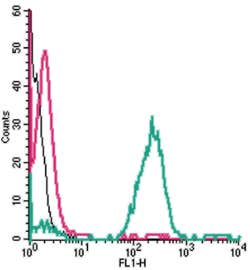 A Rabbit Polyclonal Antibody to EMR1
- Product Code: AER-051
- Short Description: A Rabbit Polyclonal Antibody to EMR1
- Host: Rabbit
- Label: Unconjugated
- Reactivity: Human, Rat, Mouse
- Applications: Indirect flow cytometry, Live cell imaging, Western blot, Immunocytochemistry, Immunofluorescence
- Target: EMR1 hormone receptor, EGF-like module-containing mucin-like hormone receptor-like 1, Adhesion G protein-coupled receptor E1, TM7LN3, F4/80, GPF480
-
 A Rabbit Polyclonal Antibody to EMR1 Conjugated to the Fluorescent Dye FITC
- Product Code: AER-051-F
- Short Description: A Rabbit Polyclonal Antibody to EMR1 Conjugated to the Fluorescent Dye FITC
- Host: Rabbit
- Label: FITC
- Reactivity: Human, Rat, Mouse
- Applications: Flow cytometry
- Target: EMR1 hormone receptor, EGF-like module-containing mucin-like hormone receptor-like 1, Adhesion G protein-coupled receptor E1, TM7LN3, F4/80, GPF480
-
 A Rabbit Polyclonal Antibody to ENaCα Channel
- Product Code: ASC-030
- Short Description: A Rabbit Polyclonal Antibody to ENaCα Channel
- Host: Rabbit
- Label: Unconjugated
- Reactivity: Human, Rat, Mouse
- Applications: Western blot, Immunohistochemistry
- Target: Amiloride-sensitive sodium channel subunit alpha, Alpha-NaCH, Epithelial sodium channel α subunit, Alpha-ENaC, Nonvoltage-gated sodium channel 1 subunit alpha, SCNEA
-
 A Rabbit Polyclonal Antibody to ENaCβ Channel
- Product Code: ASC-019
- Short Description: A Rabbit Polyclonal Antibody to ENaCβ Channel
- Host: Rabbit
- Label: Unconjugated
- Reactivity: Rat, Mouse
- Applications: Western blot, Immunohistochemistry
- Target: Amiloride-sensitive sodium channel subunit beta, Beta-NaCH, Epithelial sodium channel β subunit, Beta-ENaC, Nonvoltage-gated sodium channel 1 subunit beta, SCNEB
-
 A Rabbit Polyclonal Antibody to ENaC? Channel
- Product Code: ASC-011
- Short Description: A Rabbit Polyclonal Antibody to ENaC? Channel
- Host: Rabbit
- Label: Unconjugated
- Reactivity: Mouse
- Applications: Western blot, Immunohistochemistry
- Target: Amiloride-sensitive sodium channel subunit gamma, Epithelial sodium channel γ subunit, Gamma-ENaC, Gamma-NaCH, Nonvoltage-gated sodium channel 1 subunit gamma, SCNEG
-
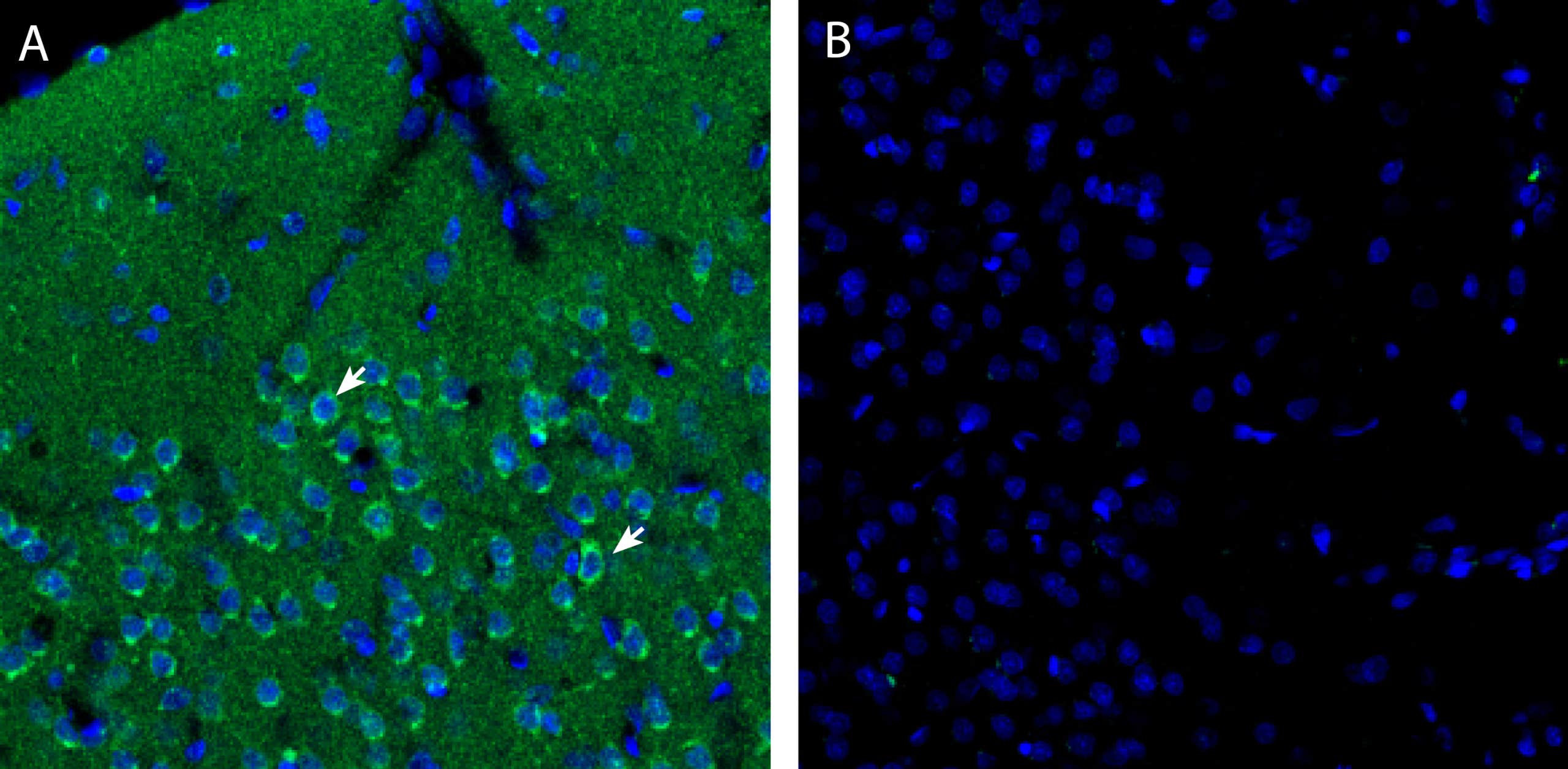 A Rabbit Ployclonal Antibody to Endothelin Receptor A
- Product Code: AER-004
- Short Description: A Rabbit Ployclonal Antibody to Endothelin Receptor A
- Host: Rabbit
- Label: Unconjugated
- Reactivity: Human, Rat, Mouse
- Applications: Indirect flow cytometry, Live cell imaging, Western blot
- Target: EDNRA, ET-A, ET-AR, ETRA, ET1-Specific type endothelin receptor, Endothelin-1 receptor, Endothelin Receptor Type A
Loading...