-
 A Rabbit Polyclonal Antibody to Taurine Transporter (SLC6A6)
- Product Code: AGT-006
- Short Description: A Rabbit Polyclonal Antibody to Taurine Transporter (SLC6A6)
- Host: Rabbit
- Label: Unconjugated
- Reactivity: Human, Rat, Mouse
- Applications: Western blot
- Target: Sodium- and chloride-dependent taurine transporter, TauT
-
 A Rabbit Polyclonal Antibody to G-Protein Coupled Bile Acid Receptor 1 (TGR5)
- Product Code: ABR-031
- Short Description: A Rabbit Polyclonal Antibody to G-Protein Coupled Bile Acid Receptor 1 (TGR5)
- Host: Rabbit
- Label: Unconjugated
- Reactivity: Rat, Mouse
- Applications: Western blot
- Target: G-protein coupled bile acid receptor 1, M-BAR, GPR131, BG37
-
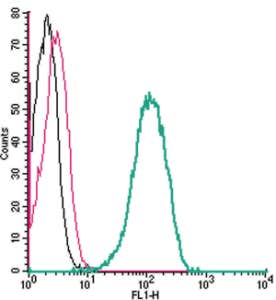 A Rabbit Polyclonal antibody to Thromboxane A2 Receptor (extracellular).
- Product Code: APR-095
- Short Description: A Rabbit Polyclonal antibody to Thromboxane A2 Receptor (extracellular).
- Host: Rabbit
- Label: Unconjugated
- Reactivity: Human, Rat, Mouse
- Applications: Indirect flow cytometry, Live cell imaging, Western blot
- Target: Prostanoid TP receptor, TXA2-R, TBXA2R
-
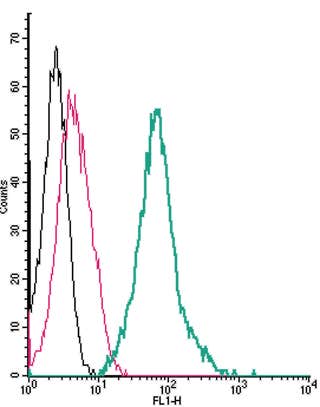 A Rabbit Polyclonal Antibody to Thromboxane A2 Receptor (extracellular) conjugated to the fluorescent dye FITC
- Product Code: APR-095-F
- Short Description: A Rabbit Polyclonal Antibody to Thromboxane A2 Receptor (extracellular) conjugated to the fluorescent dye FITC
- Host: Rabbit
- Label: FITC
- Reactivity: Human, Rat, Mouse
- Applications: Live cell imaging, Flow cytometry
- Target: Prostanoid TP receptor, TXA2-R, TBXA2R
-
 A Rabbit Polyclonal Antibody to Thromboxane A2 Receptor
- Product Code: APR-069
- Short Description: A Rabbit Polyclonal Antibody to Thromboxane A2 Receptor
- Host: Rabbit
- Label: Unconjugated
- Reactivity: Human, Rat, Mouse
- Applications: Western blot, Immunofluorescence, Immunohistochemistry
- Target: Prostanoid TP receptor, TXA2-R, TBXA2R
-
 A Rabbit Polyclonal Antibody to TMC6 Channel
- Product Code: ATC-006
- Short Description: A Rabbit Polyclonal Antibody to TMC6 Channel
- Host: Rabbit
- Label: Unconjugated
- Reactivity: Human, Mouse
- Applications: Western blot
- Target: Transmembrane channel-like protein 6, Epidermodysplasia verruciformis protein 1, Protein LAK-4, LAK4P, EVIN1, EV1
-
 A Rabbit Polyclonal antibody to TMEM150C/Tentonin 3 (extracellular).
- Product Code: APC-088
- Short Description: A Rabbit Polyclonal antibody to TMEM150C/Tentonin 3 (extracellular).
- Host: Rabbit
- Label: Unconjugated
- Reactivity: Rat, Mouse
- Applications: Indirect flow cytometry, Live cell imaging, Western blot, Immunohistochemistry
- Target: Transmembrane Protein 150C, TTN3
-
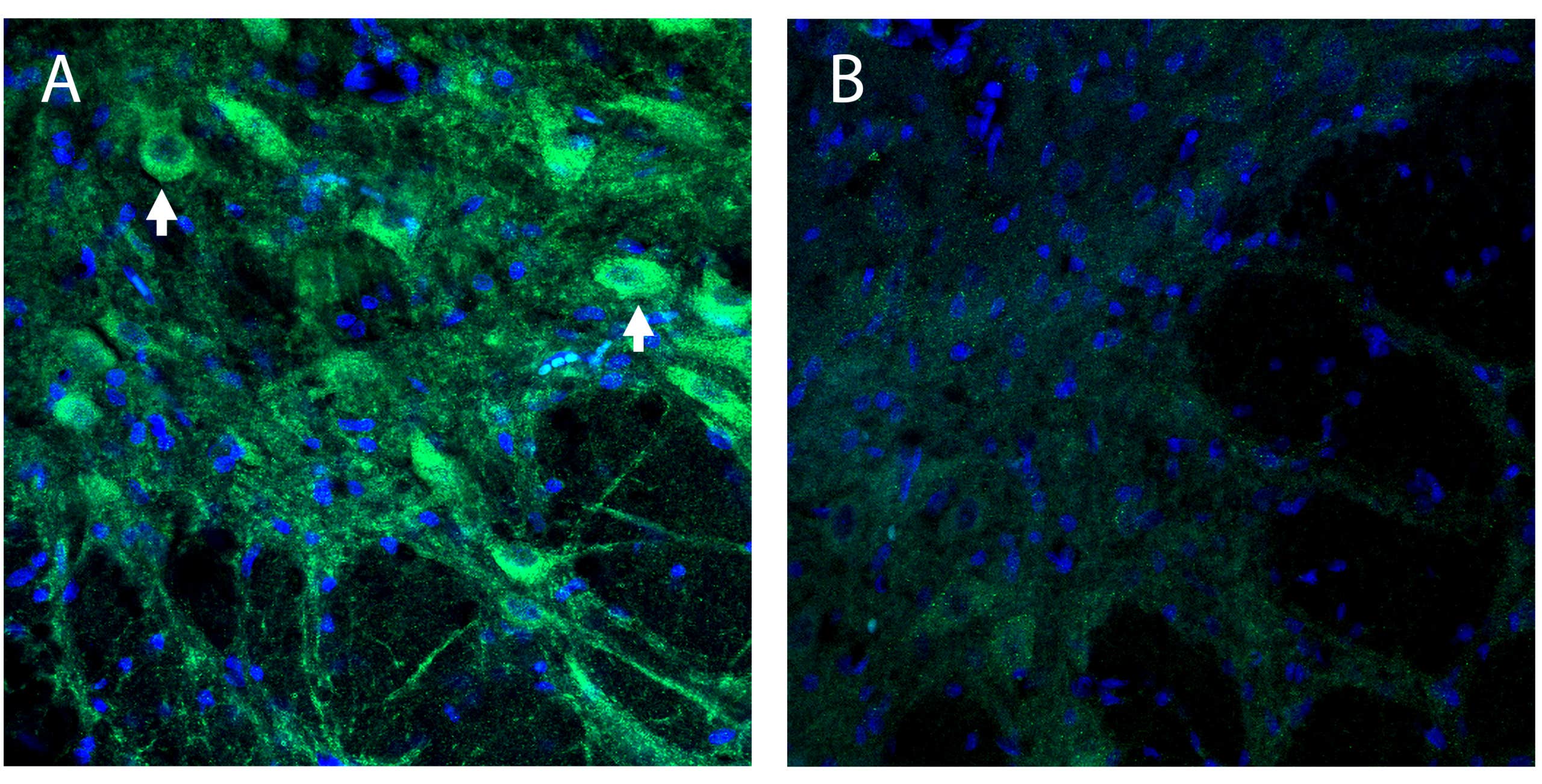 A Rabbit Polyclonal Antibody to Anoctamin-1 (TMEM16A) Channel
- Product Code: ACL-011
- Short Description: A Rabbit Polyclonal Antibody to Anoctamin-1 (TMEM16A) Channel
- Host: Rabbit
- Label: Unconjugated
- Reactivity: Rat, Mouse
- Applications: Indirect flow cytometry, Live cell imaging, Western blot, Immunofluorescence, Immunohistochemistry
- Target: Anoctamin-1, Transmembrane protein 16A, DOG-1, ORAOV2, TAOS2
-
 A Rabbit Polyclonal Antibody to TMEM66
- Product Code: ACC-067
- Short Description: A Rabbit Polyclonal Antibody to TMEM66
- Host: Rabbit
- Label: Unconjugated
- Reactivity: Human, Rat, Mouse
- Applications: Western blot, Immunofluorescence, Immunohistochemistry
- Target: Store-operated calcium entry-associated regulatory factor, SOCE-associated regulatory factor, SARAF, Transmembrane protein 66
-
 A Rabbit Polyclonal Antibody to TMEM66 Conjugated to the Fluorescent Dye ATTO-594
- Product Code: ACC-067-AR
- Short Description: A Rabbit Polyclonal Antibody to TMEM66 Conjugated to the Fluorescent Dye ATTO-594
- Host: Rabbit
- Label: ATTO 594
- Reactivity: Human, Rat, Mouse
- Applications: Immunofluorescence, Immunohistochemistry
- Target: Store-operated calcium entry-associated regulatory factor, SOCE-associated regulatory factor, SARAF, Transmembrane protein 66
Loading...