-
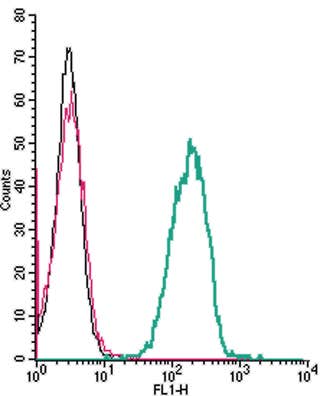 A Rabbit Polyclonal Antibody to C5a Anaphylatoxin Receptor
- Product Code: AAR-032
- Short Description: A Rabbit Polyclonal Antibody to C5a Anaphylatoxin Receptor
- Host: Rabbit
- Label: Unconjugated
- Reactivity: Human
- Applications: Indirect flow cytometry, Live cell imaging, Western blot
- Target: C5a1 receptor, C5a anaphylatoxin chemotactic receptor 1, C5a anaphylatoxin receptor, C5R1, Complement component 5a receptor 1, CD88
-
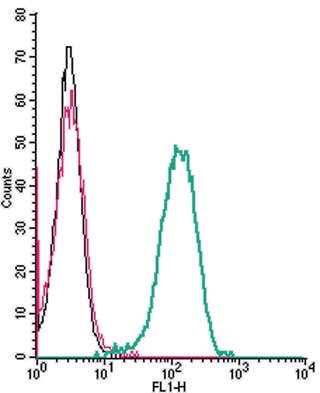 A Rabbit Polyclonal Antibody to C5a Anaphylatoxin Receptor 2
- Product Code: AAR-033
- Short Description: A Rabbit Polyclonal Antibody to C5a Anaphylatoxin Receptor 2
- Host: Rabbit
- Label: Unconjugated
- Reactivity: Human
- Applications: Indirect flow cytometry, Live cell imaging, Western blot
- Target: C5a anaphylatoxin chemotactic receptor 2, C5a anaphylatoxin receptor 2, Complement component 5a receptor 2, G-protein coupled receptor 77, C5L2, GPR77
-
 A Rabbit Polyclonal Antibody to Cannabinoid Receptor 2
- Product Code: ACR-003
- Short Description: A Rabbit Polyclonal Antibody to Cannabinoid Receptor 2
- Host: Rabbit
- Label: Unconjugated
- Reactivity: Human
- Applications: Indirect flow cytometry, Live cell imaging, Western blot, Immunocytochemistry, Immunofluorescence
- Target: CB2, CNR2
-
 A Rabbit Polyclonal Antibody to Human CaV1.2 (CACNA1C) Channel
- Product Code: ACC-022
- Short Description: A Rabbit Polyclonal Antibody to Human CaV1.2 (CACNA1C) Channel
- Host: Rabbit
- Label: Unconjugated
- Reactivity: Human, Rat, Mouse
- Applications: Western blot, Immunocytochemistry, Immunofluorescence
- Target: Human α1C, Voltage-dependent L-type calcium channel subunit alpha-1C.
-
 A Rabbit Polyclonal Antibody to CCR2 Receptor
- Product Code: ACR-022
- Short Description: A Rabbit Polyclonal Antibody to CCR2 Receptor
- Host: Rabbit
- Label: Unconjugated
- Reactivity: Human
- Applications: Indirect flow cytometry, Live cell imaging, Western blot
- Target: C-C chemokine receptor type 2, Monocyte chemoattractant protein 1 receptor, MCP-1 receptor, CC-CKR-2, CD192
-
 A Rabbit Polyclonal Antibody to CCR3 Chemokine Receptor
- Product Code: ACR-023
- Short Description: A Rabbit Polyclonal Antibody to CCR3 Chemokine Receptor
- Host: Rabbit
- Label: Unconjugated
- Reactivity: Human
- Applications: Indirect flow cytometry, Live cell imaging, Western blot
- Target: C-C chemokine receptor type 3, Eosinophil eotaxin receptor, CKR3, C-C CKR-3, CMKBR3, B-chemokine receptor, CD193 antigen
-
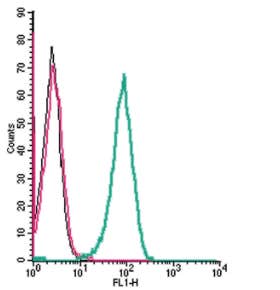 A Rabbit Polyclonal Antibody to CCR5 Chemokine Receptor
- Product Code: ACR-025
- Short Description: A Rabbit Polyclonal Antibody to CCR5 Chemokine Receptor
- Host: Rabbit
- Label: Unconjugated
- Reactivity: Human
- Applications: Indirect flow cytometry, Live cell imaging, Western blot
- Target: C-C chemokine receptor type 5, C-C CKR-5, CHEMR13, HIV-1 fusion coreceptor, CD195
-
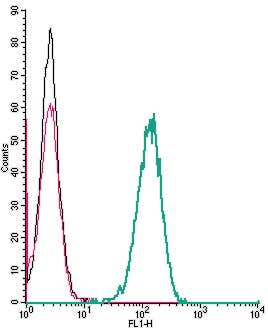 A Rabbit Polyclonal Antibody to CXCR1 Chemokine Receptor
- Product Code: ACR-011
- Short Description: A Rabbit Polyclonal Antibody to CXCR1 Chemokine Receptor
- Host: Rabbit
- Label: Unconjugated
- Reactivity: Human
- Applications: Indirect flow cytometry, Live cell imaging, Western blot
- Target: C-X-C chemokine receptor type 1, Interleukin-8 receptor A, IL-8R A, IL8RA, IL-8 receptor type 1, CD181
-
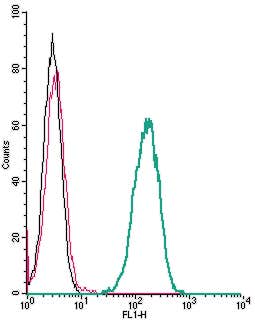 A Rabbit Polyclonal Antibody to CXCR2 Chemokine Receptor
- Product Code: ACR-012
- Short Description: A Rabbit Polyclonal Antibody to CXCR2 Chemokine Receptor
- Host: Rabbit
- Label: Unconjugated
- Reactivity: Human
- Applications: Indirect flow cytometry, Live cell imaging, Western blot
- Target: C-X-C chemokine receptor type 2, Interleukin-8 receptor B, IL-8R B, IL8RB, IL-8 receptor type 2, CD182
-
 A Rabbit Polyclonal Antibody to CXCR2 Chemokine Receptor Conjugated to the Fluorescent Dye ATTO-488
- Product Code: ACR-012-AG
- Short Description: A Rabbit Polyclonal Antibody to CXCR2 Chemokine Receptor Conjugated to the Fluorescent Dye ATTO-488
- Host: Rabbit
- Label: ATTO 488
- Reactivity: Human
- Applications: Live cell imaging, Flow cytometry
- Target: C-X-C chemokine receptor type 2, Interleukin-8 receptor B, IL-8R B, IL8RB, IL-8 receptor type 2, CD182
Loading...