-
 A Rabbit Polyclonal Antibody to Glycine Receptor β
- Product Code: AGR-014
- Short Description: A Rabbit Polyclonal Antibody to Glycine Receptor β
- Host: Rabbit
- Label: Unconjugated
- Reactivity: Human, Rat, Mouse
- Applications: Western blot
- Target: Glycine receptor subunit beta, Glycine receptor 58 kDa subunit, GLRB, GlyRβ
-
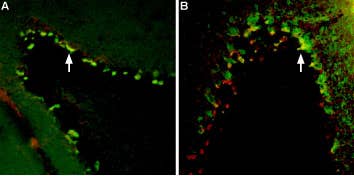
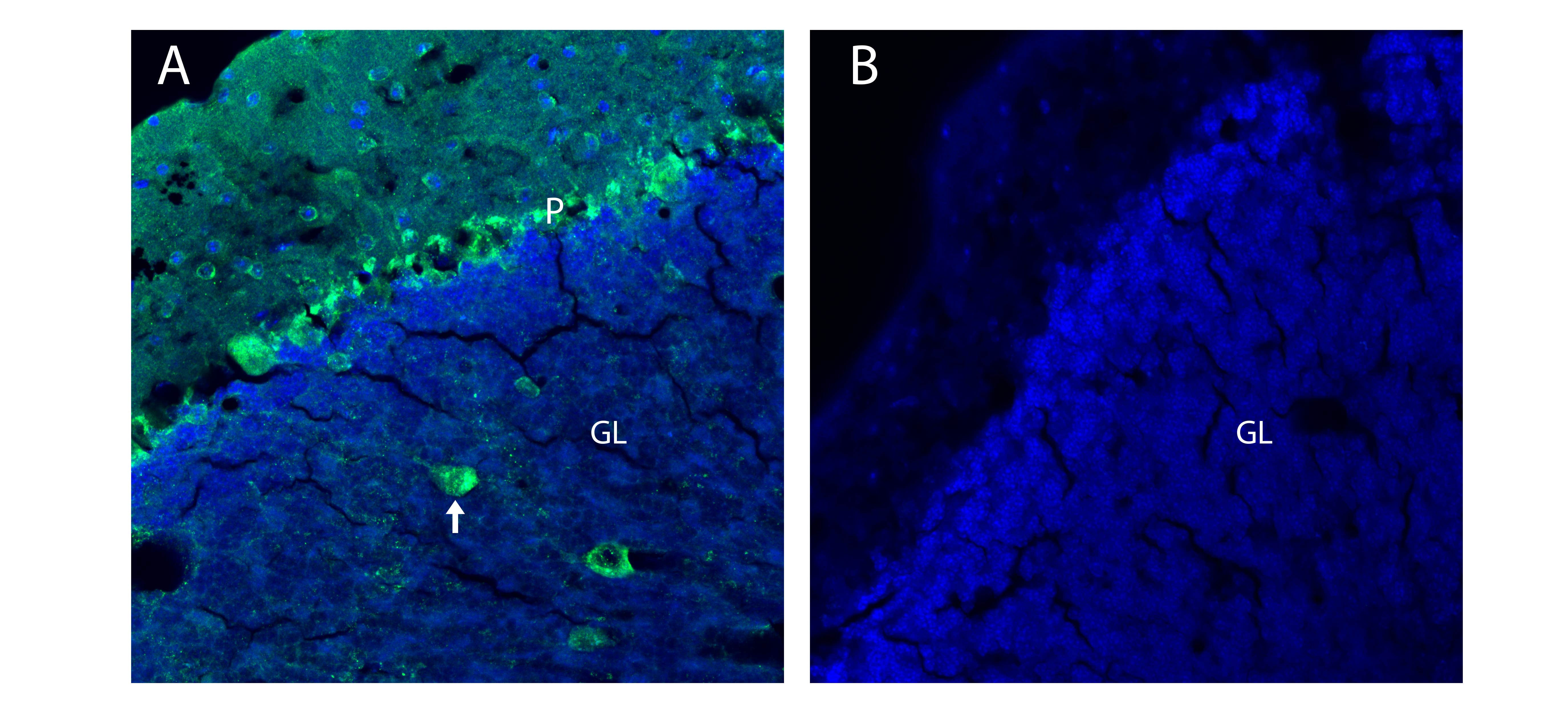
 A Rabbit Polyclonal Antibody to GPR52
- Product Code: AGR-058
- Short Description: A Rabbit Polyclonal Antibody to GPR52
- Host: Rabbit
- Label: Unconjugated
- Reactivity: Human, Rat, Mouse
- Applications: Western blot, Immunofluorescence, Immunohistochemistry
- Target: G-Protein Coupled Receptor 52
-
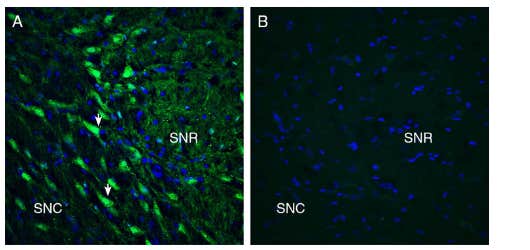 A Rabbit Polyclonal Antibody to GPR55
- Product Code: ACR-062
- Short Description: A Rabbit Polyclonal Antibody to GPR55
- Host: Rabbit
- Label: Unconjugated
- Reactivity: Rat, Mouse
- Applications: Indirect flow cytometry, Western blot, Immunohistochemistry
- Target: G-Protein Coupled Receptor 55
-
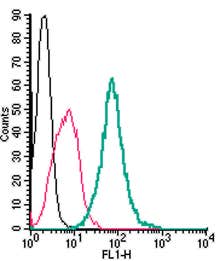 A Rabbit Polyclonal Antibody to GPR55 Conjugated to the Fluorescent Dye FITC
- Product Code: ACR-062-F
- Short Description: A Rabbit Polyclonal Antibody to GPR55 Conjugated to the Fluorescent Dye FITC
- Host: Rabbit
- Label: FITC
- Reactivity: Rat, Mouse
- Applications: Live cell imaging, Flow cytometry
- Target: G-Protein Coupled Receptor 55
-
 A Rabbit Polyclonal Antibody to Kainate Receptor GluK1
- Product Code: AGC-008
- Short Description: A Rabbit Polyclonal Antibody to Kainate Receptor GluK1
- Host: Rabbit
- Label: Unconjugated
- Reactivity: Mouse
- Applications: Live cell imaging, Western blot, Immunocytochemistry, Immunofluorescence, Immunohistochemistry
- Target: Glutamate receptor ionotropic kainate 1, Glutamate receptor 5, GluR5
-
 A Rabbit Polyclonal Antibody to Kainate Receptor GluK2
- Product Code: AGC-009
- Short Description: A Rabbit Polyclonal Antibody to Kainate Receptor GluK2
- Host: Rabbit
- Label: Unconjugated
- Reactivity: Human, Rat, Mouse
- Applications: Western blot, Immunocytochemistry, Immunofluorescence
- Target: Glutamate receptor ionotropic kainate 2, Glutamate receptor 6, GluR6, GLUK6
-
 A Rabbit Polyclonal Antibody to Kainate Receptor GluK3
- Product Code: AGC-040
- Short Description: A Rabbit Polyclonal Antibody to Kainate Receptor GluK3
- Host: Rabbit
- Label: Unconjugated
- Reactivity: Human, Rat, Mouse
- Applications: Western blot, Immunofluorescence, Immunohistochemistry
- Target: Glutamate receptor ionotropic kainate 3, Glutamate receptor 7, GluR7
-

 A Rabbit Polyclonal Antibody to Kainate Receptor GluK4
- Product Code: AGC-041
- Short Description: A Rabbit Polyclonal Antibody to Kainate Receptor GluK4
- Host: Rabbit
- Label: Unconjugated
- Reactivity: Human, Rat, Mouse
- Applications: Western blot, Immunocytochemistry, Immunofluorescence, Immunohistochemistry
- Target: Glutamate receptor ionotropic kainate 4, GluK4, Glutamate receptor KA-1
-
 A Rabbit Polyclonal Antibody to Kainate Receptor GluK5
- Product Code: AGC-042
- Short Description: A Rabbit Polyclonal Antibody to Kainate Receptor GluK5
- Host: Rabbit
- Label: Unconjugated
- Reactivity: Human, Rat, Mouse
- Applications: Western blot, Immunocytochemistry, Immunofluorescence, Immunohistochemistry
- Target: Glutamate receptor ionotropic kainate 5, Glutamate receptor KA-2, KA2
-
 A Rabbit Polyclonal Antibody to GSG1L
- Product Code: AGC-048
- Short Description: A Rabbit Polyclonal Antibody to GSG1L
- Host: Rabbit
- Label: Unconjugated
- Reactivity: Human, Rat, Mouse
- Applications: Western blot, Immunofluorescence, Immunohistochemistry
- Target: Germ cell-specific gene 1-like protein, GSG1-like protein
Loading...