-
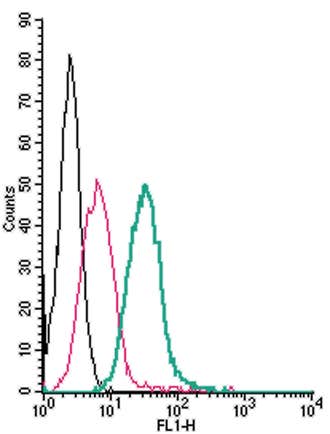 A Rabbit Polyclonal Antibody to GPR35 (extracellular) conjugated to the fluorescent dye FITC
- Product Code: AGR-051-F
- Short Description: A Rabbit Polyclonal Antibody to GPR35 (extracellular) conjugated to the fluorescent dye FITC
- Host: Rabbit
- Label: FITC
- Reactivity: Rat, Mouse
- Applications: Live cell imaging, Flow cytometry
- Target: G-Protein Coupled Receptor 35, Kynurenic Acid Receptor
-
 A Rabbit Polyclonal Antibody to GPR37
- Product Code: AGR-049
- Short Description: A Rabbit Polyclonal Antibody to GPR37
- Host: Rabbit
- Label: Unconjugated
- Reactivity: Human, Rat, Mouse
- Applications: Indirect flow cytometry, Western blot
- Target: G-protein coupled receptor 37, Prosaposin receptor GPR37, Parkin-associated endothelin receptor-like receptor, Endothelin B receptor-like protein 1
-
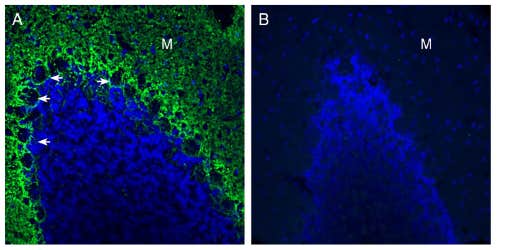
 A Rabbit Polyclonal Antibody to GPR37L1 (extracellular)
- Product Code: AGR-050
- Short Description: A Rabbit Polyclonal Antibody to GPR37L1 (extracellular)
- Host: Rabbit
- Label: Unconjugated
- Reactivity: Human, Rat, Mouse
- Applications: Indirect flow cytometry, Live cell imaging, Western blot, Immunohistochemistry
- Target: G-Protein Coupled Receptor 37-Like 1, Endothelin B Receptor-Like Protein 2, ETBRLP2, Prosaposin Receptor GPR37L1
-
 A Rabbit Polyclonal Antibody to GPR4
- Product Code: AGR-041
- Short Description: A Rabbit Polyclonal Antibody to GPR4
- Host: Rabbit
- Label: Unconjugated
- Reactivity: Human, Rat, Mouse
- Applications: Indirect flow cytometry, Live cell imaging, Western blot, Immunohistochemistry
- Target: Acid-sensing G-protein coupled receptor 4, GPR19
-
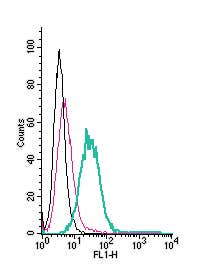 A Rabbit Polyclonal Antibody to GPR4 (extracellular) conjugated to the fluorescent dye FITC
- Product Code: AGR-041-F
- Short Description: A Rabbit Polyclonal Antibody to GPR4 (extracellular) conjugated to the fluorescent dye FITC
- Host: Rabbit
- Label: FITC
- Reactivity: Human, Rat, Mouse
- Applications: Live cell imaging, Flow cytometry
- Target: Acid-sensing G-protein coupled receptor 4, GPR19
-
 A Rabbit Polyclonal Antibody to GPR52
- Product Code: AGR-058
- Short Description: A Rabbit Polyclonal Antibody to GPR52
- Host: Rabbit
- Label: Unconjugated
- Reactivity: Human, Rat, Mouse
- Applications: Western blot, Immunofluorescence, Immunohistochemistry
- Target: G-Protein Coupled Receptor 52
-
 A Rabbit Polyclonal Antibody to GPR65 (TDAG8)
- Product Code: AGR-043
- Short Description: A Rabbit Polyclonal Antibody to GPR65 (TDAG8)
- Host: Rabbit
- Label: Unconjugated
- Reactivity: Human, Rat, Mouse
- Applications: Indirect flow cytometry, Live cell imaging, Western blot, Immunofluorescence, Immunohistochemistry
- Target: G-protein coupled receptor 65, T-cell death-associated gene 8 protein, Psychosine receptor
-
 A Rabbit Polyclonal Antibody to GPR65 (TDAG8) Conjugated to the Fluorescent Dye FITC
- Product Code: AGR-043-F
- Short Description: A Rabbit Polyclonal Antibody to GPR65 (TDAG8) Conjugated to the Fluorescent Dye FITC
- Host: Rabbit
- Label: FITC
- Reactivity: Human, Rat, Mouse
- Applications: Live cell imaging, Flow cytometry
- Target: G-protein coupled receptor 65, T-cell death-associated gene 8 protein, Psychosine receptor
-
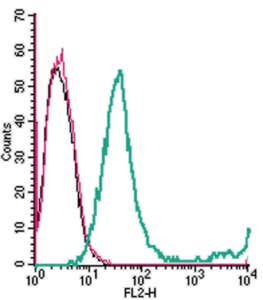 A Rabbit Polyclonal Antibody to GPR65 Conjugated to the Fluorescent Dye Phycoerythrin
- Product Code: AGR-043-PE
- Short Description: A Rabbit Polyclonal Antibody to GPR65 Conjugated to the Fluorescent Dye Phycoerythrin
- Host: Rabbit
- Label: R-PE
- Reactivity: Human, Rat, Mouse
- Applications: Flow cytometry
- Target: G-protein coupled receptor 65, T-cell death-associated gene 8 protein, Psychosine receptor
-
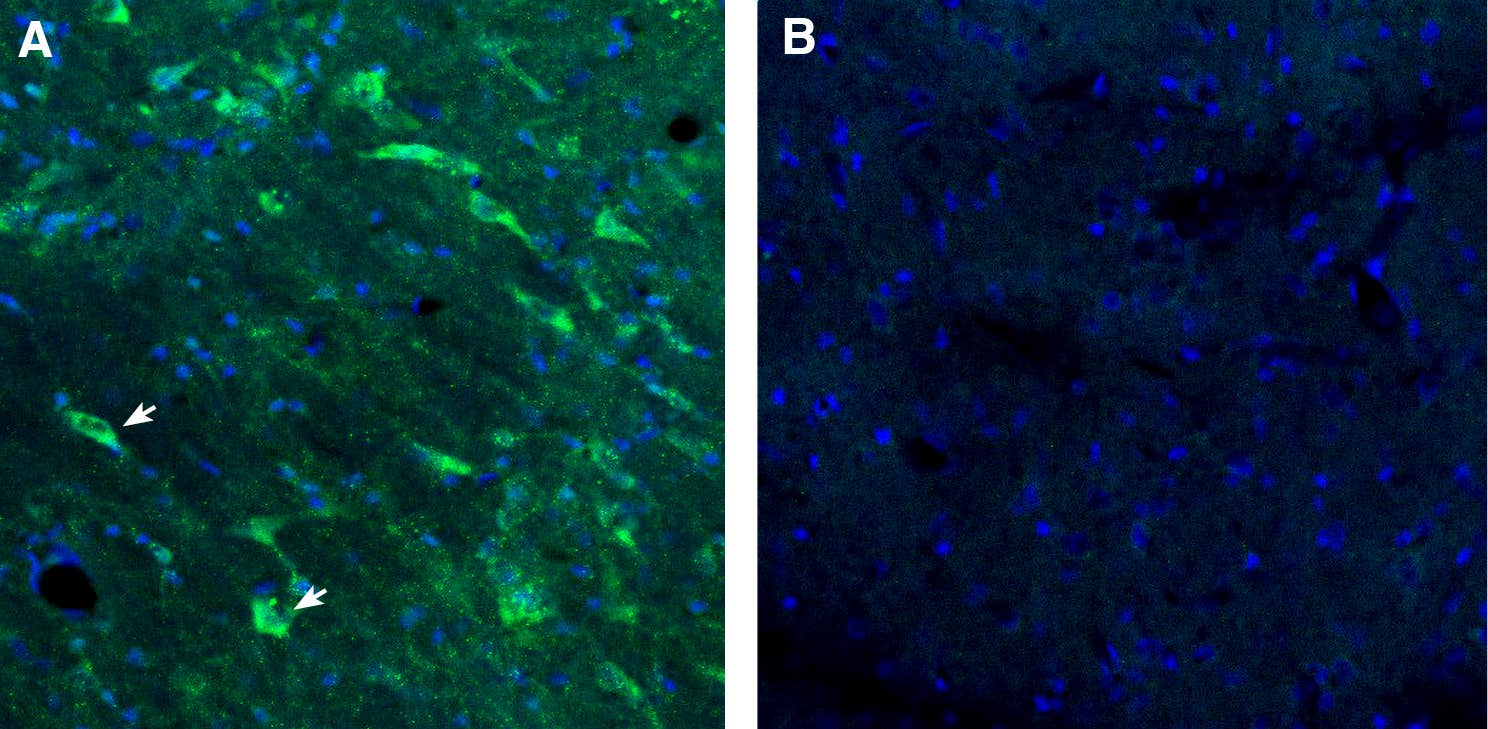 A Rabbit Polyclonal Antibody to GPR88
- Product Code: AGR-038
- Short Description: A Rabbit Polyclonal Antibody to GPR88
- Host: Rabbit
- Label: Unconjugated
- Reactivity: Human, Rat, Mouse
- Applications: Western blot, Immunohistochemistry
- Target: GPR88
Loading...