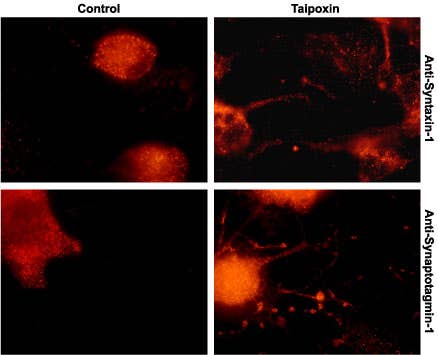
-
 A Rabbit Polyclonal antibody to L1CAM (extracellular)
- Product Code: ANR-046
- Short Description: A Rabbit Polyclonal antibody to L1CAM (extracellular)
- Host: Rabbit
- Label: Unconjugated
- Reactivity: Human, Rat, Mouse
- Applications: Live cell imaging, Western blot, Immunohistochemistry
- Target: Down Syndrome Cell Adhesion Molecule, DS Cell Adhesion Molecule, CHD2
-
 A Rabbit Polyclonal Antibody to Excitatory Amino Acid Transporter 1 (EAAT1, GLAST)
- Product Code: AGC-021
- Short Description: A Rabbit Polyclonal Antibody to Excitatory Amino Acid Transporter 1 (EAAT1, GLAST)
- Host: Rabbit
- Label: Unconjugated
- Reactivity: Human, Rat, Mouse
- Applications: Indirect flow cytometry, Live cell imaging, Western blot, Immunocytochemistry, Immunofluorescence, Immunohistochemistry
- Target: Excitatory amino acid transporter 1, Sodium-dependent glutamate/aspartate transporter 1, GLAST-1, SLC1A3
-
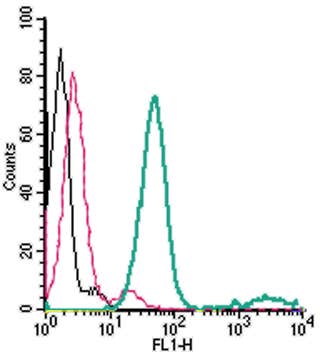 A Rabbit Polyclonal Antibody to Excitatory Amino Acid Transporter 1 (EAAT1, GLAST) Conjugated to the Fluorescent Dye FITC
- Product Code: AGC-021-F
- Short Description: A Rabbit Polyclonal Antibody to Excitatory Amino Acid Transporter 1 (EAAT1, GLAST) Conjugated to the Fluorescent Dye FITC
- Host: Rabbit
- Label: FITC
- Reactivity: Human, Rat, Mouse
- Applications: Live cell imaging, Flow cytometry
- Target: Excitatory amino acid transporter 1, Sodium-dependent glutamate/aspartate transporter 1, GLAST-1, SLC1A3
-

 A Rabbit Polyclonal Antibody to Excitatory Amino Acid Transporter 2 (EAAT2, GLT-1)
- Product Code: AGC-022
- Short Description: A Rabbit Polyclonal Antibody to Excitatory Amino Acid Transporter 2 (EAAT2, GLT-1)
- Host: Rabbit
- Label: Unconjugated
- Reactivity: Human, Rat, Mouse
- Applications: Indirect flow cytometry, Live cell imaging, Western blot, Immunocytochemistry, Immunofluorescence, Immunohistochemistry
- Target: Excitatory amino acid transporter 2, Sodium-dependent glutamate/aspartate transporter 2, SLC1A2
-
 A Rabbit Polyclonal Antibody to Excitatory Amino Acid Transporter 2 (EAAT2, GLT-1) Conjugated to the Fluorescent Dye ATTO-633
- Product Code: AGC-022-FR
- Short Description: A Rabbit Polyclonal Antibody to Excitatory Amino Acid Transporter 2 (EAAT2, GLT-1) Conjugated to the Fluorescent Dye ATTO-633
- Host: Rabbit
- Label: ATTO 633
- Reactivity: Human, Rat, Mouse
- Applications: Live cell imaging, Immunofluorescence, Flow cytometry, Immunohistochemistry
- Target: Excitatory amino acid transporter 2, Sodium-dependent glutamate/aspartate transporter 2, SLC1A2
-
 A Rabbit Polyclonal Antibody to Excitatory Amino Acid Transporter 3 (EAAT3, EAAC1)
- Product Code: AGC-023
- Short Description: A Rabbit Polyclonal Antibody to Excitatory Amino Acid Transporter 3 (EAAT3, EAAC1)
- Host: Rabbit
- Label: Unconjugated
- Reactivity: Human, Rat, Mouse
- Applications: Western blot, Immunocytochemistry, Immunofluorescence, Immunohistochemistry
- Target: Excitatory amino acid transporter 3, Excitatory amino-acid carrier 1, Sodium-dependent glutamate/aspartate transporter 3, SLC1A1
-
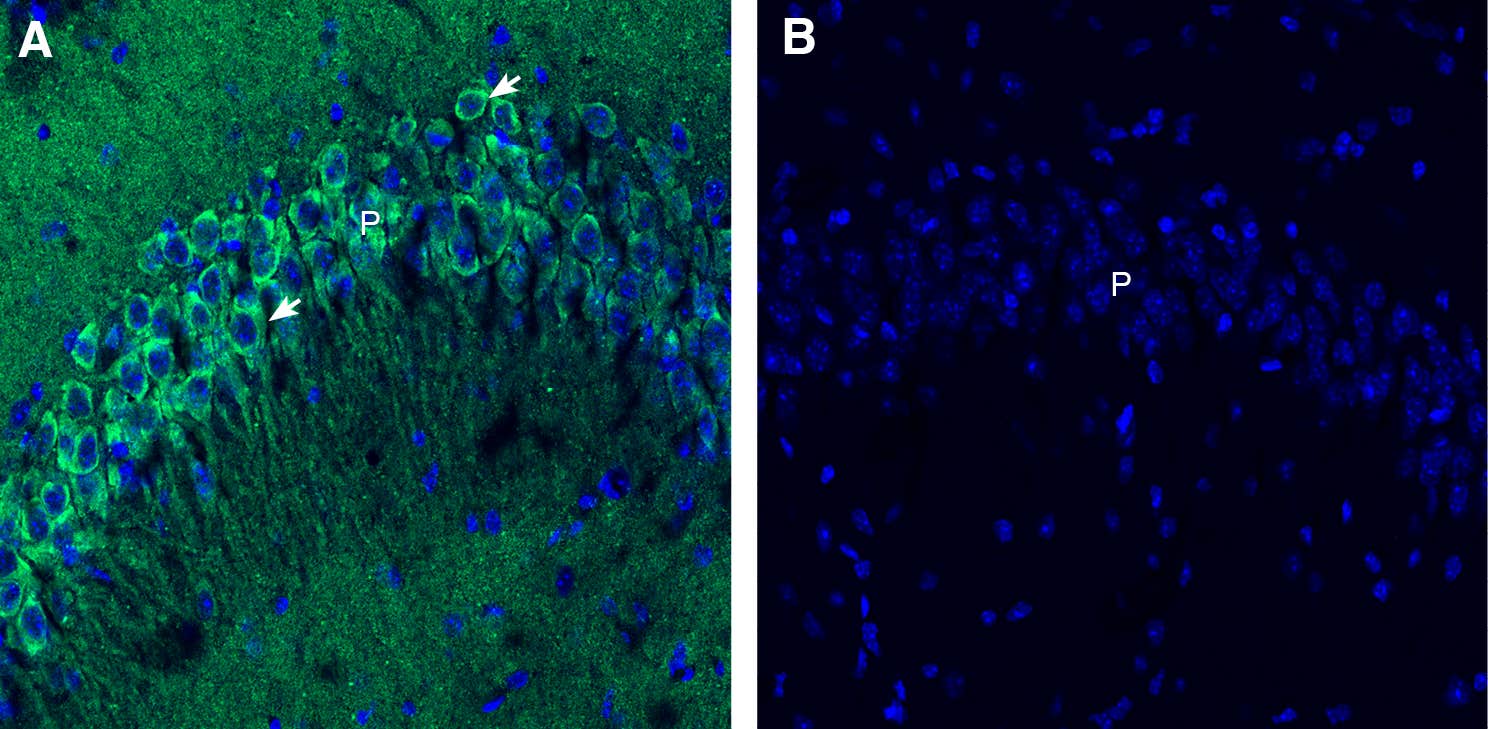 A rabbit polyclonal antibody to Endophilin-A1
- Product Code: APZ-065
- Short Description: A rabbit polyclonal antibody to Endophilin-A1
- Host: Rabbit
- Label: Unconjugated
- Reactivity: Human, Rat, Mouse
- Applications: Western blot, Immunohistochemistry
- Target: SH3GL2
-
 A Rabbit Polyclonal Antibody to EphA1 Receptor
- Product Code: AER-011
- Short Description: A Rabbit Polyclonal Antibody to EphA1 Receptor
- Host: Rabbit
- Label: Unconjugated
- Reactivity: Human, Rat, Mouse
- Applications: Indirect flow cytometry, Live cell imaging, Western blot, Immunocytochemistry, Immunofluorescence, Immunohistochemistry
- Target: Ephrin type-A receptor 1, Eph receptor A1, EPH tyrosine kinase 1, Tyrosine-protein kinase receptor EPH, EPHT1
-
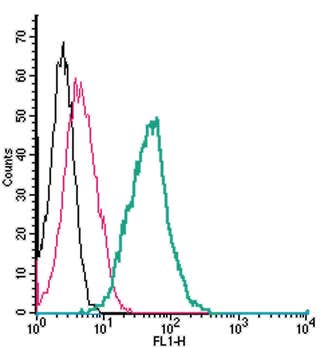 A Rabbit Polyclonal Antibody to EphA1 (extracellular) conjugated to the fluorescent dye FITC
- Product Code: AER-011-F
- Short Description: A Rabbit Polyclonal Antibody to EphA1 (extracellular) conjugated to the fluorescent dye FITC
- Host: Rabbit
- Label: FITC
- Reactivity: Human, Rat, Mouse
- Applications: Live cell imaging, Flow cytometry
- Target: Ephrin type-A receptor 1, Eph receptor A1, EPH tyrosine kinase 1, Tyrosine-protein kinase receptor EPH, EPHT1
-
 A Rabbit Polyclonal Antibody to EphA3 Receptor
- Product Code: AER-013
- Short Description: A Rabbit Polyclonal Antibody to EphA3 Receptor
- Host: Rabbit
- Label: Unconjugated
- Reactivity: Human, Rat, Mouse
- Applications: Indirect flow cytometry, Live cell imaging, Western blot, Immunofluorescence, Immunohistochemistry
- Target: Ephrin type-A receptor 3, EPH-like kinase 4, EK4, Tyrosine-protein kinase TYRO4
Loading...