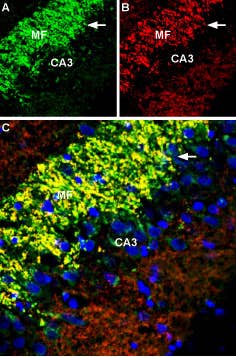
-
 A Rabbit Polyclonal antibody to TMC1 (extracellular)
- Product Code: ATC-010
- Short Description: A Rabbit Polyclonal antibody to TMC1 (extracellular)
- Host: Rabbit
- Label: Unconjugated
- Reactivity: Human, Rat, Mouse
- Applications: Indirect flow cytometry, Live cell imaging, Western blot
- Target: Transmembrane Channel Like 1, Transmembrane cochlear-expressed protein 1
-
 A Rabbit Polyclonal Antibody to TMEM108 (Extracellular)
- Product Code: ANR-228
- Short Description: A Rabbit Polyclonal Antibody to TMEM108 (Extracellular)
- Host: Rabbit
- Label: Unconjugated
- Reactivity: Human, Rat, Mouse
- Applications: Indirect flow cytometry, Live cell imaging, Western blot, Immunohistochemistry
- Target: TMEM108
-
 A Rabbit Polyclonal antibody to TMEM175
- Product Code: APC-175
- Short Description: A Rabbit Polyclonal antibody to TMEM175
- Host: Rabbit
- Label: Unconjugated
- Reactivity: Human, Rat, Mouse
- Applications: Western blot, Immunohistochemistry
- Target: Transmembrane Protein 175, Endosomal/Lysosomal Proton Channel TMEM175
-
 A Rabbit Polyclonal Antibody to TMEM66
- Product Code: ACC-067
- Short Description: A Rabbit Polyclonal Antibody to TMEM66
- Host: Rabbit
- Label: Unconjugated
- Reactivity: Human, Rat, Mouse
- Applications: Western blot, Immunofluorescence, Immunohistochemistry
- Target: Store-operated calcium entry-associated regulatory factor, SOCE-associated regulatory factor, SARAF, Transmembrane protein 66
-
 A Rabbit Polyclonal Antibody to TMEM66 Conjugated to the Fluorescent Dye ATTO-594
- Product Code: ACC-067-AR
- Short Description: A Rabbit Polyclonal Antibody to TMEM66 Conjugated to the Fluorescent Dye ATTO-594
- Host: Rabbit
- Label: ATTO 594
- Reactivity: Human, Rat, Mouse
- Applications: Immunofluorescence, Immunohistochemistry
- Target: Store-operated calcium entry-associated regulatory factor, SOCE-associated regulatory factor, SARAF, Transmembrane protein 66
-
 A Rabbit Polyclonal Antibody to TRIC-A Channel
- Product Code: ATC-002
- Short Description: A Rabbit Polyclonal Antibody to TRIC-A Channel
- Host: Rabbit
- Label: Unconjugated
- Reactivity: Rat, Mouse
- Applications: Western blot, Immunocytochemistry, Immunohistochemistry
- Target: Trimeric intracellular cation channel type A, 27 kDa sarcoplasmic reticulum protein, Transmembrane protein 38A
-
 A Rabbit Polyclonal Antibody to TRIC-B Channel
- Product Code: ATC-001
- Short Description: A Rabbit Polyclonal Antibody to TRIC-B Channel
- Host: Rabbit
- Label: Unconjugated
- Reactivity: Human, Rat, Mouse
- Applications: Western blot, Immunocytochemistry, Immunohistochemistry
- Target: Trimeric intracellular cation channel type B, Transmembrane protein 38B
-

 A Rabbit Polyclonal Antibody to TrkA
- Product Code: ANT-018
- Short Description: A Rabbit Polyclonal Antibody to TrkA
- Host: Rabbit
- Label: Unconjugated
- Reactivity: Human, Rat, Mouse
- Applications: Indirect flow cytometry, Live cell imaging, Western blot, Immunocytochemistry, Immunofluorescence, Immunohistochemistry
- Target: High affinity nerve growth factor receptor, Neurotrophic tyrosine kinase receptor type 1, NTRK1
-
 A Rabbit Polyclonal Antibody to TrkA Conjugated to the Fluorescent Dye ATTO-633
- Product Code: ANT-018-FR
- Short Description: A Rabbit Polyclonal Antibody to TrkA Conjugated to the Fluorescent Dye ATTO-633
- Host: Rabbit
- Label: ATTO 633
- Reactivity: Human, Rat, Mouse
- Applications: Immunofluorescence, Immunohistochemistry
- Target: High affinity nerve growth factor receptor, Neurotrophic tyrosine kinase receptor type 1, NTRK1
-
 A Rabbit Polyclonal Antibody to TrkA Conjugated to the Fluorescent Dye FITC
- Product Code: ANT-018-F
- Short Description: A Rabbit Polyclonal Antibody to TrkA Conjugated to the Fluorescent Dye FITC
- Host: Rabbit
- Label: FITC
- Reactivity: Human, Rat, Mouse
- Applications: Flow cytometry
- Target: High affinity nerve growth factor receptor, Neurotrophic tyrosine kinase receptor type 1, NTRK1
Loading...