-
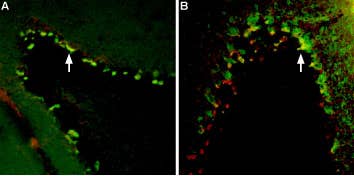
 A Rabbit Polyclonal Antibody to Aquaporin 4 Conjugated to the Fluorescent Dye ATTO-594
- Product Code: AQP-014-AR
- Short Description: A Rabbit Polyclonal Antibody to Aquaporin 4 Conjugated to the Fluorescent Dye ATTO-594
- Host: Rabbit
- Label: ATTO 594
- Reactivity: Rat, Mouse
- Applications: Immunofluorescence, Immunohistochemistry
- Target: WCH4, Mercurial-insensitive water channel
-
 A Rabbit Polyclonal Antibody to ASIC5 Channel
- Product Code: ASC-032
- Short Description: A Rabbit Polyclonal Antibody to ASIC5 Channel
- Host: Rabbit
- Label: Unconjugated
- Reactivity: Rat, Mouse
- Applications: Western blot, Immunofluorescence, Immunohistochemistry
- Target: Acid-sensing ion channel 5, Amiloride-sensitive cation channel 5, Brain-liver-intestine amiloride-sensitive Na+ channel, BLINaC, HINAC, ACCN5
-
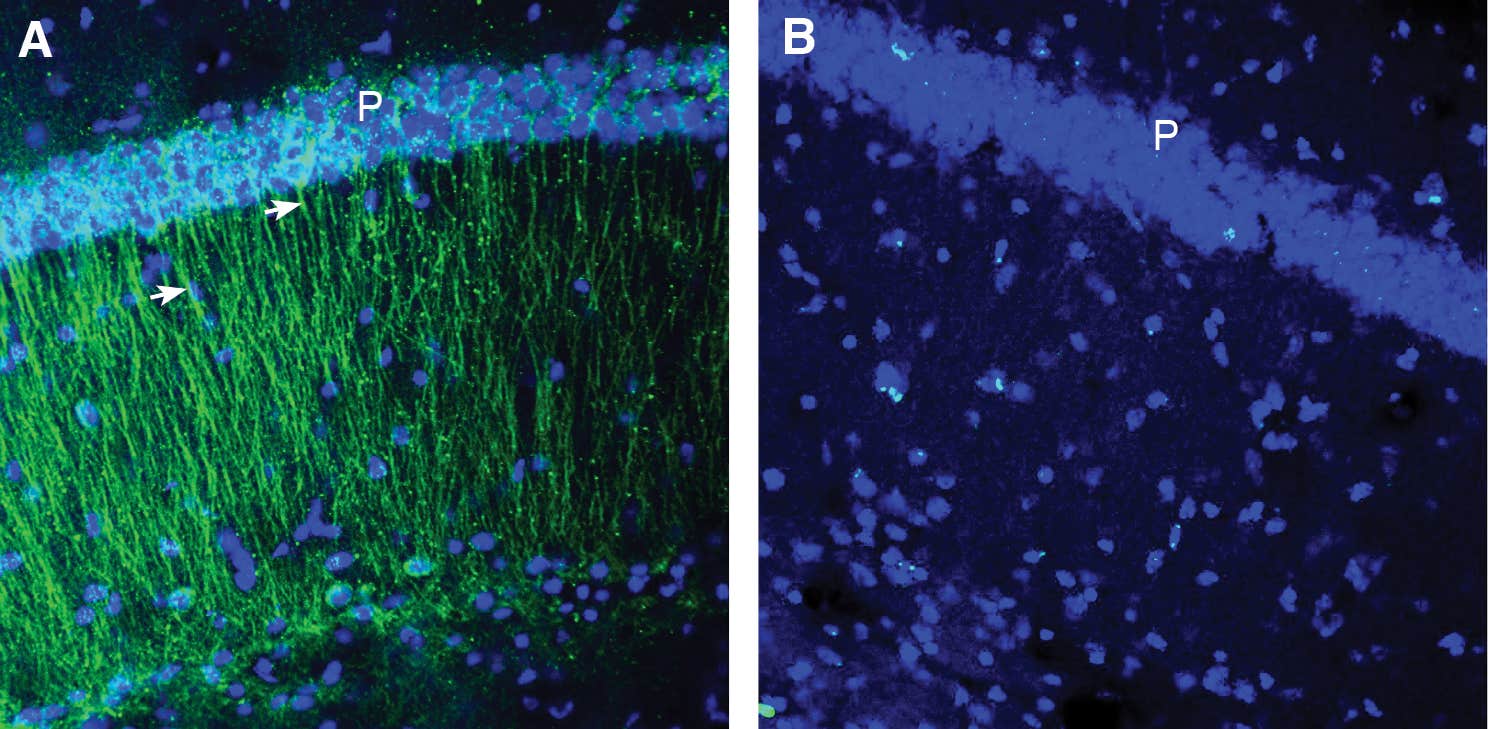 A Rabbit Polyclonal antibody to CCR2 (extracellular)
- Product Code: ACR-072
- Short Description: A Rabbit Polyclonal antibody to CCR2 (extracellular)
- Host: Rabbit
- Label: Unconjugated
- Reactivity: Rat, Mouse
- Applications: Indirect flow cytometry, Live cell imaging, Western blot, Immunohistochemistry
- Target: C-C chemokine receptor type 2, Monocyte chemoattractant protein 1 receptor, MCP-1 receptor, CC-CKR-2, CD192
-
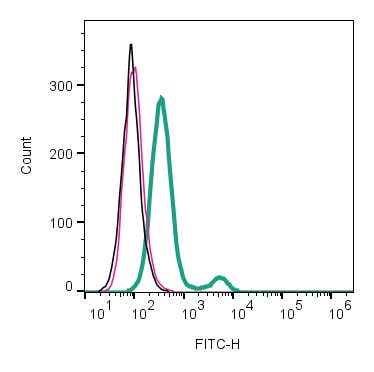 A Rabbit Polyclonal antibody to CCR2 (extracellular) conjugated to FITC fluorophore.
- Product Code: ACR-072-F
- Short Description: A Rabbit Polyclonal antibody to CCR2 (extracellular) conjugated to FITC fluorophore.
- Host: Rabbit
- Label: FITC
- Reactivity: Rat, Mouse
- Applications: Live cell imaging, Flow cytometry
- Target: C-C chemokine receptor type 2, Monocyte chemoattractant protein 1 receptor, MCP-1 receptor, CC-CKR-2, CD192
-
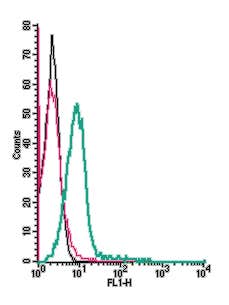 A Rabbit Polyclonal Antibody to CCR9 Chemokine Receptor
- Product Code: ACR-029
- Short Description: A Rabbit Polyclonal Antibody to CCR9 Chemokine Receptor
- Host: Rabbit
- Label: Unconjugated
- Reactivity: Human, Rat, Mouse
- Applications: Indirect flow cytometry, Live cell imaging, Western blot
- Target: C-C chemokine receptor type 9, CC-CKR-9, G-protein coupled receptor 28, GPR28, GPR-9-6, CDw199
-
 A Rabbit Polyclonal Antibody to GPR17 Receptor
- Product Code: AGR-048
- Short Description: A Rabbit Polyclonal Antibody to GPR17 Receptor
- Host: Rabbit
- Label: Unconjugated
- Reactivity: Rat, Mouse
- Applications: Western blot, Immunofluorescence, Immunohistochemistry
- Target: G-protein coupled receptor 17, Uracil nucleotide/cysteinyl leukotriene receptor, UDP/CysLT Receptor, P2Y-like receptor
-
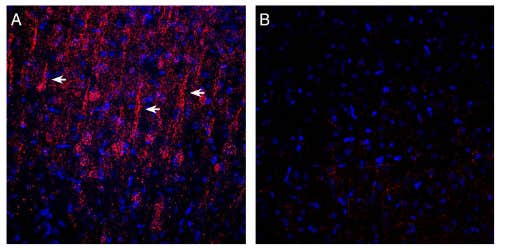 A Rabbit Polyclonal antibody to GPR183 (extracellular).
- Product Code: AGR-063
- Short Description: A Rabbit Polyclonal antibody to GPR183 (extracellular).
- Host: Rabbit
- Label: Unconjugated
- Reactivity: Human, Rat, Mouse
- Applications: Indirect flow cytometry, Western blot, Immunohistochemistry
- Target: G-Protein Coupled Receptor 183, Epstein-Barr Virus-Induced G-Protein Coupled Receptor 2, EBI2
-
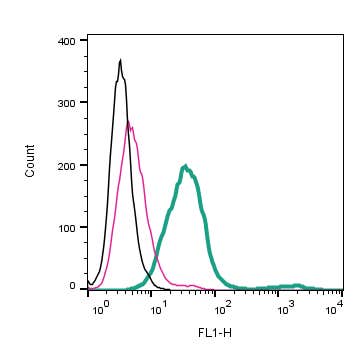 A Rabbit Polyclonal Antibody to GPR183 (extracellular) conjugated to the fluorescent dye FITC
- Product Code: AGR-063-F
- Short Description: A Rabbit Polyclonal Antibody to GPR183 (extracellular) conjugated to the fluorescent dye FITC
- Host: Rabbit
- Label: FITC
- Reactivity: Human, Rat, Mouse
- Applications: Live cell imaging, Flow cytometry
- Target: G-Protein Coupled Receptor 183, Epstein-Barr Virus-Induced G-Protein Coupled Receptor 2, EBI2
-
 A Rabbit Polyclonal Antibody to GPR65 (TDAG8)
- Product Code: AGR-043
- Short Description: A Rabbit Polyclonal Antibody to GPR65 (TDAG8)
- Host: Rabbit
- Label: Unconjugated
- Reactivity: Human, Rat, Mouse
- Applications: Indirect flow cytometry, Live cell imaging, Western blot, Immunofluorescence, Immunohistochemistry
- Target: G-protein coupled receptor 65, T-cell death-associated gene 8 protein, Psychosine receptor
-
 A Rabbit Polyclonal Antibody to GPR65 (TDAG8) Conjugated to the Fluorescent Dye FITC
- Product Code: AGR-043-F
- Short Description: A Rabbit Polyclonal Antibody to GPR65 (TDAG8) Conjugated to the Fluorescent Dye FITC
- Host: Rabbit
- Label: FITC
- Reactivity: Human, Rat, Mouse
- Applications: Live cell imaging, Flow cytometry
- Target: G-protein coupled receptor 65, T-cell death-associated gene 8 protein, Psychosine receptor
Loading...