-
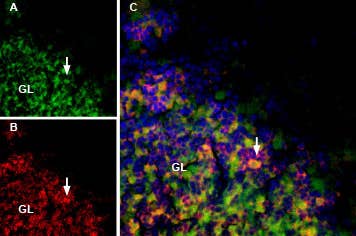
 A Rabbit Polyclonal Antibody to Metabotropic Glutamate Receptor 5
- Product Code: AGC-007
- Short Description: A Rabbit Polyclonal Antibody to Metabotropic Glutamate Receptor 5
- Host: Rabbit
- Label: Unconjugated
- Reactivity: Human, Rat, Mouse
- Applications: Indirect flow cytometry, Live cell imaging, Western blot, Immunocytochemistry, Immunofluorescence, Immunohistochemistry
- Target: Metabotropic glutamate receptor 5, GRM5, mGlu5, GPRC1E
-
 A Rabbit Polyclonal Antibody to Metabotropic Glutamate Receptor 5 Conjugated to the Fluorescent Dye ATTO-594
- Product Code: AGC-007-AR
- Short Description: A Rabbit Polyclonal Antibody to Metabotropic Glutamate Receptor 5 Conjugated to the Fluorescent Dye ATTO-594
- Host: Rabbit
- Label: ATTO 594
- Reactivity: Rat, Mouse
- Applications: Immunofluorescence, Immunohistochemistry
- Target: Metabotropic glutamate receptor 5, GRM5, mGlu5, GPRC1E
-
 A Rabbit Polyclonal Antibody to mGluR5 Conjugated to the Fluorescent Dye FITC
- Product Code: AGC-007-F
- Short Description: A Rabbit Polyclonal Antibody to mGluR5 Conjugated to the Fluorescent Dye FITC
- Host: Rabbit
- Label: FITC
- Reactivity: Human, Rat, Mouse
- Applications: Flow cytometry
- Target: Metabotropic glutamate receptor 5, GRM5, mGlu5, GPRC1E
-
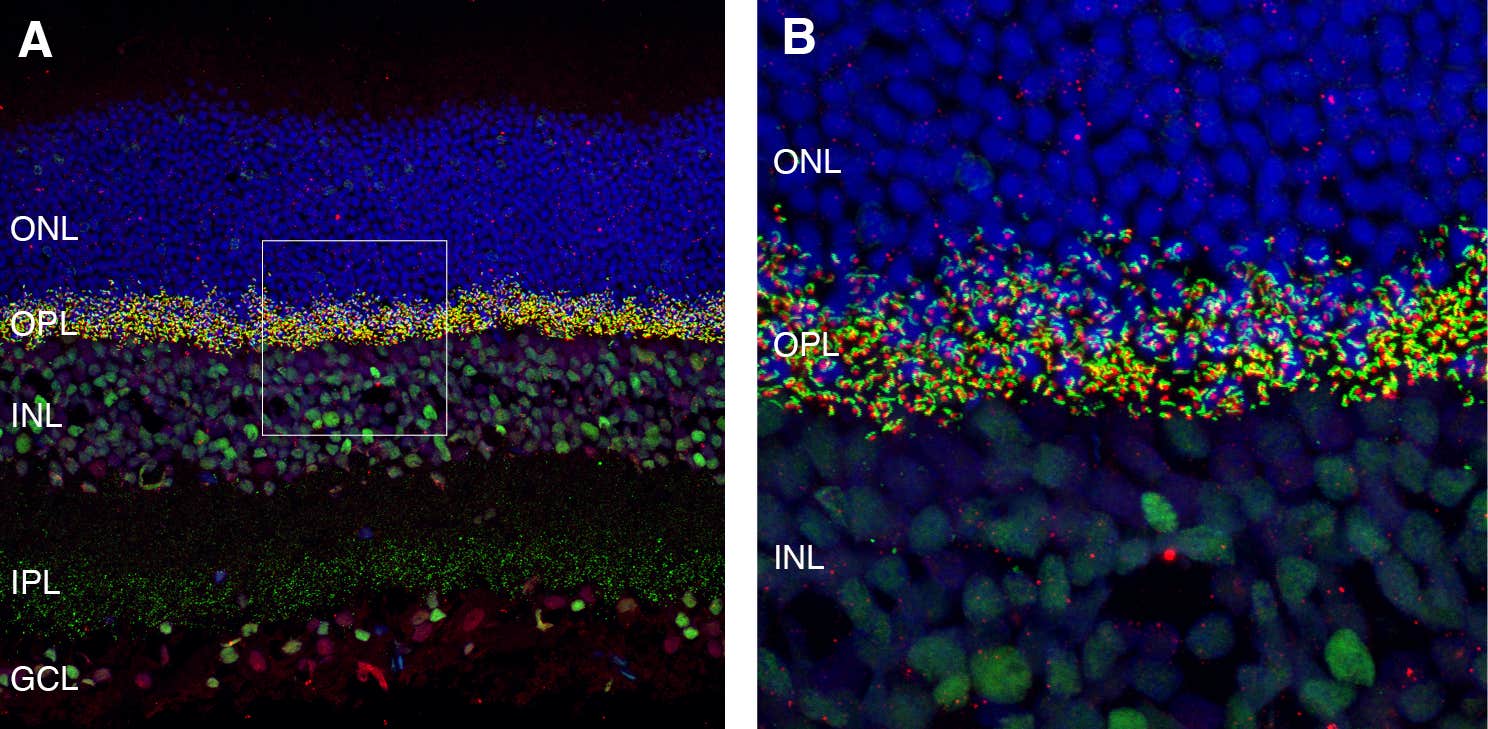 A Rabbit Polyclonal Antibody to Metabotropic Glutamate Receptor 6
- Product Code: AGC-026
- Short Description: A Rabbit Polyclonal Antibody to Metabotropic Glutamate Receptor 6
- Host: Rabbit
- Label: Unconjugated
- Reactivity: Human, Rat, Mouse
- Applications: Western blot
- Target: Metabotropic glutamate receptor 6, GRM6, mGlu6, Gprc1f
-
 A Rabbit Polyclonal Antibody to Metabotropic Glutamate Receptor 7
- Product Code: AGC-017
- Short Description: A Rabbit Polyclonal Antibody to Metabotropic Glutamate Receptor 7
- Host: Rabbit
- Label: Unconjugated
- Reactivity: Human, Rat, Mouse
- Applications: Indirect flow cytometry, Live cell imaging, Western blot, Immunocytochemistry, Immunofluorescence, Immunohistochemistry
- Target: Metabotropic glutamate receptor 7, GRM7, mGlu7, Gprc1g
-
 A Rabbit Polyclonal Antibody to Metabotropic Glutamate Receptor 8
- Product Code: AGC-028
- Short Description: A Rabbit Polyclonal Antibody to Metabotropic Glutamate Receptor 8
- Host: Rabbit
- Label: Unconjugated
- Reactivity: Human, Rat, Mouse
- Applications: Western blot, Immunofluorescence, Immunohistochemistry
- Target: Metabotropic glutamate receptor 8, GRM8, mGlu8, GPRC1H
-
 A Rabbit Polyclonal Antibody to KV1.7 (KCNA7) Channel
- Product Code: APC-063
- Short Description: A Rabbit Polyclonal Antibody to KV1.7 (KCNA7) Channel
- Host: Rabbit
- Label: Unconjugated
- Reactivity: Rat
- Applications: Western blot
- Target: Potassium voltage-gated channel subfamily A member 7
-

 A Rabbit Polyclonal Antibody to NaV1.6 (SCN8A) Channel
- Product Code: ASC-009
- Short Description: A Rabbit Polyclonal Antibody to NaV1.6 (SCN8A) Channel
- Host: Rabbit
- Label: Unconjugated
- Reactivity: Human, Rat, Mouse
- Applications: Western blot, Immunocytochemistry, Immunofluorescence, Immunohistochemistry
- Target: Sodium channel voltage-gated type VIII alpha subunit, NaCh6, PN4, CerIII
-
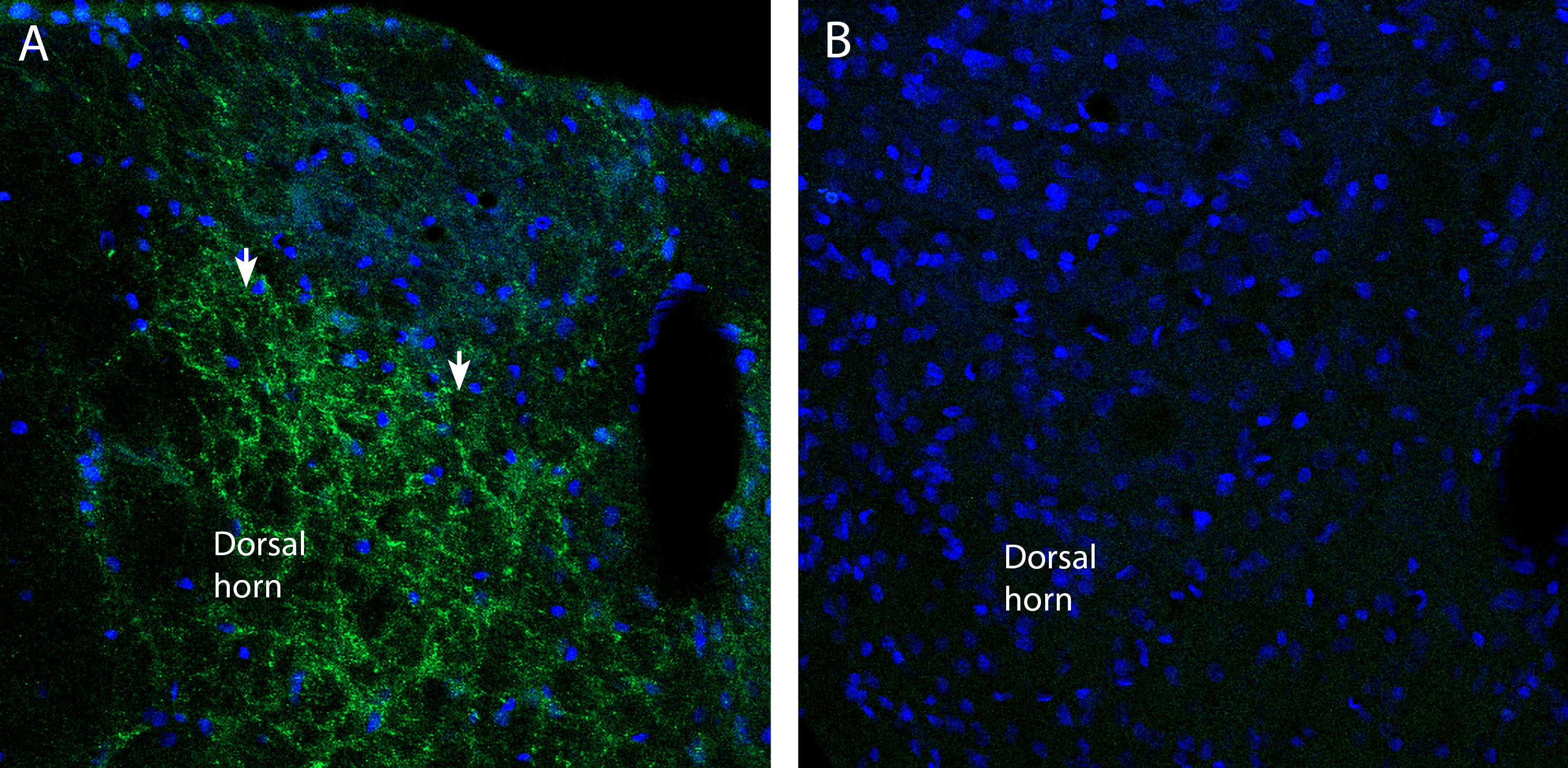 A Rabbit Polyclonal Antibody to NaV1.7 (SCN9A) Channel
- Product Code: ASC-027
- Short Description: A Rabbit Polyclonal Antibody to NaV1.7 (SCN9A) Channel
- Host: Rabbit
- Label: Unconjugated
- Reactivity: Rat
- Applications: Live cell imaging, Western blot, Immunocytochemistry, Immunofluorescence, Immunohistochemistry
- Target: Voltage-gated sodium channel type IX subunit alpha, PN1, NENA, NE, ETHA
-
 A Rabbit Polyclonal Antibody to NaV1.7 (SCN9A) Channel
- Product Code: ASC-008
- Short Description: A Rabbit Polyclonal Antibody to NaV1.7 (SCN9A) Channel
- Host: Rabbit
- Label: Unconjugated
- Reactivity: Human, Rat, Mouse
- Applications: Western blot, Immunocytochemistry, Immunofluorescence, Immunohistochemistry
- Target: Voltage-gated sodium channel type IX subunit alpha, PN1, NENA, NE, ETHA
Loading...