-
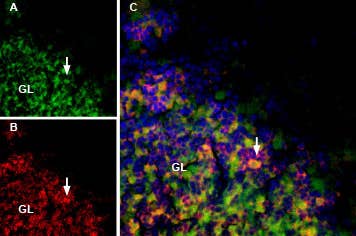
 A Rabbit Polyclonal Antibody to ADAM22
- Product Code: ANR-120
- Short Description: A Rabbit Polyclonal Antibody to ADAM22
- Host: Rabbit
- Label: Unconjugated
- Reactivity: Human, Rat, Mouse
- Applications: Western blot, Immunofluorescence, Immunohistochemistry
- Target: Disintegrin and metalloproteinase domain-containing protein 22, ADAM metallopeptidase domain 22, MDC2
-
 A Rabbit Polyclonal Antibody to Adenosine A2A Receptor
- Product Code: AAR-008
- Short Description: A Rabbit Polyclonal Antibody to Adenosine A2A Receptor
- Host: Rabbit
- Label: Unconjugated
- Reactivity: Rat, Mouse
- Applications: Indirect flow cytometry, Live cell imaging, Western blot, Immunohistochemistry
- Target: ADORA2A, A2AAR, Adenosine A2aR
-
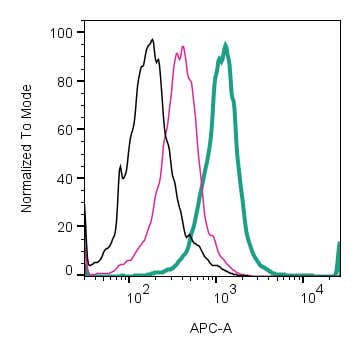 A Rabbit Polyclonal Antibody to Adenosine A2A Receptor Conjugated to the Allophycocyanin (APC) fluorophore
- Product Code: AAR-008-APC
- Short Description: A Rabbit Polyclonal Antibody to Adenosine A2A Receptor Conjugated to the Allophycocyanin (APC) fluorophore
- Host: Rabbit
- Reactivity: Rat, Mouse
- Applications: Flow cytometry
- Target: ADORA2A, A2AAR, Adenosine A2aR
-
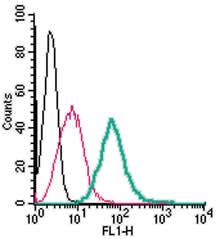 A Rabbit Polyclonal Antibody to Adenosine A2A Receptor Conjugated to the Fluorescent Dye FITC
- Product Code: AAR-008-F
- Short Description: A Rabbit Polyclonal Antibody to Adenosine A2A Receptor Conjugated to the Fluorescent Dye FITC
- Host: Rabbit
- Label: FITC
- Reactivity: Rat, Mouse
- Applications: Live cell imaging, Flow cytometry
- Target: ADORA2A, A2AAR, Adenosine A2aR
-
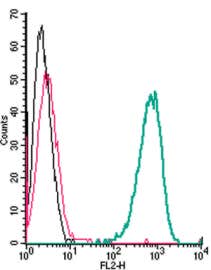 A Rabbit Polyclonal Antibody to Adenosine A2A Receptor (extracellular) conjugated to the fluorescent dye R-Phycoerythrin (R-PE)
- Product Code: AAR-008-PE
- Short Description: A Rabbit Polyclonal Antibody to Adenosine A2A Receptor (extracellular) conjugated to the fluorescent dye R-Phycoerythrin (R-PE)
- Host: Rabbit
- Label: R-PE
- Reactivity: Rat, Mouse
- Applications: Flow cytometry
- Target: ADORA2A, A2AAR, Adenosine A2aR
-

 A Rabbit Polyclonal Antibody to Adenosine A2A Receptor
- Product Code: AAR-002
- Short Description: A Rabbit Polyclonal Antibody to Adenosine A2A Receptor
- Host: Rabbit
- Label: Unconjugated
- Reactivity: Human, Rat, Mouse
- Applications: Western blot, Immunocytochemistry, Immunofluorescence, Immunohistochemistry
- Target: ADORA2A, A2AAR, Adenosine A2aR
-
 A Rabbit Polyclonal Antibody to Alpha 2 Na+/K+ ATPase
- Product Code: ANP-002
- Short Description: A Rabbit Polyclonal Antibody to Alpha 2 Na+/K+ ATPase
- Host: Rabbit
- Label: Unconjugated
- Reactivity: Human, Rat, Mouse
- Applications: Western blot, Immunofluorescence, Immunohistochemistry
- Target: ATP1A2, Sodium/potassium ATPase catalytic subunit alpha-2, Sodium pump subunit alpha-2
-
 A Rabbit Polyclonal Antibody to Alpha 3 Na+/K+ ATPase
- Product Code: ANP-003
- Short Description: A Rabbit Polyclonal Antibody to Alpha 3 Na+/K+ ATPase
- Host: Rabbit
- Label: Unconjugated
- Reactivity: Human, Rat, Mouse
- Applications: Western blot, Immunofluorescence, Immunohistochemistry
- Target: ATP1A3, Sodium/potassium ATPase catalytic subunit alpha-3, Sodium pump subunit alpha-3, Na+/K+-transporting ATPase subunit alpha-3
-
 A Rabbit Polyclonal Antibody to ASIC1 Channel
- Product Code: ASC-014
- Short Description: A Rabbit Polyclonal Antibody to ASIC1 Channel
- Host: Rabbit
- Label: Unconjugated
- Reactivity: Human, Rat, Mouse
- Applications: Western blot, Immunocytochemistry, Immunofluorescence, Immunoprecipitation, Immunohistochemistry
- Target: Acid-sensing ion channel 1, Amiloride-sensitive brain sodium channel, BNaC2, ACCN2
-
 A Rabbit Polyclonal Antibody to ASIC2a Channel
- Product Code: ASC-012
- Short Description: A Rabbit Polyclonal Antibody to ASIC2a Channel
- Host: Rabbit
- Label: Unconjugated
- Reactivity: Human, Rat, Mouse
- Applications: Western blot, Immunocytochemistry, Immunofluorescence, Immunoprecipitation, Immunohistochemistry
- Target: ACCN1, Acid-sensing ion channel 2, Brain sodium channel 1, BNaC1, BNC1, Amiloride-sensitive cation channel neuronal 1, Mammalian degenerin homolog, MDEG
Loading...