-
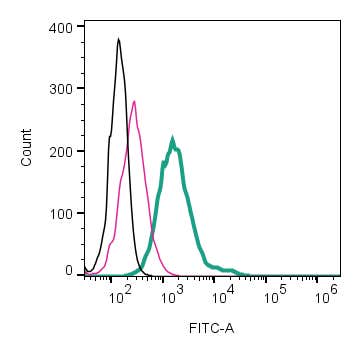 A Rabbit polyclonal antibody to Somatostatin Receptor Type 2 (extracellular) conjugated to fluorescein isothiocyanate (FITC) fluorophore.
- Product Code: ASR-006-F
- Short Description: A Rabbit polyclonal antibody to Somatostatin Receptor Type 2 (extracellular) conjugated to fluorescein isothiocyanate (FITC) fluorophore.
- Host: Rabbit
- Label: FITC
- Reactivity: Human, Rat, Mouse
- Applications: Live cell imaging, Flow cytometry
- Target: SSTR2, SS2R, Smstr2, SRIF1A
-
 A Rabbit Polyclonal Antibody to Somatostatin Receptor Type 2
- Product Code: ASR-002
- Short Description: A Rabbit Polyclonal Antibody to Somatostatin Receptor Type 2
- Host: Rabbit
- Label: Unconjugated
- Reactivity: Human, Rat, Mouse
- Applications: Western blot, Immunohistochemistry
- Target: SSTR2a, SS2R, Smstr2, SRIF1A
-
 A Rabbit Polyclonal Antibody to Somatostatin Receptor Type 3
- Product Code: ASR-003
- Short Description: A Rabbit Polyclonal Antibody to Somatostatin Receptor Type 3
- Host: Rabbit
- Label: Unconjugated
- Reactivity: Rat, Mouse
- Applications: Western blot, Immunofluorescence, Immunohistochemistry
- Target: SSTR3, SS3R, Smstr3
-
 A Rabbit Polyclonal Antibody to Somatostatin Receptor Type 4
- Product Code: ASR-004
- Short Description: A Rabbit Polyclonal Antibody to Somatostatin Receptor Type 4
- Host: Rabbit
- Label: Unconjugated
- Reactivity: Human, Rat, Mouse
- Applications: Indirect flow cytometry, Live cell imaging, Western blot, Immunofluorescence, Immunohistochemistry
- Target: SSTR4, SS4R, Smstr4
-
 A Polyclonal Antibody to Somatostatin Receptor Type 5
- Product Code: ASR-005
- Short Description: A Polyclonal Antibody to Somatostatin Receptor Type 5
- Host: Rabbit
- Label: Unconjugated
- Reactivity: Human, Rat, Mouse
- Applications: Live cell imaging, Western blot, Immunocytochemistry, Immunofluorescence, Immunohistochemistry
- Target: SSTR5, SS5R, Smstr5, SST5
-
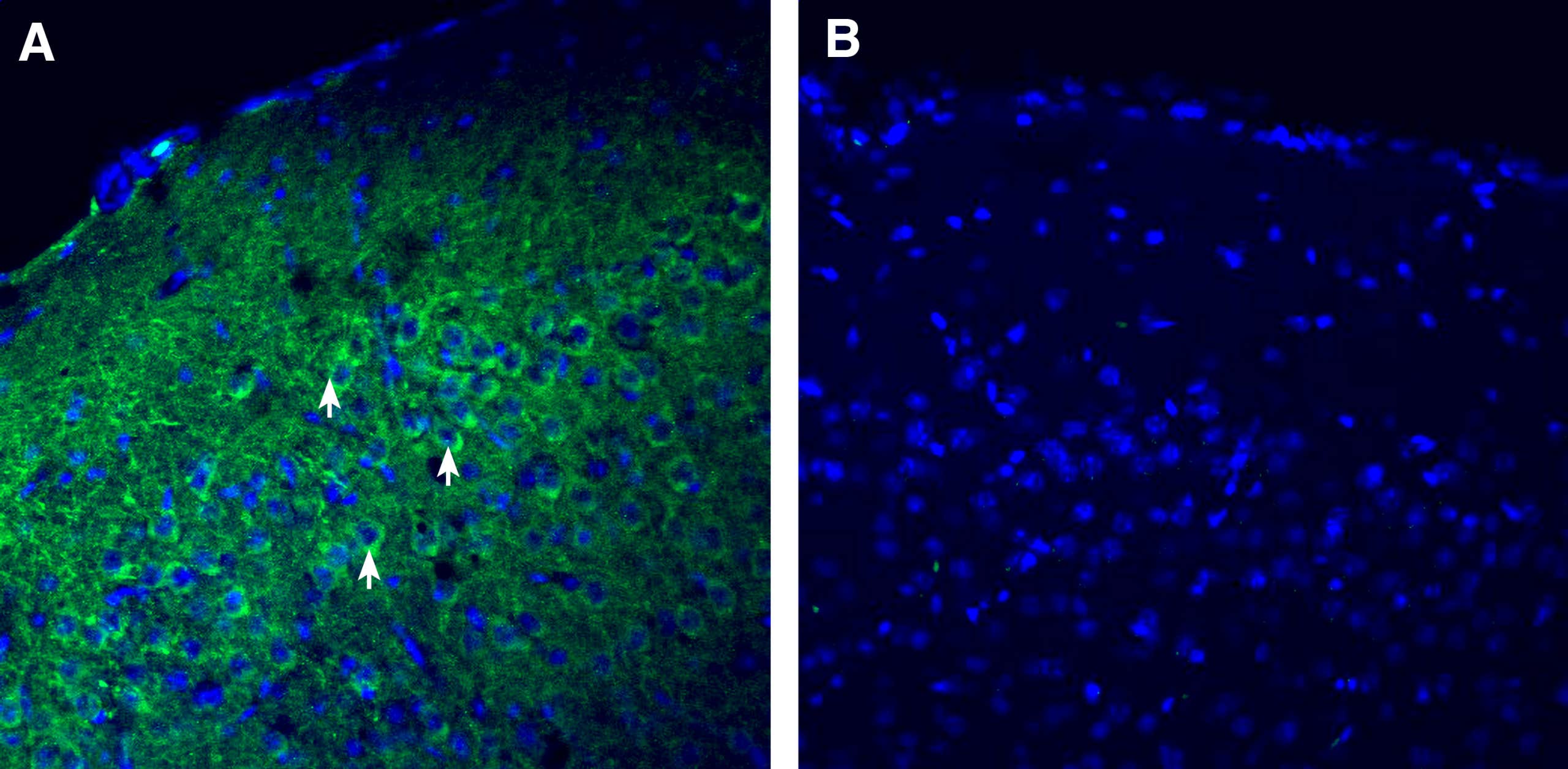 A Rabbit Polyclonal Antibody to SPARC
- Product Code: ANR-225
- Short Description: A Rabbit Polyclonal Antibody to SPARC
- Host: Rabbit
- Label: Unconjugated
- Reactivity: Human, Rat, Mouse
- Applications: Western blot, Immunohistochemistry
- Target: SPARC
-

 A Rabbit Polyclonal Antibody to STIM1
- Product Code: ACC-063
- Short Description: A Rabbit Polyclonal Antibody to STIM1
- Host: Rabbit
- Label: Unconjugated
- Reactivity: Human, Rat, Mouse
- Applications: Indirect flow cytometry, Live cell imaging, Western blot, Immunocytochemistry, Immunofluorescence, Immunoprecipitation, Immunohistochemistry
- Target: Stromal interaction molecule 1, GOK
-
 A Rabbit Polyclonal Antibody to STIM1 Conjugated to the Fluorescent Dye ATTO-550
- Product Code: ACC-063-AO
- Short Description: A Rabbit Polyclonal Antibody to STIM1 Conjugated to the Fluorescent Dye ATTO-550
- Host: Rabbit
- Label: ATTO 550
- Reactivity: Human, Rat, Mouse
- Applications: Live cell imaging, Immunocytochemistry, Immunofluorescence, Flow cytometry, Immunohistochemistry
- Target: Stromal interaction molecule 1, GOK
-
 A Rabbit Polyclonal Antibody to STIM2
- Product Code: ACC-064
- Short Description: A Rabbit Polyclonal Antibody to STIM2
- Host: Rabbit
- Label: Unconjugated
- Reactivity: Human, Rat, Mouse
- Applications: Western blot, Immunocytochemistry, Immunofluorescence, Immunohistochemistry
- Target: Stromal interaction molecule 2
-
 A Rabbit Polyclonal Antibody to SVCT2 Transporter
- Product Code: AST-022
- Short Description: A Rabbit Polyclonal Antibody to SVCT2 Transporter
- Host: Rabbit
- Label: Unconjugated
- Reactivity: Human, Rat, Mouse
- Applications: Indirect flow cytometry, Western blot, Immunofluorescence, Immunohistochemistry
- Target: Sodium-dependent vitamin C transporter 2, Na+/L-Ascorbic acid transporter 2, Solute carrier family 23 member 2
Loading...