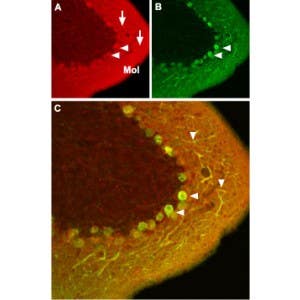
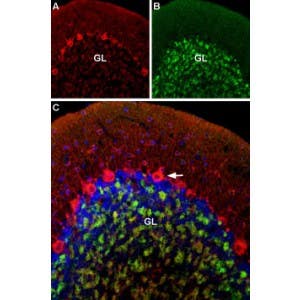
-
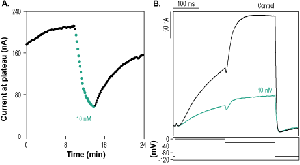
 A potent and selective blocker of hERG (KV11.1) potassium channels
- Product Code: STB-470
- Short Description: A potent and selective blocker of hERG (KV11.1) potassium channels
- Applications: Electrophysiology
- CAS No.: 524962-01-4
- MW: 4092 Da
-
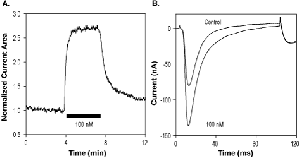 A blocker of KV potassium channels and a modulator that slows the inactivation of NaV sodium channels (particularly NaV1.7)
- Product Code: STB-400
- Short Description: A blocker of KV potassium channels and a modulator that slows the inactivation of NaV sodium channels (particularly NaV1.7)
- Applications: Electrophysiology
- CAS No.: 207621-38-3
- MW: 4708 Da
-
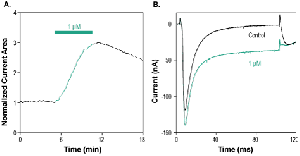 A potent activator/modulator that delays the fast inactivation of NaV1.5, NaV1.6, and NaV1.3 voltage-gated sodium channels
- Product Code: STB-100
- Applications: Electrophysiology
- MW: 7217 Da
-
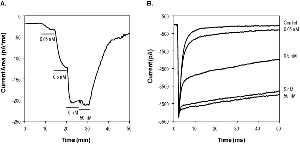 A potent activator of voltage-gated sodium NaV channels that primarily targets cardiac NaV1.5 channels by delaying their fast inactivation
- Product Code: STA-700
- Short Description: A potent activator of voltage-gated sodium NaV channels that primarily targets cardiac NaV1.5 channels by delaying their fast inactivation
- Applications: Electrophysiology
- CAS No.: 60748-45-0
- MW: 4935 Da
-
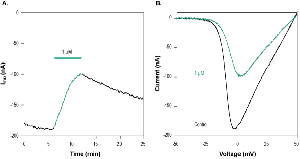 A potent and selective blocker of P/Q-type (CaV2.1) calcium channels
- Product Code: STA-530
- Short Description: A potent and selective blocker of P/Q-type (CaV2.1) calcium channels
- Applications: Electrophysiology
- CAS No.: 158484-42-5
- MW: 5273 Da
-
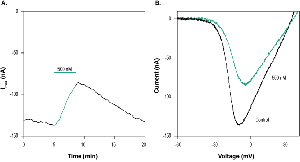 A potent and selective blocker of P/Q-type (CaV2.1) calcium channels
- Product Code: STA-500
- Short Description: A potent and selective blocker of P/Q-type (CaV2.1) calcium channels
- Applications: Electrophysiology
- CAS No.: 145017-83-0
- MW: 5202 Da
-
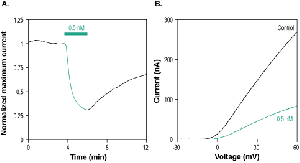 A potent blocker of KV1.3, KV1.1, and KV1.6 voltage-gated potassium channels
- Product Code: STA-390
- Applications: Electrophysiology
- CAS No.: 155646-23-4
- MW: 4101 Da
-
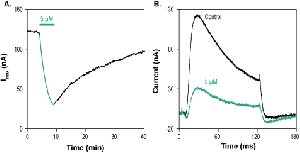 A specific blocker of KV channels (subtypes KV4.2 and KV4.3) that selectively targets native neuronal A-type K+ currents
- Product Code: STA-305
- Short Description: A specific blocker of KV channels (subtypes KV4.2 and KV4.3) that selectively targets native neuronal A-type K+ currents
- Applications: Electrophysiology
- MW: 3822 Da
-
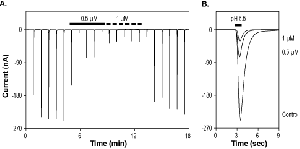 A potent blocker of ASIC3 and moderate blocker of NaV1.8 channels
- Product Code: STA-160
- Short Description: A potent blocker of ASIC3 and moderate blocker of NaV1.8 channels
- Applications: Electrophysiology
- CAS No.: 713544-47-9
- MW: 4561 Da
-
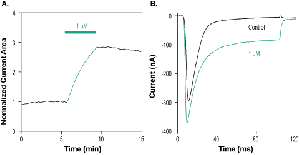 A potent modulator of NaV channels that delays/slows fast inactivation
- Product Code: STA-155
- Short Description: A potent modulator of NaV channels that delays/slows fast inactivation
- Applications: Electrophysiology
- MW: 6804 Da
Loading...