-
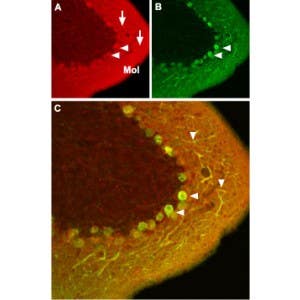
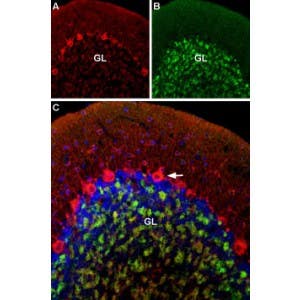
 A Rabbit Polyclonal Antibody to P2X6 Receptor
- Product Code: APR-013
- Short Description: A Rabbit Polyclonal Antibody to P2X6 Receptor
- Host: Rabbit
- Reactivity: Human, Rat, Mouse
- Applications: Indirect flow cytometry, Western blot, Immunocytochemistry, Immunofluorescence, Immunohistochemistry
-
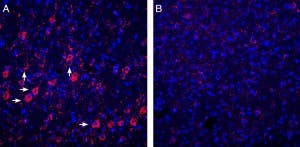
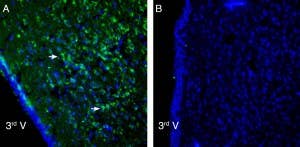
 A Rabbit Polyclonal Antibody to P2Y6 Receptor
- Product Code: APR-011
- Short Description: A Rabbit Polyclonal Antibody to P2Y6 Receptor
- Host: Rabbit
- Reactivity: Human, Rat, Mouse
- Applications: Indirect flow cytometry, Western blot, Immunocytochemistry, Immunofluorescence, Immunoprecipitation, Immunohistochemistry
-
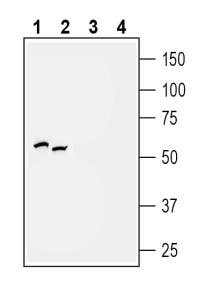 A Rabbit Polyclonal Antibody to P2Y2 Receptor
- Product Code: APR-010
- Short Description: A Rabbit Polyclonal Antibody to P2Y2 Receptor
- Host: Rabbit
- Reactivity: Human, Rat, Mouse
- Applications: Indirect flow cytometry, Western blot, Immunocytochemistry, Immunofluorescence, Immunoprecipitation, Immunohistochemistry
-
 A Rabbit Polyclonal Antibody to P2Y1 Receptor
- Product Code: APR-009
- Short Description: A Rabbit Polyclonal Antibody to P2Y1 Receptor
- Host: Rabbit
- Reactivity: Human, Rat, Mouse
- Applications: Indirect flow cytometry, Western blot, Immunocytochemistry, Immunofluorescence, Immunoprecipitation, Immunohistochemistry
-
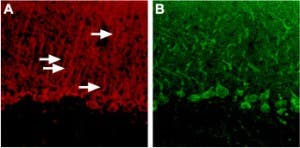 A Rabbit Polyclonal Antibody to P2Y4 Receptor
- Product Code: APR-006
- Short Description: A Rabbit Polyclonal Antibody to P2Y4 Receptor
- Host: Rabbit
- Reactivity: Human, Rat, Mouse
- Applications: Indirect flow cytometry, Western blot, Immunocytochemistry, Immunofluorescence, Immunoprecipitation, Immunohistochemistry
-
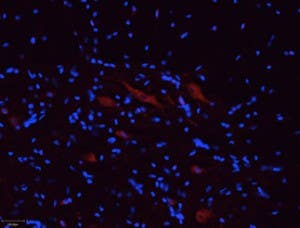 A Rabbit Polyclonal Antibody to P2X5 Receptor
- Product Code: APR-005
- Short Description: A Rabbit Polyclonal Antibody to P2X5 Receptor
- Host: Rabbit
- Reactivity: Mouse
- Applications: Indirect flow cytometry, Western blot, Immunofluorescence, Immunohistochemistry
-
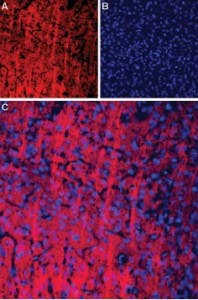 A Rabbit Polyclonal Antibody to P2X2 Receptor Conjugated to the Fluorescent Dye ATTO-594
- Product Code: APR-003-AR
- Short Description: A Rabbit Polyclonal Antibody to P2X2 Receptor Conjugated to the Fluorescent Dye ATTO-594
- Host: Rabbit
- Reactivity: Human, Rat, Mouse
- Applications: Immunofluorescence, Immunohistochemistry
-
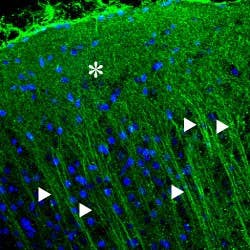 A Rabbit Polyclonal Antibody to P2X2 Receptor
- Product Code: APR-003
- Short Description: A Rabbit Polyclonal Antibody to P2X2 Receptor
- Host: Rabbit
- Reactivity: Human, Rat, Mouse
- Applications: Indirect flow cytometry, Western blot, Immunocytochemistry, Immunofluorescence, Immunoprecipitation, Immunohistochemistry
-
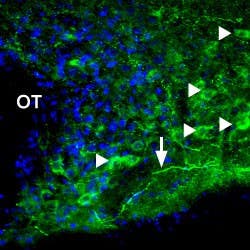 A Rabbit Polyclonal Antibody to P2X1 Receptor
- Product Code: APR-001
- Short Description: A Rabbit Polyclonal Antibody to P2X1 Receptor
- Host: Rabbit
- Reactivity: Human, Rat, Mouse
- Applications: Indirect flow cytometry, Western blot, Immunocytochemistry, Immunofluorescence, Immunoprecipitation, Immunohistochemistry
-
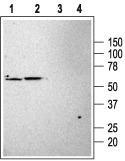 A Rabbit Polyclonal Antibody to KCNK3 Channel
- Product Code: APC-024
- Short Description: A Rabbit Polyclonal Antibody to KCNK3 Channel
- Host: Rabbit
- Reactivity: Human, Mouse
- Applications: Western blot, Immunocytochemistry, Immunofluorescence, Immunoprecipitation, Immunohistochemistry
Loading...