-
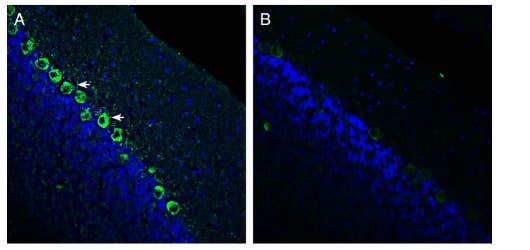 A Rabbit Polyclonal Antibody to Renin Receptor
- Product Code: AAR-014
- Short Description: A Rabbit Polyclonal Antibody to Renin Receptor
- Host: Rabbit
- Label: Unconjugated
- Reactivity: Human, Rat, Mouse
- Applications: Indirect flow cytometry, Western blot, Immunohistochemistry
- Target: Prorenin Receptor, Renin/prorenin receptor, PRR, (pro)renin receptor, ATPase H+ Transporting Accessory Protein 2, ATP6IP2
-
 A Rabbit Polyclonal Antibody to Ret Receptor
- Product Code: ANT-025
- Short Description: A Rabbit Polyclonal Antibody to Ret Receptor
- Host: Rabbit
- Label: Unconjugated
- Reactivity: Human, Rat, Mouse
- Applications: Indirect flow cytometry, Live cell imaging, Western blot, Immunocytochemistry, Immunofluorescence, Immunohistochemistry
- Target: Proto-oncogene tyrosine-protein kinase receptor Ret, Proto-oncogene c-Ret, Cadherin family member 12, CDHF12
-
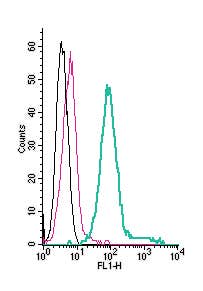 A Rabbit Polyclonal Antibody to Ret receptor (extracellular) conjugated to the fluorescent dye FITC
- Product Code: ANT-025-F
- Short Description: A Rabbit Polyclonal Antibody to Ret receptor (extracellular) conjugated to the fluorescent dye FITC
- Host: Rabbit
- Label: FITC
- Reactivity: Human, Rat, Mouse
- Applications: Live cell imaging, Flow cytometry
- Target: Proto-oncogene tyrosine-protein kinase receptor Ret, Proto-oncogene c-Ret, Cadherin family member 12, CDHF12, PTC, RET51
-
 A Rabbit polyclonal antibody to RGMA (extracellular).
- Product Code: ANR-126
- Short Description: A Rabbit polyclonal antibody to RGMA (extracellular).
- Host: Rabbit
- Label: Unconjugated
- Reactivity: Human, Rat, Mouse
- Applications: Indirect flow cytometry, Live cell imaging, Western blot, Immunohistochemistry
- Target: Repulsive Guidance Molecule A, RGM Domain Family Member A, Repulsive Guidance Molecule BMP Co-Receptor A, RGMa
-
 A Rabbit Polyclonal Antibody to Robo1
- Product Code: ANR-181
- Short Description: A Rabbit Polyclonal Antibody to Robo1
- Host: Rabbit
- Label: Unconjugated
- Reactivity: Human, Rat, Mouse
- Applications: Indirect flow cytometry, Live cell imaging, Western blot, Immunofluorescence, Immunohistochemistry
- Target: Roundabout Guidance Receptor 1, Roundabout Homolog 1, Deleted In U Twenty Twenty, DUTT1
-
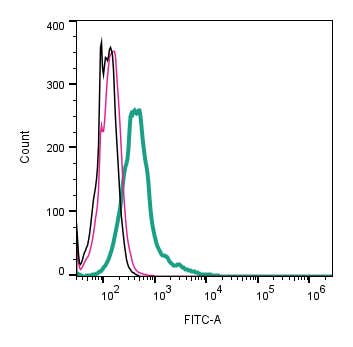 A Rabbit Polyclonal Antibody to Robo1 (extracellular) conjugated to the fluorescent dye FITC
- Product Code: ANR-181-F
- Short Description: A Rabbit Polyclonal Antibody to Robo1 (extracellular) conjugated to the fluorescent dye FITC
- Host: Rabbit
- Label: FITC
- Reactivity: Human, Rat, Mouse
- Applications: Live cell imaging, Flow cytometry
- Target: Roundabout Guidance Receptor 1, Roundabout Homolog 1, Deleted In U Twenty Twenty, DUTT1
-
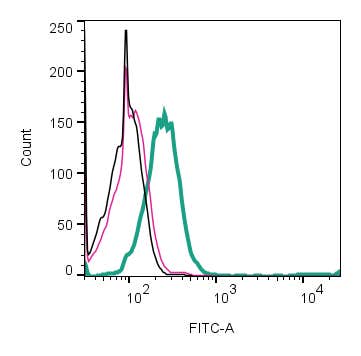 A Rabbit Polyclonal Antibody to Robo2
- Product Code: ANR-182
- Short Description: A Rabbit Polyclonal Antibody to Robo2
- Host: Rabbit
- Label: Unconjugated
- Reactivity: Human, Rat, Mouse
- Applications: Indirect flow cytometry, Western blot
- Target: Roundabout homolog 2, Roundabout Guidance Receptor 2
-
 A Rabbit Polyclonal antibody to Robo3 (extracellular)
- Product Code: ANR-183
- Short Description: A Rabbit Polyclonal antibody to Robo3 (extracellular)
- Host: Rabbit
- Label: Unconjugated
- Reactivity: Human, Rat, Mouse
- Applications: Indirect flow cytometry, Live cell imaging, Western blot, Immunohistochemistry
- Target: Roundabout Homolog 3, Roundabout Guidance Receptor 3, Retinoblastoma-inhibiting gene 1 protein, RIG1
-
 A Rabbit Polyclonal Antibody to Relaxin Receptor 2
- Product Code: ARR-012
- Short Description: A Rabbit Polyclonal Antibody to Relaxin Receptor 2
- Host: Rabbit
- Label: Unconjugated
- Reactivity: Rat, Mouse
- Applications: Western blot
- Target: Relaxin receptor 2, G-protein coupled receptor affecting testicular descent, Leucine-rich repeat-containing G-protein coupled receptor 8, GPR106, GREAT, LGR8, INSL3R
-
 A Rabbit Polyclonal Antibody to Sphingosine 1-Phosphate Receptor 1
- Product Code: ASR-011
- Short Description: A Rabbit Polyclonal Antibody to Sphingosine 1-Phosphate Receptor 1
- Host: Rabbit
- Label: Unconjugated
- Reactivity: Human, Rat, Mouse
- Applications: Indirect flow cytometry, Live cell imaging, Western blot, Immunocytochemistry, Immunofluorescence, Immunohistochemistry
- Target: Sphingosine 1-phosphate receptor 1, S1P1, Endothelial differentiation G-protein coupled receptor 1, CD363, CHEDG1
Loading...