
-
 A Rabbit Polyclonal Antibody to LPA Receptor 4 (P2Y9)
- Product Code: ALR-034
- Short Description: A Rabbit Polyclonal Antibody to LPA Receptor 4 (P2Y9)
- Host: Rabbit
- Label: Unconjugated
- Reactivity: Rat, Mouse
- Applications: Western blot, Immunofluorescence, Immunohistochemistry
- Target: Lysophosphatidic acid receptor 4, LPA receptor 4, LPA-4, P2Y purinoceptor 9, Purinergic receptor 9, P2RY9, GPR23
-
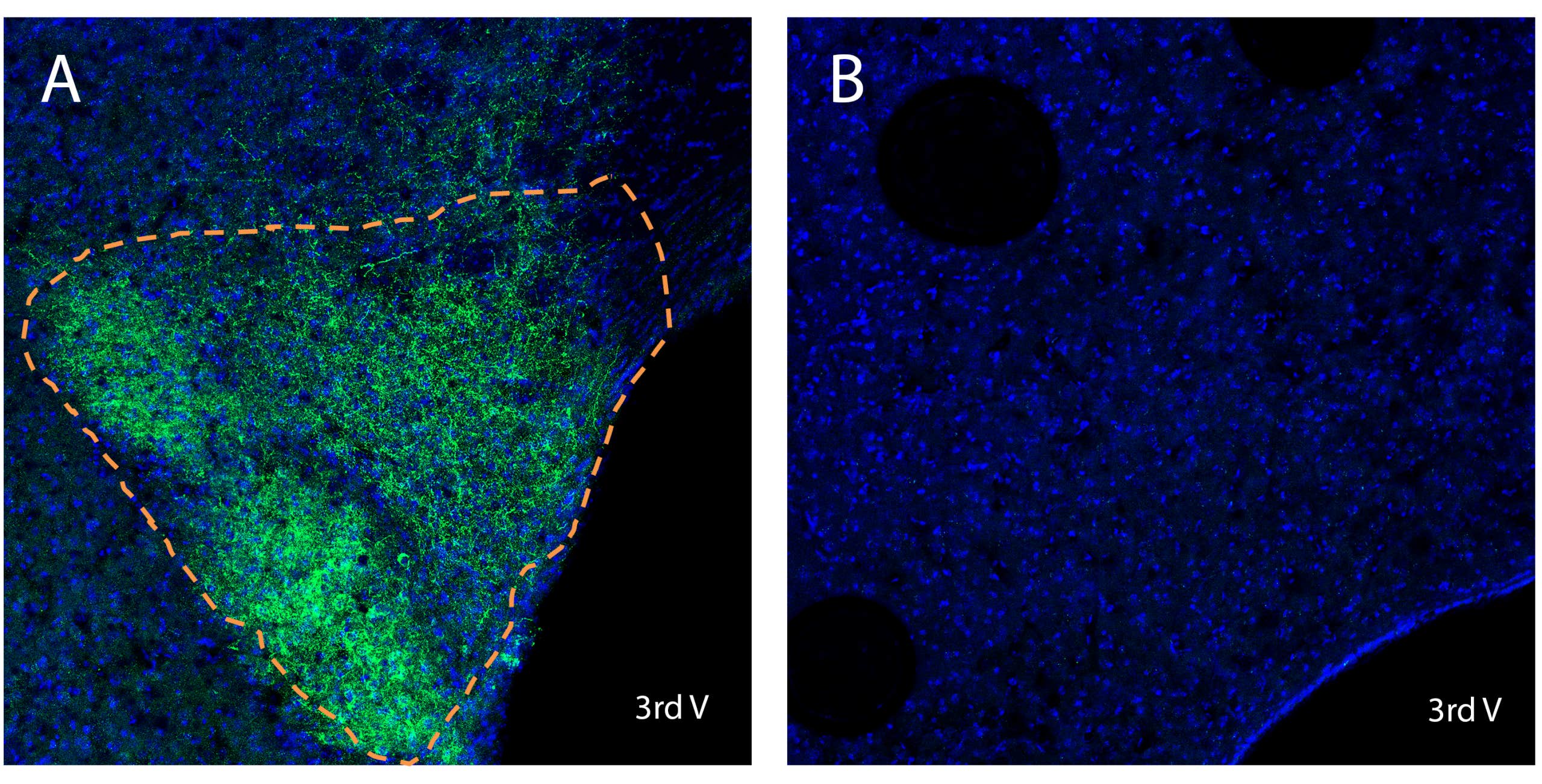 A Rabbit Polyclonal Antibody to LPA Receptor 6 (P2RY5)
- Product Code: ALR-036
- Short Description: A Rabbit Polyclonal Antibody to LPA Receptor 6 (P2RY5)
- Host: Rabbit
- Label: Unconjugated
- Reactivity: Human, Rat, Mouse
- Applications: Indirect flow cytometry, Live cell imaging, Western blot
- Target: Lysophosphatidic acid receptor 6, LPA receptor 6, LPA-6, P2Y purinoceptor 5, Purinergic receptor 5, P2Y5, RB intron encoded G-protein coupled receptor
-
 A Rabbit Polyclonal antibody to LRRC33 (extracellular)
- Product Code: ALR-043
- Short Description: A Rabbit Polyclonal antibody to LRRC33 (extracellular)
- Host: Rabbit
- Label: Unconjugated
- Reactivity: Human, Rat, Mouse
- Applications: Indirect flow cytometry, Live cell imaging, Western blot, Immunohistochemistry
- Target: Leucine-Rich Repeat-Containing Protein 33, Transforming growth factor beta activator LRRC33, Negative Regulator Of Reactive Oxygen Species, NRROS
-
 A Rabbit Polyclonal Antibody to LRRC8A
- Product Code: AAC-001
- Short Description: A Rabbit Polyclonal Antibody to LRRC8A
- Host: Rabbit
- Label: Unconjugated
- Reactivity: Human, Rat, Mouse
- Applications: Indirect flow cytometry, Live cell imaging, Western blot, Immunofluorescence
- Target: Leucine-rich repeat-containing protein 8A, Volume-regulated anion channel subunit LRRC8A, LRRC8, Swelling protein 1, SWELL1
-
 A Rabbit Polyclonal Antibody to LRRTM1
- Product Code: ANR-141
- Short Description: A Rabbit Polyclonal Antibody to LRRTM1
- Host: Rabbit
- Label: Unconjugated
- Reactivity: Rat, Mouse
- Applications: Western blot, Immunofluorescence, Immunohistochemistry
- Target: Leucine-rich repeat transmembrane neuronal protein 1
-
 A Rabbit Polyclonal antibody to LRRTM2 (extracellular)
- Product Code: ANR-142
- Short Description: A Rabbit Polyclonal antibody to LRRTM2 (extracellular)
- Host: Rabbit
- Label: Unconjugated
- Reactivity: Human, Rat, Mouse
- Applications: Western blot, Immunohistochemistry
- Target: Leucine-rich repeat transmembrane neuronal protein 2, Leucine-Rich Repeat Neuronal 2 Protein, LRRN2
-
 A Rabbit Polyclonal Antibody to Lynx1
- Product Code: ANC-021
- Short Description: A Rabbit Polyclonal Antibody to Lynx1
- Host: Rabbit
- Label: Unconjugated
- Reactivity: Human, Rat, Mouse
- Applications: Indirect flow cytometry, Western blot, Immunofluorescence, Immunohistochemistry
- Target: Ly-6/Neurotoxin-like protein 1, Endogenous prototoxin LYNX1
-
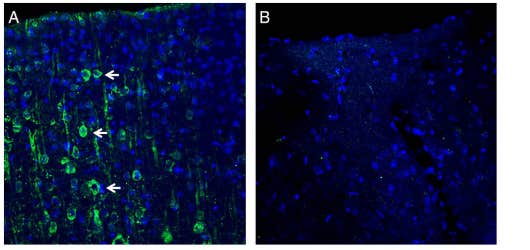 A Rabbit Polyclonal antibody to MAGT1 (extracellular) magnesium transporter.
- Product Code: ANT-197
- Short Description: A Rabbit Polyclonal antibody to MAGT1 (extracellular) magnesium transporter.
- Host: Rabbit
- Label: Unconjugated
- Reactivity: Human, Rat, Mouse
- Applications: Indirect flow cytometry, Live cell imaging, Western blot, Immunohistochemistry
- Target: Magnesium Transporter 1, Oligosaccharyl Transferase Subunit MAGT1, Implantation-Associated Protein, SLC58A1
-
 A Rabbit Polyclonal Antibody to Melanocortin Receptor 2
- Product Code: AMR-022
- Short Description: A Rabbit Polyclonal Antibody to Melanocortin Receptor 2
- Host: Rabbit
- Label: Unconjugated
- Reactivity: Human, Rat, Mouse
- Applications: Western blot, Immunohistochemistry
- Target: Melanocortin receptor 2, MC2R, MC2-R, Adrenocorticotropic hormone receptor, ACTH receptor, ACTHR, ACTH-R, Adrenocorticotropin receptor
-
 A Rabbit Polyclonal Antibody to Melanocortin Receptor 3
- Product Code: AMR-023
- Short Description: A Rabbit Polyclonal Antibody to Melanocortin Receptor 3
- Host: Rabbit
- Label: Unconjugated
- Reactivity: Human, Rat, Mouse
- Applications: Indirect flow cytometry, Live cell imaging, Western blot, Immunofluorescence, Immunohistochemistry
- Target: Melanocortin receptor 3, MC3R, MC3-R
Loading...