-
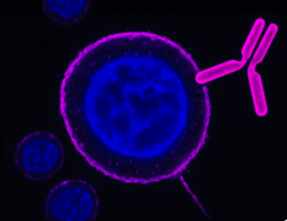
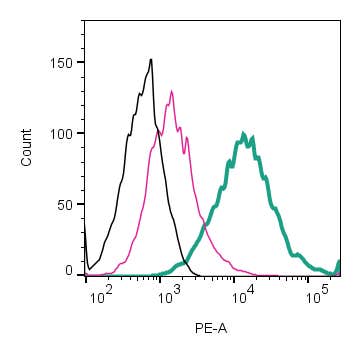 A Rabbit polyclonal antibody to Prostaglandin E Receptor EP2/PTGER2 (extracellular) conjugated to R-Phycoerythrin (R-PE) fluorophore.
- Product Code: APR-064-PE
- Short Description: A Rabbit polyclonal antibody to Prostaglandin E Receptor EP2/PTGER2 (extracellular) conjugated to R-Phycoerythrin (R-PE) fluorophore.
- Host: Rabbit
- Label: R-PE
- Reactivity: Human, Rat, Mouse
- Applications: Live cell imaging, Flow cytometry
- Target: Prostaglandin E2 receptor EP2 subtype, PGE2 receptor EP2 subtype, Prostanoid EP2 receptor
-
 A Rabbit polyclonal antibody to PTGFRN (extracellular)
- Product Code: ANR-212
- Short Description: A Rabbit polyclonal antibody to PTGFRN (extracellular)
- Host: Rabbit
- Label: Unconjugated
- Reactivity: Human, Rat, Mouse
- Applications: Indirect flow cytometry, Live cell imaging, Western blot, Immunohistochemistry
- Target: Prostaglandin F2 Receptor Inhibitor, CD9 Partner 1, CD9P-1, FPRP, Glu-Trp-Ile EWI motif-containing protein F, EWI-F, CD315
-
 A Rabbit Polyclonal Antibody to Parathyroid Hormone 1 Receptor
- Product Code: APR-051
- Short Description: A Rabbit Polyclonal Antibody to Parathyroid Hormone 1 Receptor
- Host: Rabbit
- Label: Unconjugated
- Reactivity: Human, Rat, Mouse
- Applications: Live cell imaging, Western blot, Immunocytochemistry, Immunofluorescence, Immunohistochemistry
- Target: Parathyroid hormone 1 receptor, PTH/PTHrP type I receptor, PTH1 receptor, PTHR, PTHR1
-
 A Rabbit Polyclonal Antibody to Parathyroid Hormone 2 Receptor
- Product Code: APR-052
- Short Description: A Rabbit Polyclonal Antibody to Parathyroid Hormone 2 Receptor
- Host: Rabbit
- Label: Unconjugated
- Reactivity: Rat, Mouse
- Applications: Western blot
- Target: Parathyroid hormone 2 receptor, PTH2 receptor, PTHR2
-
 A Rabbit Polyclonal Antibody to Parathyroid Hormone 2 Receptor Conjugated to the Fluorescent Dye ATTO-488
- Product Code: APR-052-AG
- Short Description: A Rabbit Polyclonal Antibody to Parathyroid Hormone 2 Receptor Conjugated to the Fluorescent Dye ATTO-488
- Host: Rabbit
- Label: ATTO 488
- Reactivity: Rat, Mouse
- Applications: Immunofluorescence, Immunohistochemistry
- Target: Parathyroid hormone 2 receptor, PTH2 receptor, PTHR2
-
 A Rabbit Polyclonal Antibody to QRFP Receptor
- Product Code: AGR-033
- Short Description: A Rabbit Polyclonal Antibody to QRFP Receptor
- Host: Rabbit
- Label: Unconjugated
- Reactivity: Human, Rat, Mouse
- Applications: Western blot
- Target: Pyroglutamylated RF-amide peptide receptor, Orexigenic neuropeptide QRFP receptor, G-protein coupled receptor 103, Peptide P518 receptor, SP9155, AQ27
-
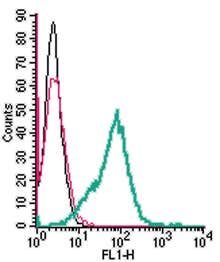 A Rabbit Polyclonal Antibody to RAGE
- Product Code: ANR-176
- Short Description: A Rabbit Polyclonal Antibody to RAGE
- Host: Rabbit
- Label: Unconjugated
- Reactivity: Human, Rat, Mouse
- Applications: Indirect flow cytometry, Western blot
- Target: Advanced Glycosylation End Product-Specific Receptor, AGER, Receptor For Advanced Glycosylation End Products, SCARJ1
-

 A Rabbit Polyclonal Antibody to RAMP1
- Product Code: ARR-021
- Short Description: A Rabbit Polyclonal Antibody to RAMP1
- Host: Rabbit
- Label: Unconjugated
- Reactivity: Rat, Mouse
- Applications: Indirect flow cytometry, Live cell imaging, Western blot, Immunocytochemistry, Immunofluorescence, Immunohistochemistry
- Target: Receptor activity-modifying protein 1, Calcitonin receptor-like receptor activity-modifying protein 1
-
 A Rabbit Polyclonal Antibody to RAMP2
- Product Code: ARR-022
- Short Description: A Rabbit Polyclonal Antibody to RAMP2
- Host: Rabbit
- Label: Unconjugated
- Reactivity: Rat, Mouse
- Applications: Indirect flow cytometry, Live cell imaging, Western blot
- Target: Receptor activity-modifying protein 2, CRLR activity-modifying protein 2, Calcitonin receptor-like receptor activity-modifying protein 2
-
 A Rabbit Polyclonal Antibody to Chemerin Receptor 1
- Product Code: ACR-033
- Short Description: A Rabbit Polyclonal Antibody to Chemerin Receptor 1
- Host: Rabbit
- Label: Unconjugated
- Reactivity: Mouse
- Applications: Western blot, Immunohistochemistry
- Target: Chemokine-like receptor 1, Cmklr1, Chemerin1, Gpcr27, G-protein coupled receptor ChemR23, CHEMERINR, G-protein coupled chemoattractant-like receptor, G-protein coupled receptor DEZ
Loading...