-
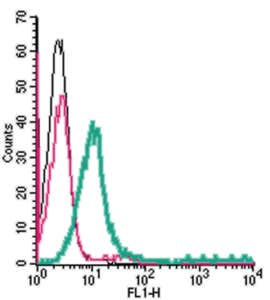 A Rabbit Polyclonal Antibody to Sphingosine 1-Phosphate Receptor 1 Conjugated to the Fluorescent Dye FITC
- Product Code: ASR-011-F
- Short Description: A Rabbit Polyclonal Antibody to Sphingosine 1-Phosphate Receptor 1 Conjugated to the Fluorescent Dye FITC
- Host: Rabbit
- Label: FITC
- Reactivity: Human, Rat, Mouse
- Applications: Live cell imaging, Flow cytometry
- Target: Sphingosine 1-phosphate receptor 1, S1P1, Endothelial differentiation G-protein coupled receptor 1, CHEDG1, CD363
-
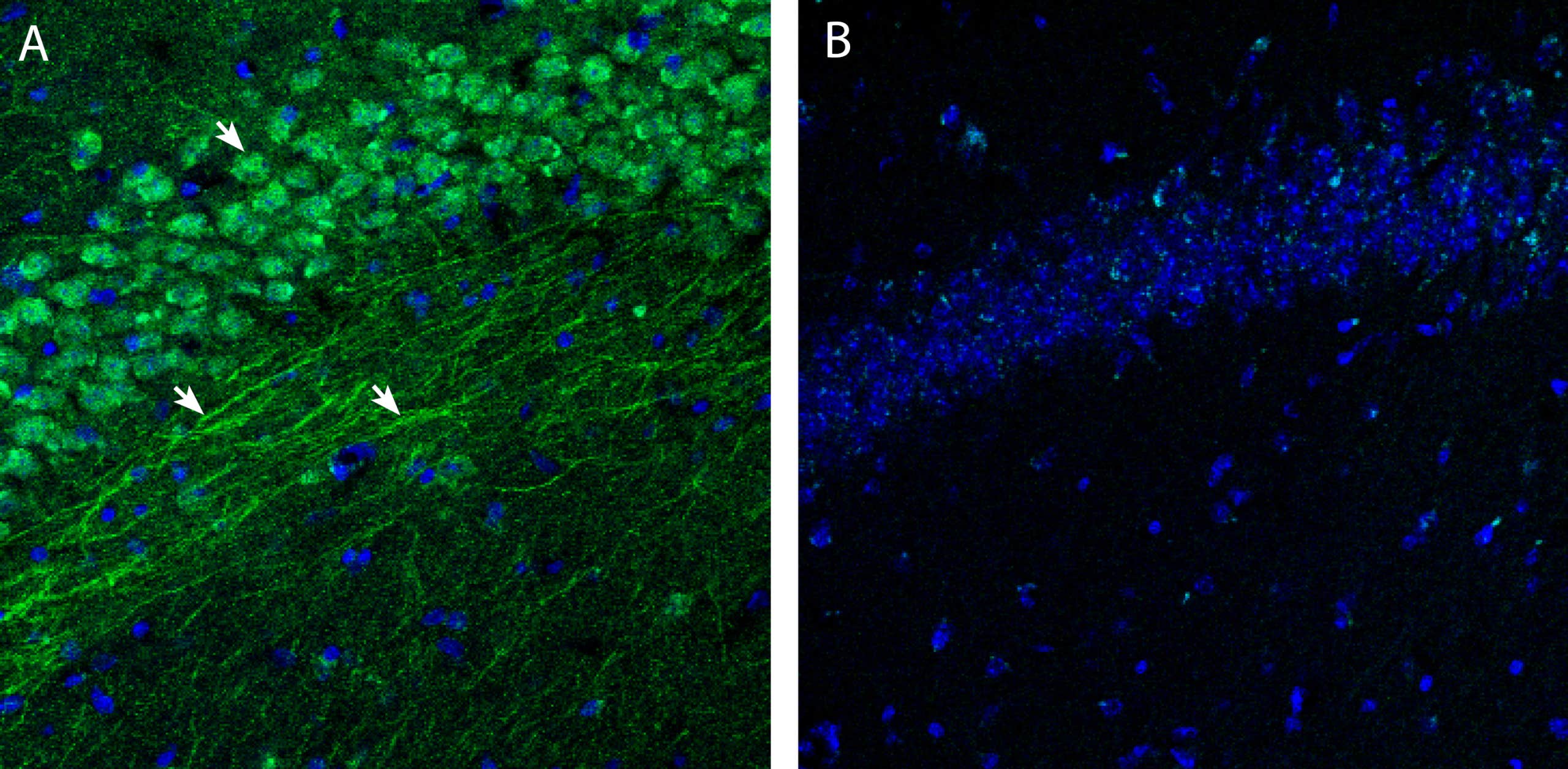 A Rabbit Polyclonal Antibody to Sphingosine 1-Phosphate Receptor 3
- Product Code: ASR-013
- Short Description: A Rabbit Polyclonal Antibody to Sphingosine 1-Phosphate Receptor 3
- Host: Rabbit
- Label: Unconjugated
- Reactivity: Human, Rat, Mouse
- Applications: Indirect flow cytometry, Live cell imaging, Western blot
- Target: Sphingosine 1-phosphate receptor 3, S1P3, Endothelial differentiation G-protein coupled receptor 3, Lysophospholipid receptor B3, LPB3
-
 A Rabbit Polyclonal Antibody to Sphingosine 1-Phosphate Receptor 3 Conjugated to the Fluorescent Dye ATTO-488
- Product Code: ASR-013-AG
- Short Description: A Rabbit Polyclonal Antibody to Sphingosine 1-Phosphate Receptor 3 Conjugated to the Fluorescent Dye ATTO-488
- Host: Rabbit
- Label: ATTO 488
- Reactivity: Human, Rat, Mouse
- Applications: Flow cytometry
- Target: Sphingosine 1-phosphate receptor 3, S1P3, Endothelial differentiation G-protein coupled receptor 3, Lysophospholipid receptor B3, LPB3
-
 A Rabbit Polyclonal Antibody to Sphingosine 1-Phosphate Receptor 3 Conjugated to the Fluorescent Dye FITC
- Product Code: ASR-013-F
- Short Description: A Rabbit Polyclonal Antibody to Sphingosine 1-Phosphate Receptor 3 Conjugated to the Fluorescent Dye FITC
- Host: Rabbit
- Label: FITC
- Reactivity: Human, Rat, Mouse
- Applications: Live cell imaging, Flow cytometry
- Target: Sphingosine 1-phosphate receptor 3, S1P3, Endothelial differentiation G-protein coupled receptor 3, Lysophospholipid receptor B3, LPB3
-
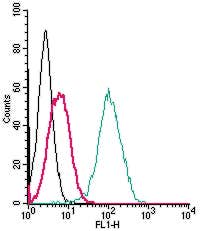 A Rabbit Polyclonal Antibody to Sphingosine 1-Phosphate Receptor 5
- Product Code: ASR-015
- Short Description: A Rabbit Polyclonal Antibody to Sphingosine 1-Phosphate Receptor 5
- Host: Rabbit
- Label: Unconjugated
- Reactivity: Human, Rat, Mouse
- Applications: Indirect flow cytometry, Live cell imaging, Western blot
- Target: S1P receptor 5, S1P5, Endothelial differentiation G-protein-coupled receptor 8, Lysophospholipid receptor B4, Sphingosine 1-phosphate receptor Edg-8, S1P receptor Edg-8
-
 A Rabbit polyclonal antibody to Nav1.1 (extracellular)
- Product Code: ASC-051
- Short Description: A Rabbit polyclonal antibody to Nav1.1 (extracellular)
- Host: Rabbit
- Label: Unconjugated
- Reactivity: Human, Rat, Mouse
- Applications: Western blot, Immunohistochemistry
- Target: Sodium channel protein type I subunit alpha, NAC1
-
 A Rabbit Polyclonal Antibody to NaVβ1 Subunit
- Product Code: ASC-041
- Short Description: A Rabbit Polyclonal Antibody to NaVβ1 Subunit
- Host: Rabbit
- Label: Unconjugated
- Reactivity: Rat, Mouse
- Applications: Live cell imaging, Western blot, Immunocytochemistry, Immunofluorescence, Immunohistochemistry
- Target: Voltage-gated sodium channel subunit beta-1, GEFSP1
-
 A Rabbit Polyclonal Antibody to SCN3A (NaV1.3) Channel
- Product Code: ASC-023
- Short Description: A Rabbit Polyclonal Antibody to SCN3A (NaV1.3) Channel
- Host: Rabbit
- Label: Unconjugated
- Reactivity: Mouse
- Applications: Live cell imaging, Western blot, Immunocytochemistry, Immunofluorescence
- Target: BIII, Brain type III Na+ channel, Sodium channel protein type 3 subunit alpha
-
 A Rabbit Polyclonal Antibody to NaVβ4 Subunit
- Product Code: ASC-044
- Short Description: A Rabbit Polyclonal Antibody to NaVβ4 Subunit
- Host: Rabbit
- Label: Unconjugated
- Reactivity: Human, Rat, Mouse
- Applications: Indirect flow cytometry, Live cell imaging, Western blot, Immunocytochemistry, Immunofluorescence, Immunohistochemistry
- Target: Voltage-gated sodium channel subunit beta-4, LQT10
-
 A Rabbit Polyclonal Antibody to Secretin Receptor
- Product Code: AGR-026
- Short Description: A Rabbit Polyclonal Antibody to Secretin Receptor
- Host: Rabbit
- Label: Unconjugated
- Reactivity: Human, Rat, Mouse
- Applications: Western blot, Immunofluorescence, Immunohistochemistry
- Target: SCTR
Loading...