-
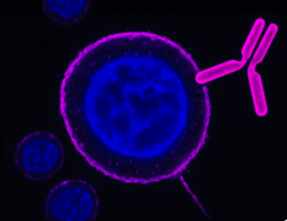
 A Rabbit Polyclonal antibody to TMC1 (extracellular)
- Product Code: ATC-010
- Short Description: A Rabbit Polyclonal antibody to TMC1 (extracellular)
- Host: Rabbit
- Label: Unconjugated
- Reactivity: Human, Rat, Mouse
- Applications: Indirect flow cytometry, Live cell imaging, Western blot
- Target: Transmembrane Channel Like 1, Transmembrane cochlear-expressed protein 1
-
 A Rabbit Polyclonal antibody to TMEM106B (extracellular)
- Product Code: ANR-177
- Short Description: A Rabbit Polyclonal antibody to TMEM106B (extracellular)
- Host: Rabbit
- Label: Unconjugated
- Reactivity: Human, Rat, Mouse
- Applications: Indirect flow cytometry, Live cell imaging, Western blot, Immunohistochemistry
- Target: Transmembrane Protein 106B
-
 A Rabbit Polyclonal Antibody to TMEM108 (Extracellular)
- Product Code: ANR-228
- Short Description: A Rabbit Polyclonal Antibody to TMEM108 (Extracellular)
- Host: Rabbit
- Label: Unconjugated
- Reactivity: Human, Rat, Mouse
- Applications: Indirect flow cytometry, Live cell imaging, Western blot, Immunohistochemistry
- Target: TMEM108
-
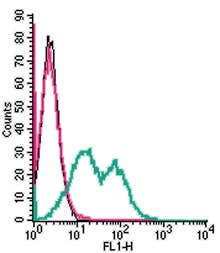 A Rabbit Polyclonal Antibody to TMEM119 (extracellular)
- Product Code: ANR-175
- Short Description: A Rabbit Polyclonal Antibody to TMEM119 (extracellular)
- Host: Rabbit
- Label: Unconjugated
- Reactivity: Rat, Mouse
- Applications: Indirect flow cytometry, Western blot
- Target: Transmembrane Protein 119, Osteoblast induction factor, OBIF
-
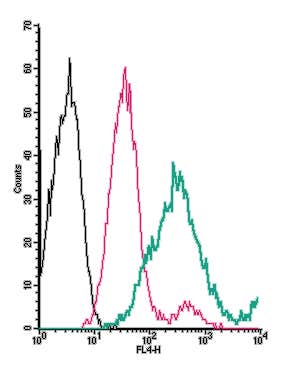 A Rabbit Polyclonal Antibody to TMEM119 (extracellular) conjugated to the fluorescent dye Allophycocyanin (APC)
- Product Code: ANR-175-APC
- Short Description: A Rabbit Polyclonal Antibody to TMEM119 (extracellular) conjugated to the fluorescent dye Allophycocyanin (APC)
- Host: Rabbit
- Label: APC
- Reactivity: Rat, Mouse
- Applications: Live cell imaging, Flow cytometry
- Target: Transmembrane Protein 119, Osteoblast induction factor, OBIF
-
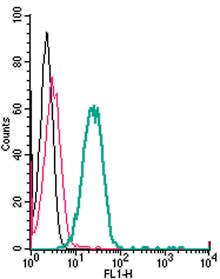 A Rabbit Polyclonal Antibody to TMEM119 (extracellular) conjugated to the fluorescent dye FITC
- Product Code: ANR-175-F
- Short Description: A Rabbit Polyclonal Antibody to TMEM119 (extracellular) conjugated to the fluorescent dye FITC
- Host: Rabbit
- Label: FITC
- Reactivity: Rat, Mouse
- Applications: Flow cytometry
- Target: Transmembrane Protein 119, Osteoblast induction factor, OBIF
-
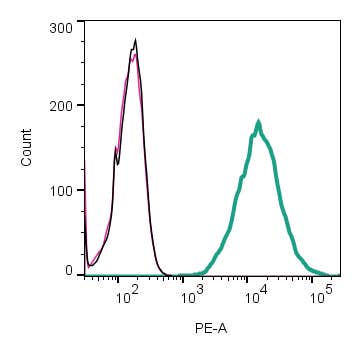 A Rabbit Polyclonal Antibody to TMEM119 conjugatd to R-Phycoerythrin (R-PE) fluorophore
- Product Code: ANR-175-PE
- Short Description: A Rabbit Polyclonal Antibody to TMEM119 conjugatd to R-Phycoerythrin (R-PE) fluorophore
- Host: Rabbit
- Label: R-PE
- Reactivity: Rat, Mouse
- Applications: Live cell imaging, Flow cytometry
- Target: Transmembrane Protein 119, Osteoblast induction factor, OBIF
-
 A Rabbit Polyclonal antibody to TMEM150C/Tentonin 3 (extracellular).
- Product Code: APC-088
- Short Description: A Rabbit Polyclonal antibody to TMEM150C/Tentonin 3 (extracellular).
- Host: Rabbit
- Label: Unconjugated
- Reactivity: Rat, Mouse
- Applications: Indirect flow cytometry, Live cell imaging, Western blot, Immunohistochemistry
- Target: Transmembrane Protein 150C, TTN3
-
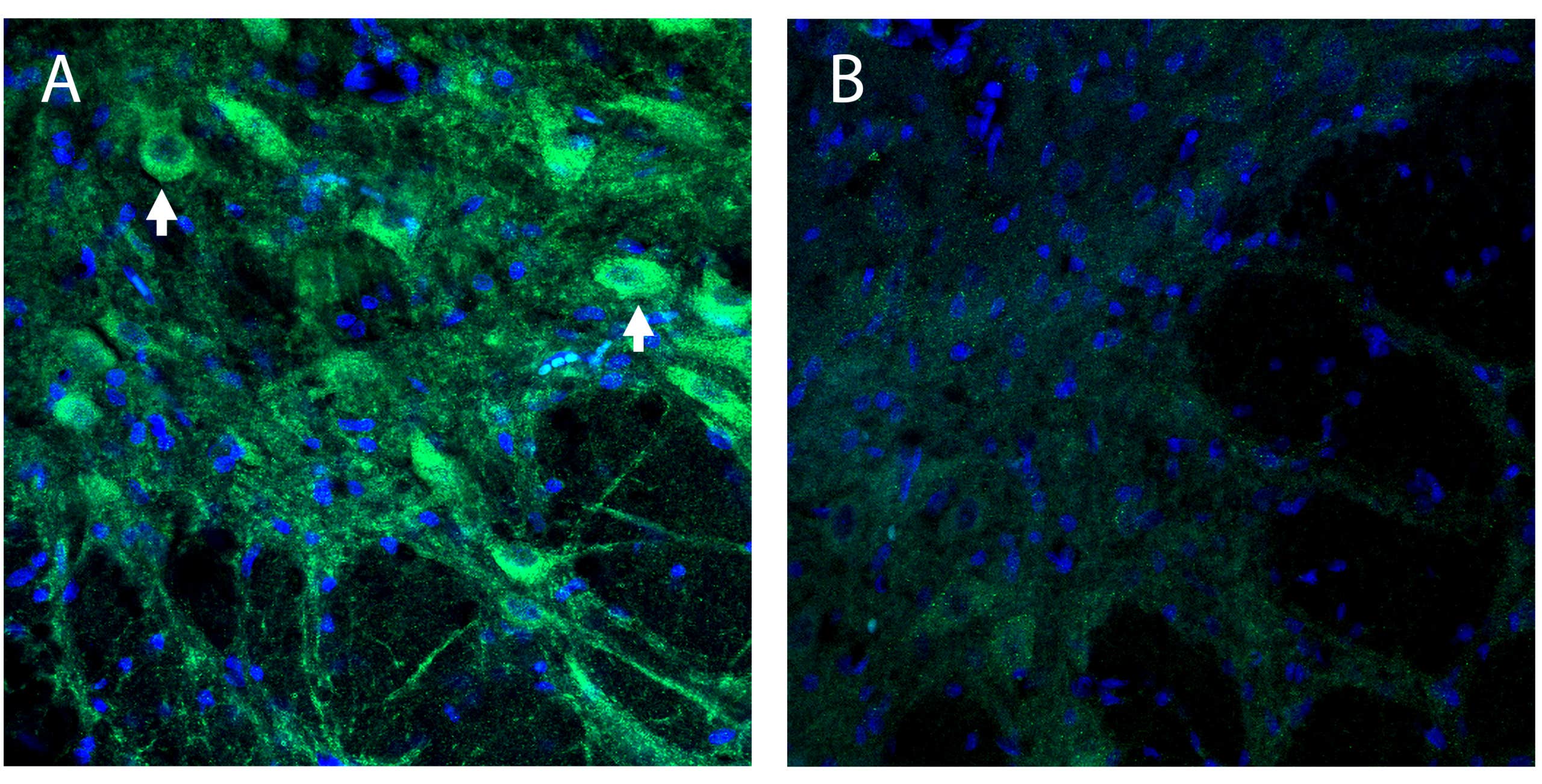 A Rabbit Polyclonal Antibody to Anoctamin-1 (TMEM16A) Channel
- Product Code: ACL-011
- Short Description: A Rabbit Polyclonal Antibody to Anoctamin-1 (TMEM16A) Channel
- Host: Rabbit
- Label: Unconjugated
- Reactivity: Rat, Mouse
- Applications: Indirect flow cytometry, Live cell imaging, Western blot, Immunofluorescence, Immunohistochemistry
- Target: Anoctamin-1, Transmembrane protein 16A, DOG-1, ORAOV2, TAOS2
-

 A Rabbit Polyclonal Antibody to Anoctamin-2 (TMEM16B) Channel
- Product Code: ACL-012
- Short Description: A Rabbit Polyclonal Antibody to Anoctamin-2 (TMEM16B) Channel
- Host: Rabbit
- Label: Unconjugated
- Reactivity: Rat, Mouse
- Applications: Western blot, Immunocytochemistry, Immunofluorescence, Immunohistochemistry
- Target: Anoctamin-2, Transmembrane protein 16B, C12orf3
Loading...