
Ion Channels

Ion Channels

Engineered venom-derived peptide toxins designed for high-specificity ion channel research and reproducible experimental performance.

Our toxins are developed in-house using controlled synthesis, folding, and multistep purification workflows that eliminate non-specific components found in crude venom. Each peptide is validated by HPLC, mass spectrometry, and functional bioassays, for lot-to-lot consistency and reliable performance. Available in synthetic, recombinant, native, and optionally fluorophore-conjugated formats. These reagents enable precise functional electrophysiology, imaging, and live-cell studies across neuronal systems.

Product Categories

No categories available

FAQs

Lorem ipsum dolor sit amet, consectetur adipiscing elit. Curabitur quis risus id enim vehicula interdum et ac sem.

  • The expected molecular weight (MW) listed in the product datasheet is based solely on the size of the target protein’s amino acid sequence. It’s important to remember that many factors can affect the banding pattern of your western blot including: (1) the existence of a splice variant, (2) the quality of the loaded sample, (3) the protein extraction method, and (4) the protein transfer conditions. To achieve accurate results, you may need to systematically adjust the protein extraction method or the protein transfer conditions.

    • If the band’s MW is below the expected MW it could be due to a splice variant with a slightly different MW.
      • Heat the samples at 70°C for 10 min.
      • Increase the transfer time.
    • If the band’s MW is above the expected MW, it could be due to post-translational modifications.
    • In either event, you should use a blocking peptide as a negative control.
  • Some toxins and peptides are soluble in DMSO; you can find this information in the product specification section. For these products, prepare a concentrated stock solution first.

    1. Centrifuge vial (10,000 x g, 5 minutes) before adding solvent.
    2. Dissolve the lyophilized reagent in DMSO. We recommend keeping a concentrated stock solution at 1-10 mM (100-1000X higher than the final working concentration).
    3. Once the peptide is completely dissolved in DMSO, slowly dilute the peptide in pure water (or buffer) to the desired final working concentration.

    Note: We recommend that you maintain a DMSO concentration as low as possible. For cell assays, a final concentration of 0.1–0.5% DMSO (v/v) is considered acceptable. For other experiments, 5% DMSO (v/v) is recommended; adjust this according to your experimental requirements.

  • FAQ 3FAQ 3FAQ 3FAQ 3

Category: KCa2 (SK)
5 Results
  • Apamin-Biotin
    A biotinylated apamin for imaging and sensitive detection of KCa2 potassium channels (SK channels)
    • Product Code: STA-200-B
    • Short Description: A biotinylated apamin for imaging and sensitive detection of KCa2 potassium channels (SK channels)
    • Applications: Electrophysiology, Immunofluorescence
    • MW: 2367 Da
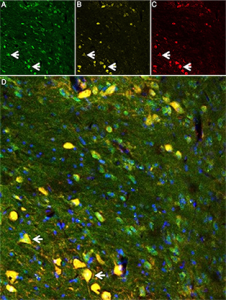
  • Apamin-ATTO Fluor-488
    A fluorescent probe for imaging and sensitive detection of KCa2 potassium channels (SK channels)
    • Product Code: STA-200-AG
    • Short Description: A fluorescent probe for imaging and sensitive detection of KCa2 potassium channels (SK channels)
    • Applications: Electrophysiology, Direct flow cytometry, Fluorescence staining, Live cell imaging, Immunofluorescence
    • MW: 2601 Da
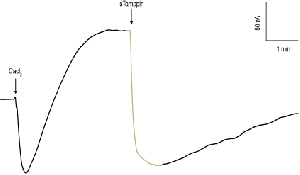
  • Tamapin
    A potent blocker of KCa2.2 (SK2) channels
    • Product Code: STT-400
    • Short Description: A potent blocker of KCa2.2 (SK2) channels
    • Applications: Electrophysiology
    • CAS No.: 508220-81-3
    • MW: 3458.2 Da
  • Scyllatoxin
    A potent and selective blocker of KCa2.2 and KCa2.3 (SK) K+ channels
    • Product Code: STS-370
    • Short Description: A potent and selective blocker of KCa2.2 and KCa2.3 (SK) K+ channels
    • Applications: Electrophysiology
    • CAS No.: 142948-19-4
    • MW: 3423 Da
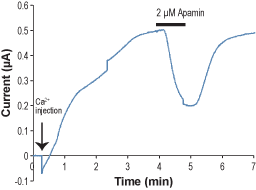
  • Apamin
    A blocker of small conductance Ca2+-Activated K+ Channels (SK Type, KCa2)
    • Product Code: STA-200
    • Applications: Electrophysiology
    • CAS No.: 24345-16-2
    • MW: 2027.3 Da
Loading...

Have questions about our products?

Step-by-Step Protocols