-
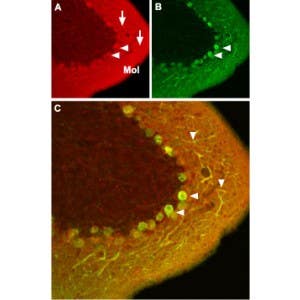
 A fluorescent probe for imaging and sensitive detection of KCa1.1 (BK) K+ channels
- Product Code: STI-400-FRN
- Short Description: A fluorescent probe for imaging and sensitive detection of KCa1.1 (BK) K+ channels
- Applications: Electrophysiology, Direct flow cytometry, Fluorescence staining, Live cell imaging, Immunofluorescence
- MW: 4858 Da
-
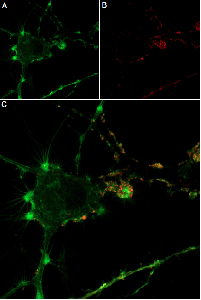 A fluorescent probe for imaging and sensitive detection of Kir1.1 and GIRK potassium channels
- Product Code: STT-170-FR
- Short Description: A fluorescent probe for imaging and sensitive detection of Kir1.1 and GIRK potassium channels
- Applications: Electrophysiology, Fluorescence staining, Live cell imaging, Immunofluorescence
- MW: 3159.6 Da
-
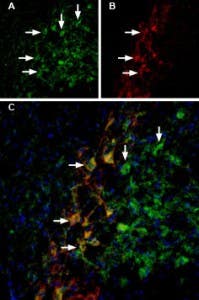 A fluorescent probe for imaging and sensitive detection of Kir1.1 and GIRK potassium channels
- Product Code: STT-170-AG
- Short Description: A fluorescent probe for imaging and sensitive detection of Kir1.1 and GIRK potassium channels
- Applications: Electrophysiology, Direct flow cytometry, Live cell imaging, Immunofluorescence
- MW: 3195.5 Da
-
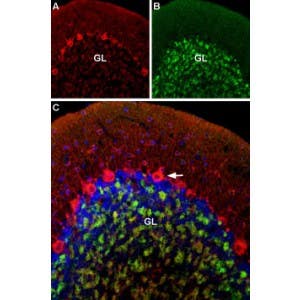
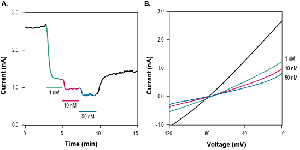 A biotinylated apamin for imaging and sensitive detection of KCa2 potassium channels (SK channels)
- Product Code: STA-200-B
- Short Description: A biotinylated apamin for imaging and sensitive detection of KCa2 potassium channels (SK channels)
- Applications: Electrophysiology, Immunofluorescence
- MW: 2367 Da
-
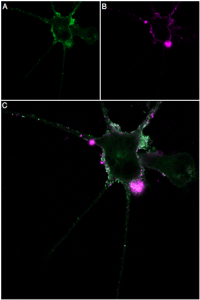
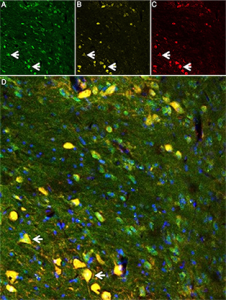 A fluorescent probe for imaging and sensitive detection of KCa2 potassium channels (SK channels)
- Product Code: STA-200-AG
- Short Description: A fluorescent probe for imaging and sensitive detection of KCa2 potassium channels (SK channels)
- Applications: Electrophysiology, Direct flow cytometry, Fluorescence staining, Live cell imaging, Immunofluorescence
- MW: 2601 Da
-
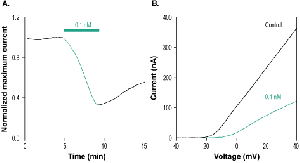 A highly potent blocker of the KV1.2 potassium channels
- Product Code: STU-200
- Short Description: A highly potent blocker of the KV1.2 potassium channels
- Applications: Electrophysiology
- MW: 4012.8 Da
-
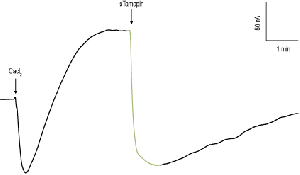 A potent blocker of KCa2.2 (SK2) channels
- Product Code: STT-400
- Short Description: A potent blocker of KCa2.2 (SK2) channels
- Applications: Electrophysiology
- CAS No.: 508220-81-3
- MW: 3458.2 Da
-
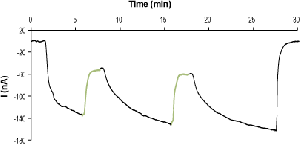 A potent blocker of Kir1.1, GIRK, and KCa1.1 (BK) potassium channels
- Product Code: STT-250
- Applications: Electrophysiology
- CAS No.: 58694-52-3
- MW: 2455 Da
-
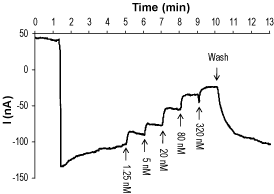 A potent blocker of Kir1.1 and GIRK potassium channels
- Product Code: STT-170
- Short Description: A potent blocker of Kir1.1 and GIRK potassium channels
- Applications: Electrophysiology
- CAS No.: 910044-56-3
- MW: 2452 Da
-
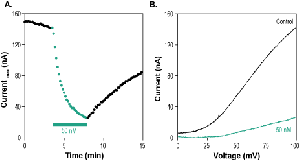 A potent and selective blocker of KCa1.1 (BK) channels
- Product Code: STS-410
- Short Description: A potent and selective blocker of KCa1.1 (BK) channels
- Applications: Electrophysiology
- CAS No.: 401470-29-9
- MW: 4085.9 Da
Loading...