-

 A Rabbit Polyclonal Antibody to ASIC2a Channel
- Product Code: ASC-012
- Short Description: A Rabbit Polyclonal Antibody to ASIC2a Channel
- Host: Rabbit
- Label: Unconjugated
- Reactivity: Human, Rat, Mouse
- Applications: Western blot, Immunocytochemistry, Immunofluorescence, Immunoprecipitation, Immunohistochemistry
- Target: ACCN1, Acid-sensing ion channel 2, Brain sodium channel 1, BNaC1, BNC1, Amiloride-sensitive cation channel neuronal 1, Mammalian degenerin homolog, MDEG
-
 A Rabbit Polyclonal Antibody to ASIC2a Channel Conjugated to the Fluorescent Dye ATTO-594
- Product Code: ASC-012-AR
- Short Description: A Rabbit Polyclonal Antibody to ASIC2a Channel Conjugated to the Fluorescent Dye ATTO-594
- Host: Rabbit
- Label: ATTO 594
- Reactivity: Human, Rat, Mouse
- Applications: Immunofluorescence, Immunohistochemistry
- Target: ACCN1, Acid-sensing ion channel 2, Brain sodium channel 1, BNaC1, BNC1, Amiloride-sensitive cation channel neuronal 1, Mammalian degenerin homolog, MDEG
-
 A Rabbit Polyclonal Antibody to ASIC3 Channel
- Product Code: ASC-018
- Short Description: A Rabbit Polyclonal Antibody to ASIC3 Channel
- Host: Rabbit
- Label: Unconjugated
- Reactivity: Human, Rat, Mouse
- Applications: Western blot, Immunocytochemistry, Immunofluorescence, Immunohistochemistry
- Target: Acid-sensing ion channel 3, Amiloride-sensitive cation channel 3, ACCN3, DRASIC
-
 A Rabbit Polyclonal antibody to AXL (extracellular)
- Product Code: ATR-032
- Short Description: A Rabbit Polyclonal antibody to AXL (extracellular)
- Host: Rabbit
- Label: Unconjugated
- Reactivity: Human, Rat, Mouse
- Applications: Indirect flow cytometry, Live cell imaging, Western blot, Immunohistochemistry
- Target: AXL Receptor Tyrosine Kinase, Tyrosine-Protein Kinase Receptor UFO, AXL Oncogene, Tyro7, UFO
-
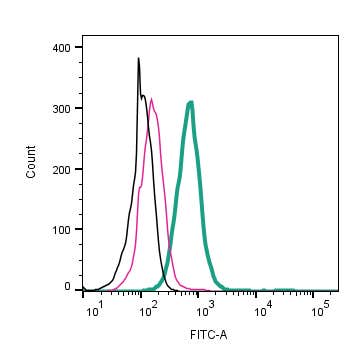 A Rabbit Polyclonal Antibody to AXL (extracellular) conjugated to the fluorescent dye FITC
- Product Code: ATR-032-F
- Short Description: A Rabbit Polyclonal Antibody to AXL (extracellular) conjugated to the fluorescent dye FITC
- Host: Rabbit
- Label: FITC
- Reactivity: Human, Rat, Mouse
- Applications: Live cell imaging, Flow cytometry
- Target: AXL Receptor Tyrosine Kinase, Tyrosine-Protein Kinase Receptor UFO, AXL Oncogene, Tyro7, UFO, ARK
-
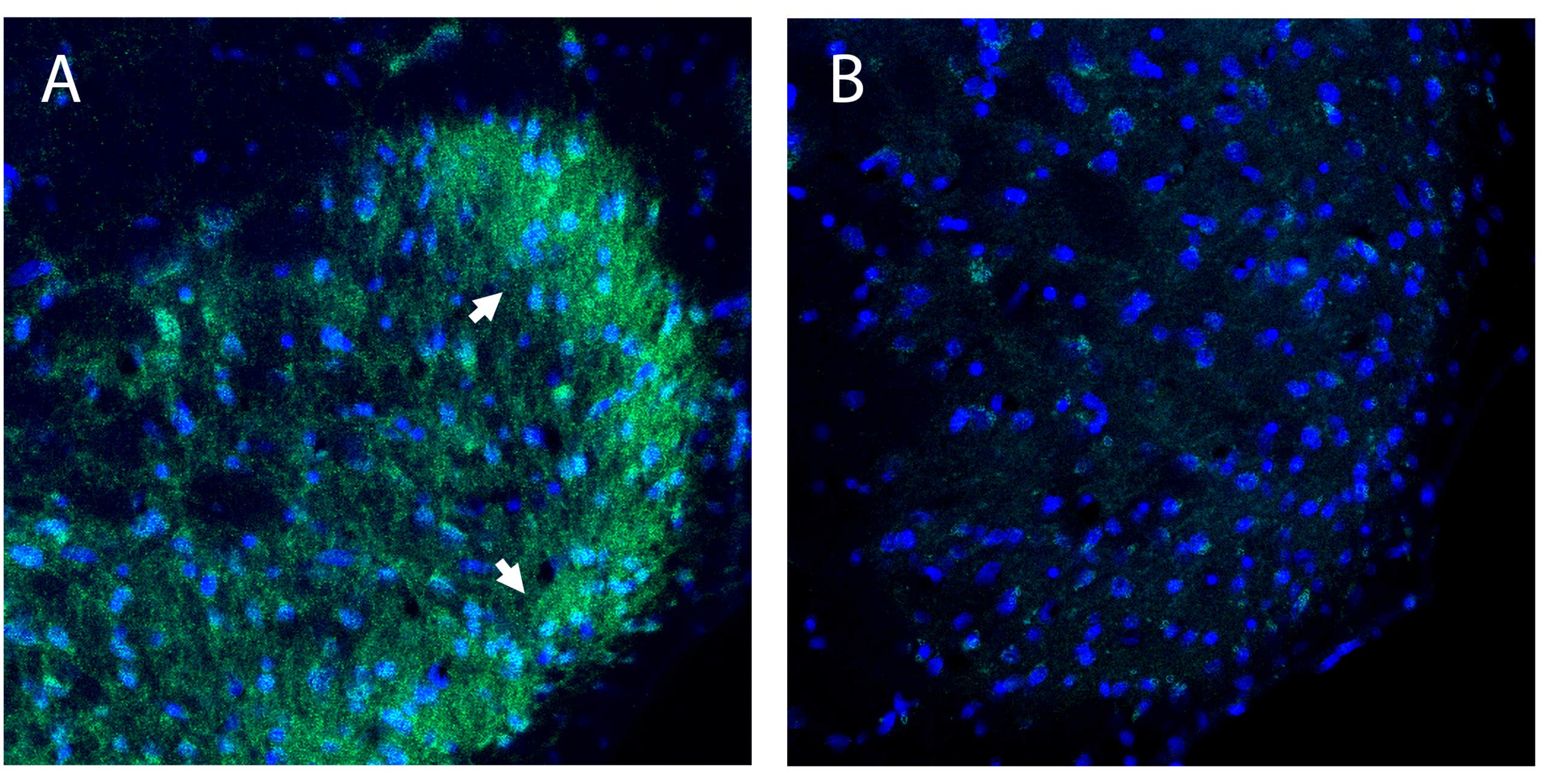 A Rabbit Polyclonal Antibody to B1 Bradykinin Receptor
- Product Code: ABR-013
- Short Description: A Rabbit Polyclonal Antibody to B1 Bradykinin Receptor
- Host: Rabbit
- Label: Unconjugated
- Reactivity: Rat, Mouse
- Applications: Indirect flow cytometry, Live cell imaging, Western blot
- Target: BK-1 receptor, BKRB1, B1R, BKR1
-
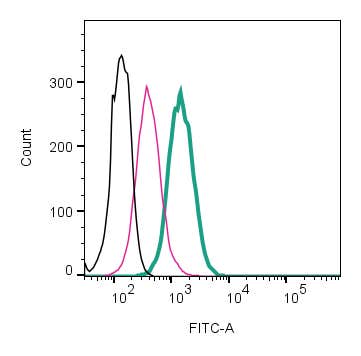 A Rabbit Polyclonal antibody to Human BDKRB1(extracellular) conjugated to FITC fluorophore.
- Product Code: ABR-013-F
- Short Description: A Rabbit Polyclonal antibody to Human BDKRB1(extracellular) conjugated to FITC fluorophore.
- Host: Rabbit
- Label: FITC
- Reactivity: Rat, Mouse
- Applications: Live cell imaging, Flow cytometry
- Target: BK-1 receptor, BKRB1, B1R, BKR2
-
 A Rabbit Polyclonal Antibody to B1 Bradykinin Receptor
- Product Code: ABR-011
- Short Description: A Rabbit Polyclonal Antibody to B1 Bradykinin Receptor
- Host: Rabbit
- Label: Unconjugated
- Reactivity: Rat, Mouse
- Applications: Western blot, Immunocytochemistry, Immunofluorescence, Immunohistochemistry
- Target: B1R, BKR1, B1BKR, BKRB1, Kinin B1, BRADYB1
-
 A Rabbit Polyclonal Antibody to B2 Bradykinin Receptor
- Product Code: ABR-012
- Short Description: A Rabbit Polyclonal Antibody to B2 Bradykinin Receptor
- Host: Rabbit
- Label: Unconjugated
- Reactivity: Human, Rat, Mouse
- Applications: Western blot, Immunocytochemistry, Immunofluorescence, Immunohistochemistry
- Target: B2R, BKR2, B2BKR, BKRB2, Kinin B2, BRADYB2
-
 A Rabbit Polyclonal Antibody to BAI1
- Product Code: ABR-021
- Short Description: A Rabbit Polyclonal Antibody to BAI1
- Host: Rabbit
- Label: Unconjugated
- Reactivity: Human, Rat, Mouse
- Applications: Indirect flow cytometry, Live cell imaging, Western blot, Immunofluorescence, Immunohistochemistry
- Target: Brain-specific angiogenesis inhibitor 1, Adhesion G protein-coupled receptor B1, ADGRB1, GDAIF
Loading...