
-
 A Rabbit Polyclonal Antibody to EMR1 Conjugated to the Fluorescent Dye FITC
- Product Code: AER-051-F
- Short Description: A Rabbit Polyclonal Antibody to EMR1 Conjugated to the Fluorescent Dye FITC
- Host: Rabbit
- Label: FITC
- Reactivity: Human, Rat, Mouse
- Applications: Flow cytometry
- Target: EMR1 hormone receptor, EGF-like module-containing mucin-like hormone receptor-like 1, Adhesion G protein-coupled receptor E1, TM7LN3, F4/80, GPF480
-
 A Rabbit Polyclonal Antibody to ENaCα Channel
- Product Code: ASC-030
- Short Description: A Rabbit Polyclonal Antibody to ENaCα Channel
- Host: Rabbit
- Label: Unconjugated
- Reactivity: Human, Rat, Mouse
- Applications: Western blot, Immunohistochemistry
- Target: Amiloride-sensitive sodium channel subunit alpha, Alpha-NaCH, Epithelial sodium channel α subunit, Alpha-ENaC, Nonvoltage-gated sodium channel 1 subunit alpha, SCNEA
-
 A Rabbit Polyclonal Antibody to ENaCβ Channel
- Product Code: ASC-019
- Short Description: A Rabbit Polyclonal Antibody to ENaCβ Channel
- Host: Rabbit
- Label: Unconjugated
- Reactivity: Rat, Mouse
- Applications: Western blot, Immunohistochemistry
- Target: Amiloride-sensitive sodium channel subunit beta, Beta-NaCH, Epithelial sodium channel β subunit, Beta-ENaC, Nonvoltage-gated sodium channel 1 subunit beta, SCNEB
-
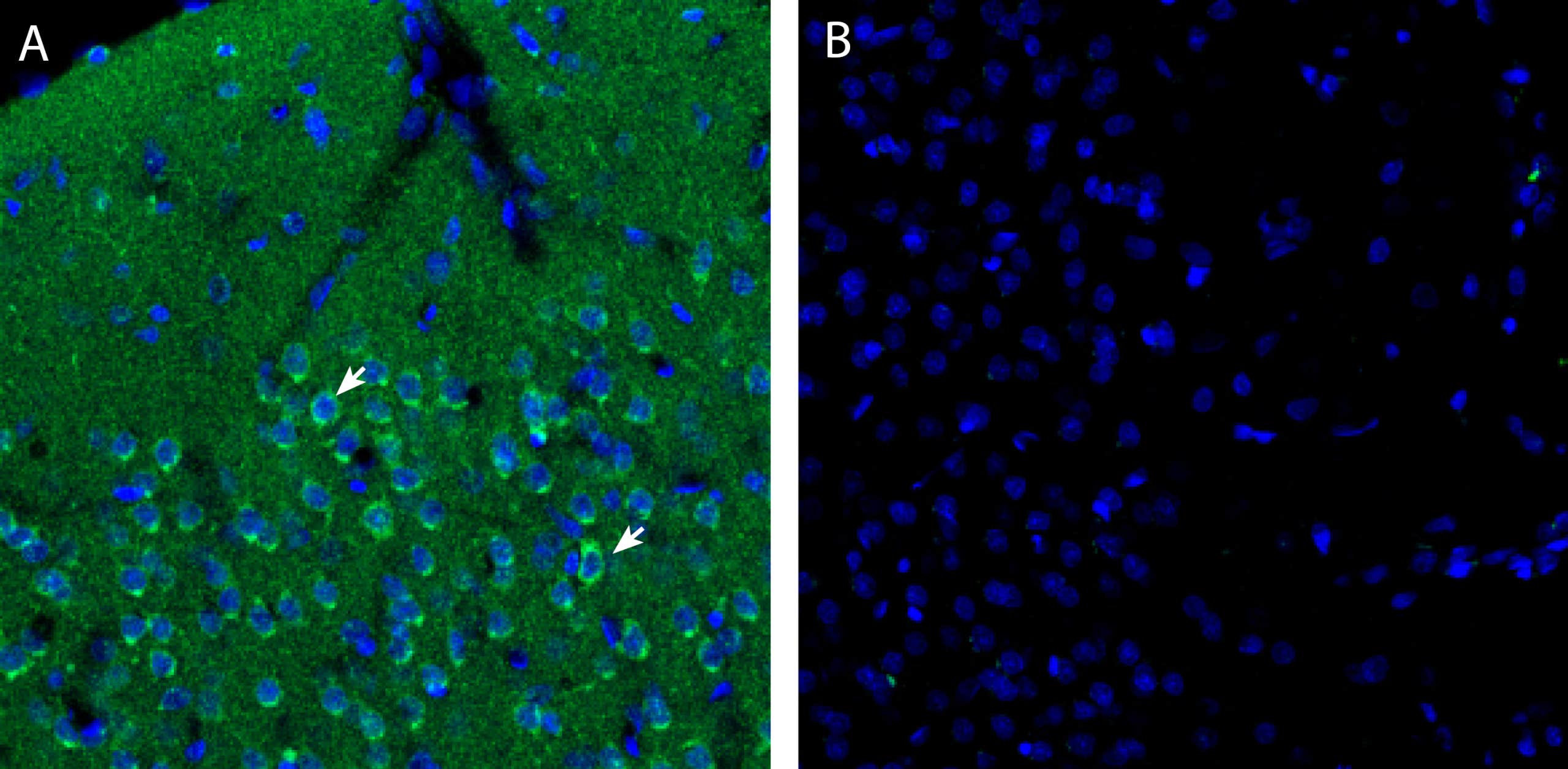 A Rabbit Ployclonal Antibody to Endothelin Receptor A
- Product Code: AER-004
- Short Description: A Rabbit Ployclonal Antibody to Endothelin Receptor A
- Host: Rabbit
- Label: Unconjugated
- Reactivity: Human, Rat, Mouse
- Applications: Indirect flow cytometry, Live cell imaging, Western blot
- Target: EDNRA, ET-A, ET-AR, ETRA, ET1-Specific type endothelin receptor, Endothelin-1 receptor, Endothelin Receptor Type A
-
 A Rabbit Polyclonal Antibody to Endothelin Receptor A
- Product Code: AER-001
- Short Description: A Rabbit Polyclonal Antibody to Endothelin Receptor A
- Host: Rabbit
- Label: Unconjugated
- Reactivity: Rat, Mouse
- Applications: Western blot, Immunocytochemistry, Immunofluorescence, Immunohistochemistry
- Target: EDNRA, ETA, ET-AR, ETRA, ET1-Specific type endothelin receptor, Endothelin-1 receptor
-
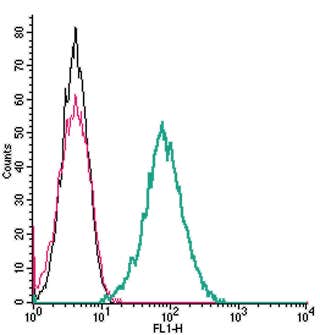 A Rabbit Polyclonal antibody to Endothelin Receptor B (extracellular)
- Product Code: AER-005
- Short Description: A Rabbit Polyclonal antibody to Endothelin Receptor B (extracellular)
- Host: Rabbit
- Label: Unconjugated
- Reactivity: Rat, Mouse
- Applications: Indirect flow cytometry, Live cell imaging, Western blot
- Target: EDNRB, ET-B, ETB, ETRB, Endothelin B receptor, ETBR
-
 A Rabbit Polyclonal Antibody to Endothelin Receptor B
- Product Code: AER-002
- Short Description: A Rabbit Polyclonal Antibody to Endothelin Receptor B
- Host: Rabbit
- Label: Unconjugated
- Reactivity: Human, Rat, Mouse
- Applications: Indirect flow cytometry, Western blot, Immunocytochemistry, Immunofluorescence, Immunohistochemistry
- Target: EDNRB, ET-B, ETB, ETRB, Endothelin B receptor, Endothelin receptor non-selective type
-
 A Rabbit Polyclonal antibody to ENPP1 (extracellular)
- Product Code: ANT-069
- Short Description: A Rabbit Polyclonal antibody to ENPP1 (extracellular)
- Host: Rabbit
- Label: Unconjugated
- Reactivity: Human, Rat, Mouse
- Applications: Indirect flow cytometry, Live cell imaging, Western blot, Immunohistochemistry
- Target: Ectonucleotide Pyrophosphatase/ Phosphodiesterase Family Member 1, Plasma-Cell Membrane Glycoprotein PC-1, CD203a, Membrane Component Chromosome 6 Surface Marker 1, M6S1
-
 A Rabbit Polyclonal Antibody to EphA1 Receptor
- Product Code: AER-011
- Short Description: A Rabbit Polyclonal Antibody to EphA1 Receptor
- Host: Rabbit
- Label: Unconjugated
- Reactivity: Human, Rat, Mouse
- Applications: Indirect flow cytometry, Live cell imaging, Western blot, Immunocytochemistry, Immunofluorescence, Immunohistochemistry
- Target: Ephrin type-A receptor 1, Eph receptor A1, EPH tyrosine kinase 1, Tyrosine-protein kinase receptor EPH, EPHT1
-
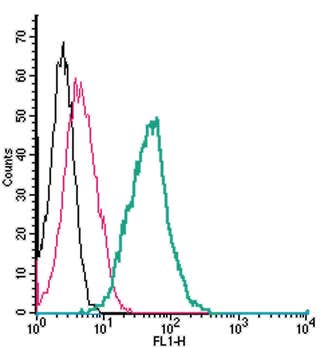 A Rabbit Polyclonal Antibody to EphA1 (extracellular) conjugated to the fluorescent dye FITC
- Product Code: AER-011-F
- Short Description: A Rabbit Polyclonal Antibody to EphA1 (extracellular) conjugated to the fluorescent dye FITC
- Host: Rabbit
- Label: FITC
- Reactivity: Human, Rat, Mouse
- Applications: Live cell imaging, Flow cytometry
- Target: Ephrin type-A receptor 1, Eph receptor A1, EPH tyrosine kinase 1, Tyrosine-protein kinase receptor EPH, EPHT1
Loading...