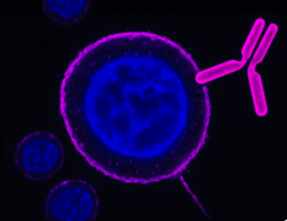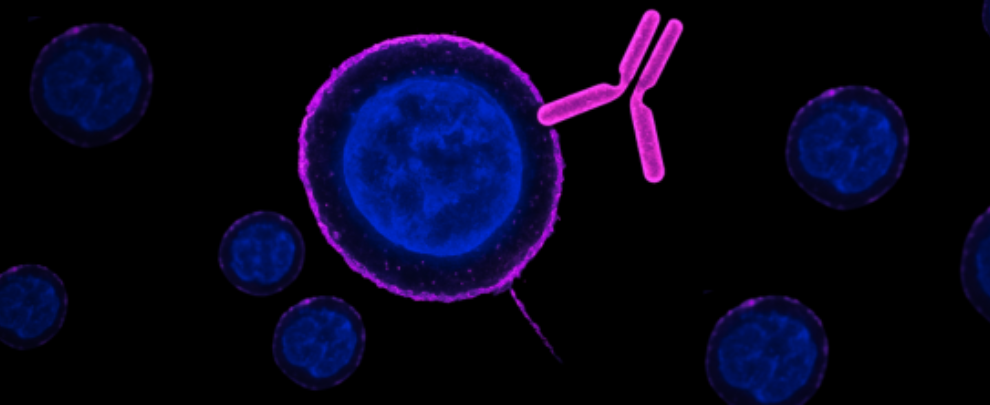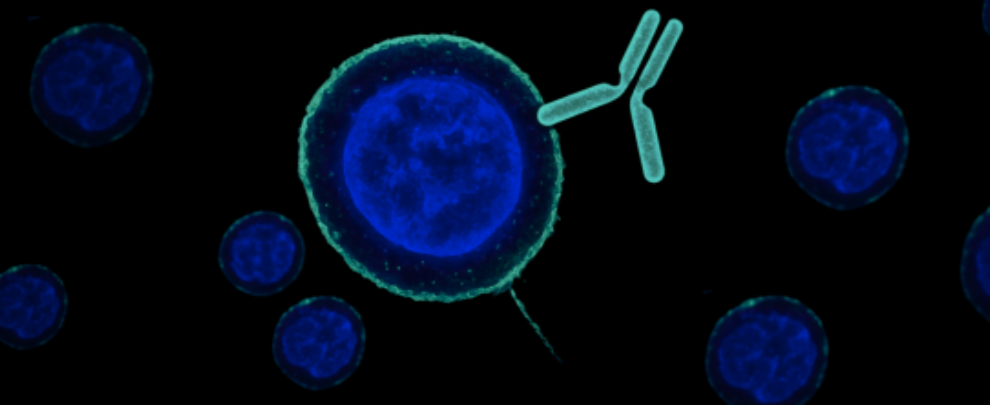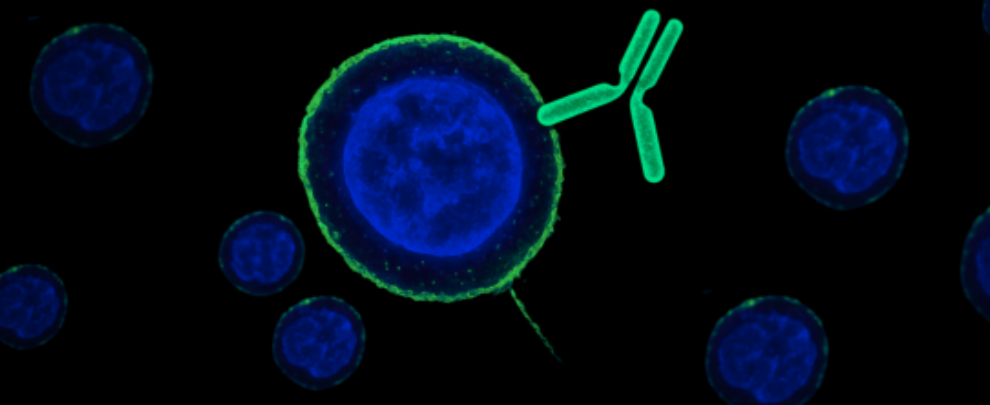
Non-lethal targeted cell delivery using gold nanoparticles
In Part 1 of this series, we looked at how cell surface-binding antibodies let you track receptor movements in real time – without fixing or permeabilizing your cells. But the real magic happens when you go beyond tracking. What if you could use those same antibodies to deliver something into live cells – without electroporation, without viruses, and without killing the target?
In this post, we focus on a different kind of experiment: targeted delivery. Specifically, how researchers use antibodies to anchor gold nanoparticles (AuNPs) to neurons for getting things into the cell. No viral vectors. No electroporation. No gene overexpression. Just some clever science and the right antibody.
Precision delivery with light – no vectors required
How to get molecules like therapeutic agents into specific retinal cells without using viral vectors or causing off-target damage is a long-standing problem. Viral delivery can be efficient but lacks precision and comes with the risk of immune responses and genomic disruption. It’s a powerful but invasive and unpredictable tool. Physical methods like electroporation or lipofection are often too blunt for delicate tissues and affect everything nearby.
But what if you could target a specific cell type, anchor a delivery vehicle to its surface, and then open a local pore only when and where you want to?
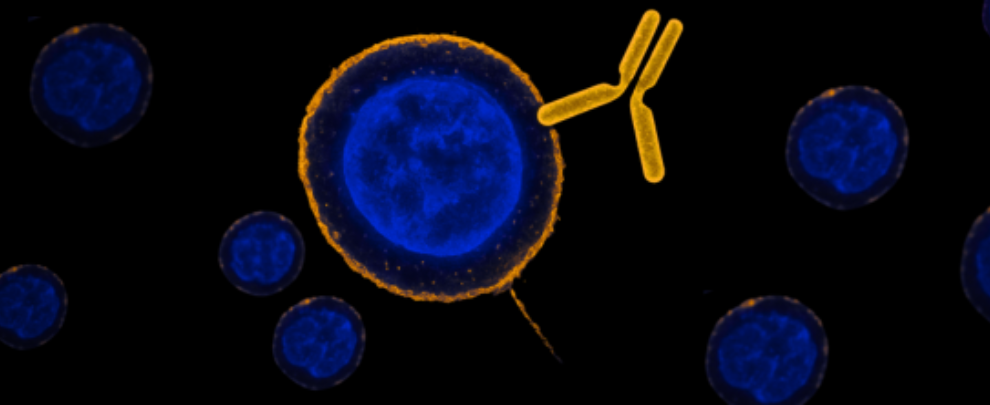
That’s exactly what happens in laser-mediated optoporation with antibody-bound AuNPs. The concept is simple:
- Use a cell surface-binding antibody to attach AuNPs to a protein on your target cell.
- Apply a femtosecond laser pulse. The gold converts light to heat, temporarily changes membrane capacitance, or creates a nano-bubble that opens a transient pore.
- Drop in your cargo – dye, siRNA, dextran, whatever fits.
- The pore closes. The cell survives. Your cargo is inside.
And crucially, the method doesn’t rely on functional receptor activity – the antibody just needs to recognize an extracellular epitope. That means you can deliver into live neurons based on surface identity alone.
Triggering Action Potentials with Surface-Bound Gold
In cultured dorsal root ganglion neurons, Carvalho-de-Souza and colleagues showed that gold nanoparticles tethered to surface proteins enable precise, repeatable stimulation (1). They attached AuNPs to three different types of ligands:
- Ts1 toxin (binds voltage-gated sodium channels)
- Anti-TRPV1 (VR1) (extracellular) Antibody (#ACC-029)
- Anti-P2X3 Receptor (extracellular) Antibody (#APR-026)
When they zapped these functionalized nanoparticles with a 1 ms pulse of 532 nm light, the cells fired action potentials – driven not by channel opening, but by heat-induced changes in membrane capacitance. It’s all mechanical. The nanoparticle heats the membrane just enough to change its electrical properties, pushing the cell to fire.
The key point here is cells only became light-sensitive if the nanoparticle was anchored to the surface by the antibody. Free-floating gold just washed out. But with an antibody, the link held for 20+ minutes even under continuous wash. That’s enough time for real work.
Getting siRNA into Live Retinal Neurons
Wilson et al. pushed the concept in vivo (2). They wanted to deliver siRNA into specific neurons inside the retina – a notoriously hard tissue to target selectively. So, they used our Anti-KV1.1 (KCNA1) (extracellular) Antibody (#APC-161) to anchor AuNPs to retinal ganglion cells. Then they focused a femtosecond 800 nm laser beam through the cornea.
That single pulse was enough to create a transient pore. The team loaded in FITC-dextran or Cy3-tagged siRNA – both large, membrane-impermeable molecules – and watched them enter the cell.
No toxicity. No collateral damage. Just targeted entry into a defined cell type. This technique could shift how we approach gene delivery in the retina. It offers a way to bypass viral vectors and safely deliver molecules to selected neurons in diseases like glaucoma. By choosing different antibodies, the platform might even be repurposed for other neural tissues or degenerative conditions.
Silencing Pain with Heat
Instead of using light to trigger activity or deliver molecules, what if you could shut neurons up entirely? That’s exactly what Roversi and colleagues did when they used antibody-bound gold nanoparticles and laser light to silence TRPV1-expressing nociceptor neurons – with no gene editing, no viral vectors, and no damage to surrounding cells (3).
TRPV1 is a heat-activated ion channel found in around 40% of nociceptors – the sensory neurons that detect painful stimuli. When triggered by heat (typically 42–45 °C), TRPV1 opens to let in sodium and calcium, which depolarizes the neuron and leads to pain signaling.
The team bound gold AuNPs to the cell-surface-binding Anti-TRPV1 (VR1) (extracellular) Antibody (#ACC-029), then used laser pulses to heat those AuNPs and open TRPV1 channels on demand. Once open, they co-administered a charged calcium channel blocker derivative, CNCB-2, which entered only those TRPV1-positive cells. The result? Calcium currents and neuropeptide release were blocked – without affecting nearby cells.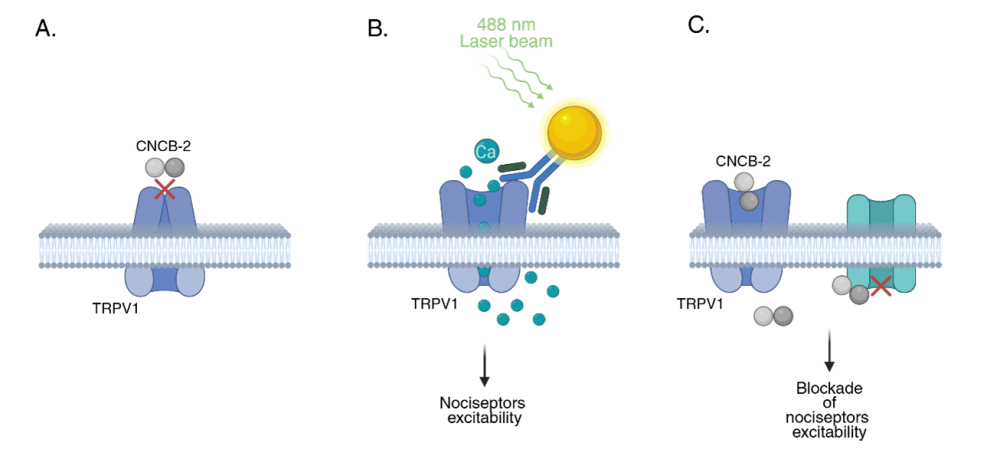
Figure 1. Targeted Silencing of Nociceptor Neurons Using Nanogold-Conjugated Antibodies and Photothermal Stimulation. Nanophotonics-based strategy for selective silencing of nociceptor neurons. A) In resting conditions, TRPV1 and other large-pore channels remain closed, preventing entry of the charged channel blocker CNCB-2. B) Upon targeted stimulation with a 488 nm laser, gold nanoparticle (AuNP)-conjugated anti-TRPV1 antibodies induce localized heating that opens the channel, allowing Ca²⁺ influx. C) Once open, TRPV1 permits selective uptake of CNCB-2, which then blocks neuronal excitability. This approach enables precise, light-guided modulation of pain-sensing (nociceptor) neurons with minimal off-target effects. Created in https://BioRender.com.
The effect was selective and fast. CNCB-2 silenced nociceptors that would otherwise respond to inflammatory cytokines like IL-23, IL-4, and IL-5 – the very molecules that drive chronic pain in conditions like psoriasis, atopic dermatitis, and asthma. They even showed that silencing these neurons prevented downstream CD8+ T cell polarization, suggesting this method could also modulate immune responses.
This is the first time anyone’s shown selective silencing of TRPV1+ neurons using this photothermal delivery method – and without needing to genetically modify the cells.
More than Just a Delivery Trick
This antibody–AuNP method gives you pinpoint control over what goes into which cell, when – without triggering cell death or relying on overexpression systems. Whether you’re stimulating activity, delivering siRNA, or silencing specific neuronal pathways, the key is always the same: an extracellular epitope you can target with a stable, live-cell-compatible antibody.
To pull it off, the choice of antibody is critical. It has to bind a true extracellular epitope, maintain its affinity in live conditions, and tolerate conjugation to gold nanoparticles without losing function. Alomone Labs antibodies – like our anti-TRPV1 and anti-KV1.1 – are already validated in this context. That makes them reliable handles for surface anchoring, whether you’re delivering siRNA, triggering stimulation, or just testing the method for your own system.
Up Next in the Series
In Part 3 we’ll have a look at tracking NMDA receptor subtypes with quantum dots to show just how cell surface-binding antibodies helped researchers visualize GluN2A vs GluN2B in real time.
Missed the Other Parts? Catch Up Here
- Part 1: Target the surface, stay out of the cell
• How cell surface-binding antibodies reveal real-time ion channel trafficking